
Lemon balm is the herb you plant once and spend the rest of your life trying to contain. It spreads aggressively, self-seeds enthusiastically, and shows up in places you definitely didn’t plant it. It’s also delicious, calming, and has been used for over 2,000 years as a nervine, digestive aid, and general “things are too much right now” remedy.
If you want an easy-to-grow herb that smells like lemon candy and actually does something useful, lemon balm is your plant. Let’s talk about how to use it.
WHAT IS LEMON BALM?
Botanical Name: Melissa officinalis
Family: Lamiaceae (mint family)
Also Known As: Melissa, Bee Balm (though true Bee Balm is Monarda), Sweet Balm, Common Balm
Lemon balm is a perennial herb in the mint family, native to southern Europe and the Mediterranean but now naturalized worldwide. It’s been cultivated in gardens and monasteries for millennia, prized for its lemony scent, medicinal properties, and ability to attract bees (hence “Melissa,” from the Greek word for honeybee).
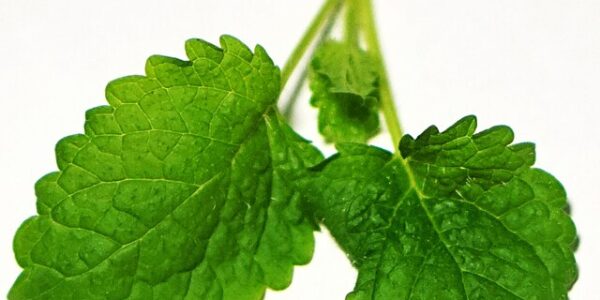
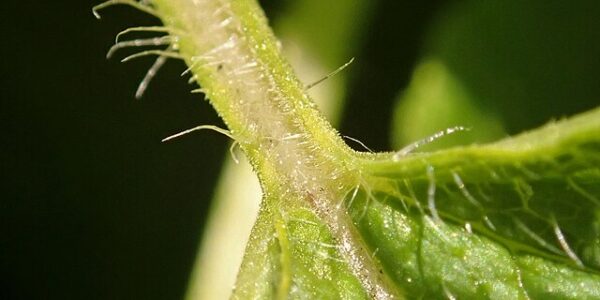
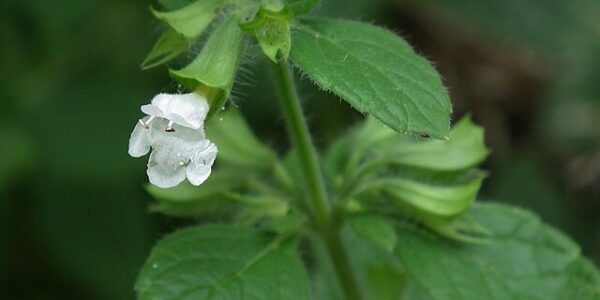
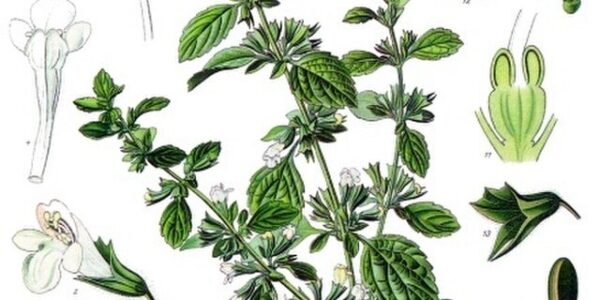
What It Looks Like:
- Opposite leaves (typical of mint family)
- Ovate, toothed leaf margins
- Bright green, slightly wrinkled texture
- Square stems (mint family trait)
- Small white or pale yellow flowers
- Strong lemon scent when leaves are crushed
- Grows 1-2 feet tall
Growing Habits:
- Hardy perennial (zones 4-9)
- Spreads by rhizomes (underground runners)
- Self-seeds prolifically
- Prefers partial shade but tolerates full sun
- Not picky about soil
- Drought-tolerant once established
- Dies back in winter, regrows in spring
The Invasion Caveat:
Lemon balm will take over your garden if you let it. Plant it in containers or areas where you don’t mind it spreading. Consider it the friendly but overly enthusiastic neighbor of the herb garden.
TRADITIONAL USES AND HISTORY
Lemon balm has a long history in European herbalism, dating back at least to ancient Greece and Rome.
Historical Applications:
Medieval Monasteries:
- Monks grew lemon balm extensively
- Used in Carmelite Water (a medicinal cordial)
- Considered a longevity tonic
Ancient Greece and Rome:
- Dioscorides (1st century CE) recommended it for scorpion stings and wounds
- Pliny mentioned it for nervous disorders
- Used to lift spirits and ease melancholy
Arabic Medicine:
- Avicenna (11th century) wrote that lemon balm “maketh the heart merry”
- Used for cardiovascular complaints
European Folk Medicine:
- “Elixir of life” in various longevity tonics
- Used for “nervous complaints” and anxiety
- Applied topically for cold sores (herpes simplex)
- Given to calm fussy children
Paracelsus (16th century) called it “the elixir of life” and believed it could completely revitalize the body.
The name Melissa comes from Greek mythology – Melissa was a nymph who discovered honey and taught humans beekeeping. Fitting, since lemon balm is beloved by bees.
WHAT LEMON BALM DOES (Historically and Traditionally)
I’m not a doctor. This is not medical advice. I’m sharing what historical texts say and what traditional herbalism has used lemon balm for. Always consult qualified healthcare providers for medical issues.
Traditional Applications:
Nervine (Calming):
- Historically used for anxiety, restlessness, and nervous tension
- Traditional “chill out” herb
- Used for stress-related headaches
- Taken before bed for sleep support (mild sedative effect)
Digestive Aid:
- Carminative (reduces gas and bloating)
- Antispasmodic (eases cramping)
- Used for nervous stomach and digestive upset linked to stress
- Traditional remedy for nausea
Mood Support:
- Folk remedy for low mood and melancholy
- “Maketh the heart merry” as medieval texts put it
- Used in traditional herbalism as a mild mood elevator
Antiviral (Topical):
- Applied topically to cold sores (herpes simplex lesions)
- Some modern research supports this traditional use
- Often found in commercial cold sore preparations
Cognitive Support:
- Traditionally used for mental clarity and focus
- Some modern studies suggest mild cognitive benefits
- Used historically for memory support
Cardiovascular:
- Historical use for heart palpitations (especially stress-related)
- Traditional remedy for mild hypertension
- Calming effect may help stress-related cardiovascular symptoms
Key Constituents:
- Volatile oils (citral, citronellal – give the lemon scent)
- Rosmarinic acid (antioxidant, anti-inflammatory)
- Flavonoids
- Tannins
- Triterpenoids
The Science:
Modern research on lemon balm is limited but suggests:
- Mild anxiolytic (anti-anxiety) effects
- GABA activity (calming neurotransmitter)
- Topical antiviral properties against herpes simplex
- Possible cognitive benefits (mild)
- Digestive soothing effects
Results are modest – lemon balm is gentle, not powerful.
HARVESTING LEMON BALM
When to Harvest:
- Before flowering for best flavor and potency
- Early morning after dew dries
- Cut stems about 6 inches from ground
- Leaves are most potent in late spring/early summer
- You can harvest multiple times per season
How to Harvest:
- Cut stems with clean scissors or shears
- Take no more than 1/3 of the plant at once (allows regrowth)
- Or cut the entire plant back to 2-3 inches (it will regrow vigorously)
Post-Harvest:
- Use fresh or dry for later use
- Fresh is more aromatic
- Dried is more concentrated but loses some volatile oils
Drying:
- Hang stems in bundles in a warm, dry, dark place
- Or lay on screens with good air circulation
- Avoid direct sunlight (degrades oils)
- Dry until leaves crumble easily
- Store in airtight containers away from light
LEMON BALM TEA (Infusion)
Tea is the simplest and most pleasant way to use lemon balm. It tastes like lemon candy, makes your kitchen smell amazing, and is traditionally used for calming nerves and settling digestion.
BASIC LEMON BALM TEA:
Ingredients:
- 1-2 tablespoons fresh lemon balm leaves (or 1-2 teaspoons dried)
- 1 cup hot (not boiling) water
Method:
- Place lemon balm in a cup or teapot
- Hot water (185°F–190°F) over leaves
- Cover immediately (this is important – volatile oils escape with steam)
- Steep 10-15 minutes (covered)
- Strain and drink
Why Cover It:
Lemon balm’s beneficial compounds are volatile oils – they literally evaporate with the steam. Covering traps these oils in the tea instead of losing them to the air.
Another Option: Use water at 110°F–140°F: You get a very “bright,” fresh-tasting tea that smells like a lemon peel, but you miss out on the deeper sedating compounds.
Dosage (Traditional):
- 1-3 cups per day
- Before bed for sleep support
- As needed for stress or digestive upset
Taste:
Lemony, pleasant, slightly sweet, mild. Not medicinal-tasting. Kids usually like it.
ICED LEMON BALM TEA:
Perfect for summer:
- Make a strong infusion (double the herbs)
- Steep 15-20 minutes, covered
- Strain and pour over ice
- Add honey or a squeeze of lemon if desired
LEMON BALM TEA BLENDS:
Lemon balm plays well with other herbs:
“Chill Out” Blend:
- 2 parts lemon balm
- 1 part chamomile
- 1 part passionflower (if you have it)
- Use for anxiety and stress
“Tummy Tamer” Blend:
- Equal parts lemon balm and peppermint
- Use for gas, bloating, nausea
“Bedtime” Blend:
- 2 parts lemon balm
- 1 part chamomile
- Optional: lavender (just a pinch)
“Focus” Blend:
- Equal parts lemon balm and rosemary
- Traditional combination for mental clarity
LEMON BALM TONIC (Honey Infusion)
A tonic is a sweetened, concentrated herbal preparation – basically a medicinal syrup. This is a traditional way to preserve herbs and make them more palatable.
LEMON BALM HONEY:
Ingredients:
- Fresh lemon balm leaves (enough to fill your jar)
- Raw honey (enough to cover)
Method:
- Coarsely chop fresh lemon balm
- Pack into a clean jar (fill about 3/4 full)
- Pour honey over herbs, filling jar completely
- Use a chopstick to release air bubbles
- Cover tightly
- Let sit for 2-4 weeks, turning jar daily
- Strain through cheesecloth, squeezing out all honey
- Store in jar
Use:
- 1 teaspoon as needed for stress or upset stomach
- Stir into tea
- Spread on toast
- Take straight off the spoon
- Add to warm water for instant soothing drink
Shelf Life: 1 year or more if stored properly (honey is a preservative)
LEMON BALM GLYCERITE (Alcohol-Free Tonic):
For those avoiding alcohol (children, personal preference):
Ingredients:
- Fresh or dried lemon balm
- Vegetable glycerin
- Distilled water
Ratio:
- Fresh herb: 1 part herb, 3 parts liquid (2 parts glycerin, 1 part water)
- Dried herb: 1 part herb, 4 parts liquid (3 parts glycerin, 1 part water)
Method:
- Place herbs in jar
- Mix glycerin and water
- Pour over herbs, covering completely
- Seal jar tightly
- Shake daily
- Steep 4-6 weeks
- Strain through cheesecloth
- Bottle and label
Dosage (Traditional):
- Adults: 1/2 to 1 teaspoon, 2-3 times daily
- Children: Consult an herbalist or healthcare provider
Taste: Sweet, lemony, pleasant
OXYMEL (Vinegar-Honey Tonic):
An ancient preparation combining vinegar and honey:
Ingredients:
- Fresh lemon balm
- Apple cider vinegar
- Raw honey
Ratio: Equal parts vinegar and honey after straining
Method:
- Fill jar 1/2 to 3/4 full with fresh lemon balm
- Cover completely with apple cider vinegar
- Seal and steep 2-4 weeks, shaking daily
- Strain out herbs
- Add equal amount of honey to the strained vinegar
- Stir until honey dissolves
- Bottle and label
Use:
- 1 tablespoon in water or tea
- Digestive tonic
- Immune support (traditional use)
- Refreshing summer drink diluted in cold water
LEMON BALM TINCTURE (Alcohol Extract)
Tinctures are concentrated alcohol extractions – the most potent and longest-lasting herbal preparation.
FRESH HERB TINCTURE:
Ingredients:
- Fresh lemon balm leaves (packed into jar)
- 80-100 proof alcohol (vodka or Everclear)
Ratio: 1:2 (1 part herb by weight, 2 parts alcohol by volume)
Method:
- Coarsely chop fresh lemon balm
- Pack into clean jar (don’t pack too tight – leave some air space)
- Pour alcohol over herbs, covering completely
- Add extra alcohol so herbs are covered by at least 1 inch
- Seal jar tightly
- Label with herb name, alcohol used, and date
- Store in cool, dark place
- Shake daily for first week, then weekly
- Steep minimum 4-6 weeks (longer is fine)
- Strain through cheesecloth, squeezing out all liquid
- Bottle in amber glass bottles
- Label with herb, date, and alcohol percentage
DRIED HERB TINCTURE:
Ingredients:
- Dried lemon balm
- 40-60 proof alcohol (vodka works)
Ratio: 1:5 (1 part herb by weight, 5 parts alcohol by volume)
Method: Same as fresh, but use less herb or more alcohol
Why Different Ratios:
- Fresh herbs contain water (dilutes alcohol), so you need stronger alcohol and less liquid overall
- Dried herbs are concentrated, so you need more liquid to extract
Dosage (Traditional):
- Adults: 30-60 drops (roughly 1/2 to 1 teaspoon), 2-3 times daily
- Can be taken straight, in water, or in tea
- For acute stress: 30 drops as needed
Shelf Life: 5+ years if stored properly in dark bottles away from heat and light
DOUBLE EXTRACTION (Advanced):
For maximum potency:
- First extraction: alcohol tincture (as above)
- Second extraction: water infusion of the spent herbs
- Combine both extracts
This captures both alcohol-soluble and water-soluble compounds.
TOPICAL APPLICATIONS
COLD SORE SALVE:
Traditional use for herpes simplex lesions:
Ingredients:
- Strong lemon balm infusion (tea) OR lemon balm tincture
- Coconut oil or beeswax base
Method:
- Make strong tea (3 tablespoons herb per cup water)
- Steep 30 minutes
- Strain
- Simmer strained liquid to reduce by half
- Melt coconut oil or beeswax
- Mix reduced tea into oil (1:4 ratio)
- Pour into tins before it hardens
Use: Apply to cold sores several times daily at first sign
SIMPLE TOPICAL:
- Apply strong, cooled tea directly to cold sores with cotton ball
- Or dab tincture on lesion (dilute if it stings)
COMPRESS:
- Soak cloth in strong lemon balm tea
- Apply to areas of tension, minor wounds, or skin irritation
CULINARY USES
Lemon balm isn’t just medicinal – it’s also edible and delicious:
In Cooking:
- Add fresh leaves to salads
- Use in place of lemon in recipes
- Chop into fruit salads
- Garnish desserts
- Flavor water, lemonade, or iced tea
- Infuse into simple syrup
- Add to pesto (mix with basil)
Desserts:
- Ice cream infusions
- Lemon balm shortbread
- Sorbet or granita
- Pound cake
Drinks:
- Mojitos (substitute for mint)
- Lemon balm lemonade
- Infused water
- Cocktails and mocktails
SAFETY AND CONTRAINDICATIONS
Lemon balm is generally very safe, but a few notes:
Generally Recognized as Safe (GRAS):
Lemon balm is on the FDA’s GRAS list for culinary use.
Cautions:
Thyroid Conditions:
- Some sources suggest lemon balm may interfere with thyroid medication or function
- If you have thyroid issues, consult your doctor before using medicinally
Surgery:
- May enhance sedation
- Stop using 2 weeks before surgery
Sedative Medications:
- May enhance effects of sedative drugs
- Consult your doctor if taking anxiety or sleep medications
Pregnancy/Nursing:
- Culinary amounts are fine
- Large medicinal amounts: consult your healthcare provider
Generally Safe For:
- Children (in appropriate doses)
- Elderly
- Long-term use
Side Effects:
Rare, but possible:
- Nausea (usually from too much)
- Headache
- Dizziness
DOSAGE GUIDELINES (Traditional Herbalism)
These are traditional doses – not medical recommendations:
Tea:
- 1-3 cups daily
- 1-2 tablespoons fresh or 1-2 teaspoons dried per cup
Tincture:
- 30-60 drops, 2-3 times daily
- Acute stress: 30 drops as needed
Glycerite:
- 1/2 to 1 teaspoon, 2-3 times daily
Honey Infusion:
- 1 teaspoon as needed
Duration:
- Short-term: As needed for stress or upset stomach
- Long-term: Safe for ongoing use (many herbalists use daily)
GROWING YOUR OWN
If you want a constant lemon balm supply:
Starting:
- Buy plants (easier than seed)
- Or grow from seed (slow germination)
- Plant in spring or fall
Location:
- Partial shade to full sun
- Well-drained soil
- Consider containers (controls spread)
Care:
- Water regularly until established
- Very little maintenance needed
- Cut back after flowering
- Divide clumps every few years
Harvesting:
- Cut frequently to keep bushy
- Cutting encourages new growth
- Harvest before flowering for best flavor
Containment:
- Plant in pots (buried pots work too)
- Or dedicated herb bed where spreading is okay
- Remove flower heads before seeds form
Winter:
- Dies back in cold climates
- Mulch lightly
- Returns in spring
FINAL THOUGHTS
Lemon balm is one of those herbs that’s easy to overlook because it’s so common and so enthusiastic about spreading. But it’s genuinely useful – calming without being sedating, helpful for digestion, pleasant-tasting, and historically valued for good reason.
It’s not a pharmaceutical. It’s not going to cure clinical anxiety or serious digestive disorders. But for everyday stress, mild stomach upset, or just wanting a pleasant cup of tea that might take the edge off a rough day? Lemon balm delivers.
The best part: it’s almost impossible to kill, grows with minimal care, and produces abundantly. Plant it once, and you’ll have it forever (whether you want to or not).
Make tea. Make tincture. Make honey. Use it fresh in summer and dried in winter. Your garden will thank you by producing more than you could possibly use, and your nervous system will thank you for the gentle support.
Just… plant it somewhere you don’t mind it taking over.
For other herbal preparations, see the Herbal Remedies category. For plant identification, see the Flora Archive.