
The Native Nervine
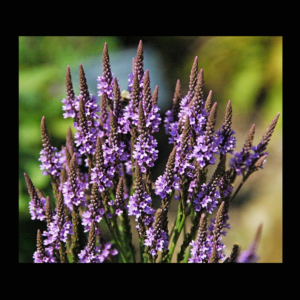
Blue Vervain is one of those plants that looks unassuming until you realize how useful it is. Tall spikes of tiny purple-blue flowers, common in wet meadows and ditches, easily overlooked. But herbalists have valued it for centuries as a nervine (calms the nervous system), bitter tonic, and all-around “fix what’s out of balance” herb.
It’s native to North America, grows readily, and has a long history of use by Indigenous peoples and early American settlers. It’s also sometimes confused with invasive Purple Loosestrife, which is a problem because one is medicinal and native, the other is invasive and destructive.
Let’s talk about identification, traditional uses, and how not to confuse it with the plant that’s wrecking wetlands.
WHAT IS BLUE VERVAIN?
Botanical Name: Verbena hastata
Common Names: Blue Vervain, American Vervain, Simpler’s Joy, Wild Hyssop
Family: Verbenaceae (Verbena family)
Blue Vervain is a native perennial found throughout eastern North America. It’s been used medicinally for thousands of years – by Indigenous tribes, colonial settlers, and modern herbalists alike.
What It Looks Like:
- 2-5 feet tall
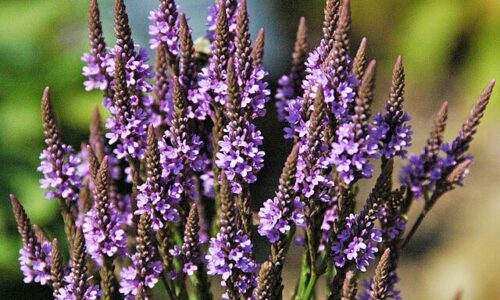
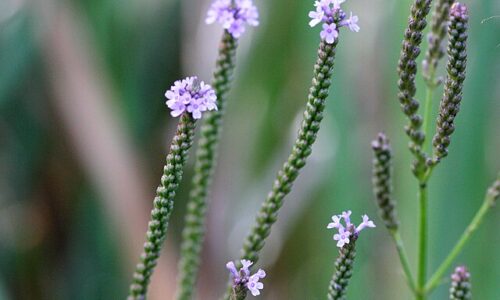
- Multiple thin flower spikes branching from top of plant (candelabra-like)
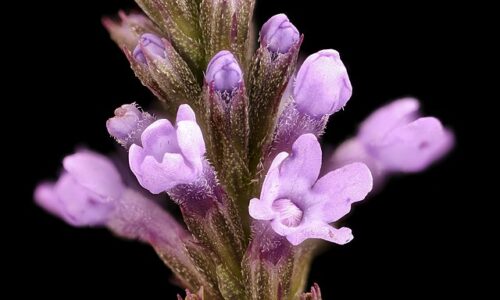
- Small tubular flowers, purple-blue to violet
- Flowers open progressively from bottom to top of spike
- Square stems (typical of Verbena family)
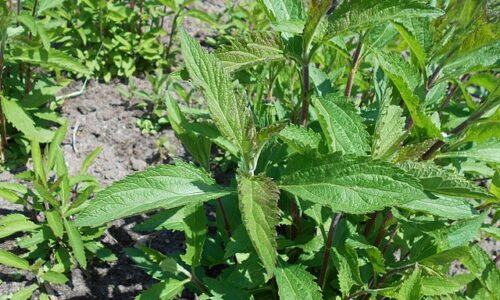
- Toothed, lance-shaped leaves
The Signature Feature:
Multiple thin flower spikes branching upward like a candelabra. This is the easiest way to distinguish it from Purple Loosestrife (which has thick, single spikes).
IDENTIFICATION
THE FLOWERS:
- Small, tubular, 5-petaled
- Purple-blue to violet (occasionally pink)
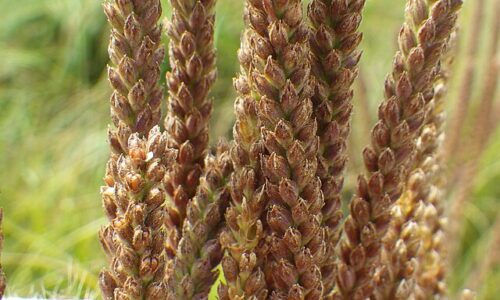
- Arranged in thin spikes 2-6 inches long
- Multiple spikes per plant (usually 5-15)
- Flowers open from bottom of spike upward
- Bloom June through September
THE STEMS:
- Square or 4-angled (feel it – you can feel the edges)
- Upright, branching near top
- Often slightly hairy
- Green to slightly reddish
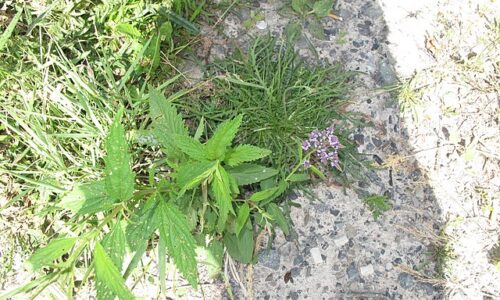
THE LEAVES:
- Opposite arrangement (pairs across from each other)
- Lance-shaped with pointed tips
- TOOTHED margins (serrated edges)
- WITH LEAF STALKS (petioles) – they don’t attach directly to stem
- 2-6 inches long
- Slightly hairy
THE ROOT:
- Fibrous root system
- Not a bulb or thick rhizome
THE HABITAT:
- Wet meadows, marshes, ditches
- Stream banks, pond edges
- Prefers moist to wet soil
- Full sun to partial shade
- Often growing in colonies
BLUE VERVAIN VS. PURPLE LOOSESTRIFE
This is the critical distinction. One is native and medicinal, the other is invasive and ecologically destructive.
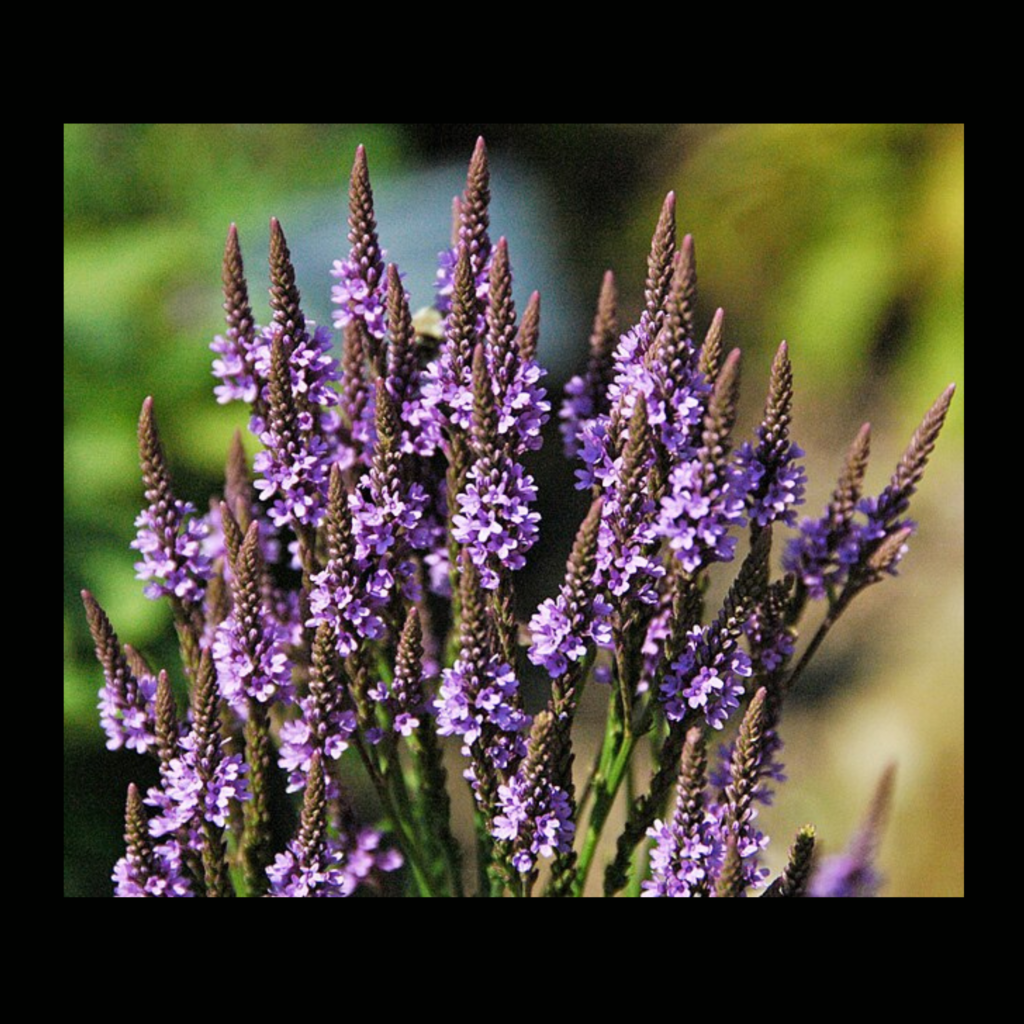
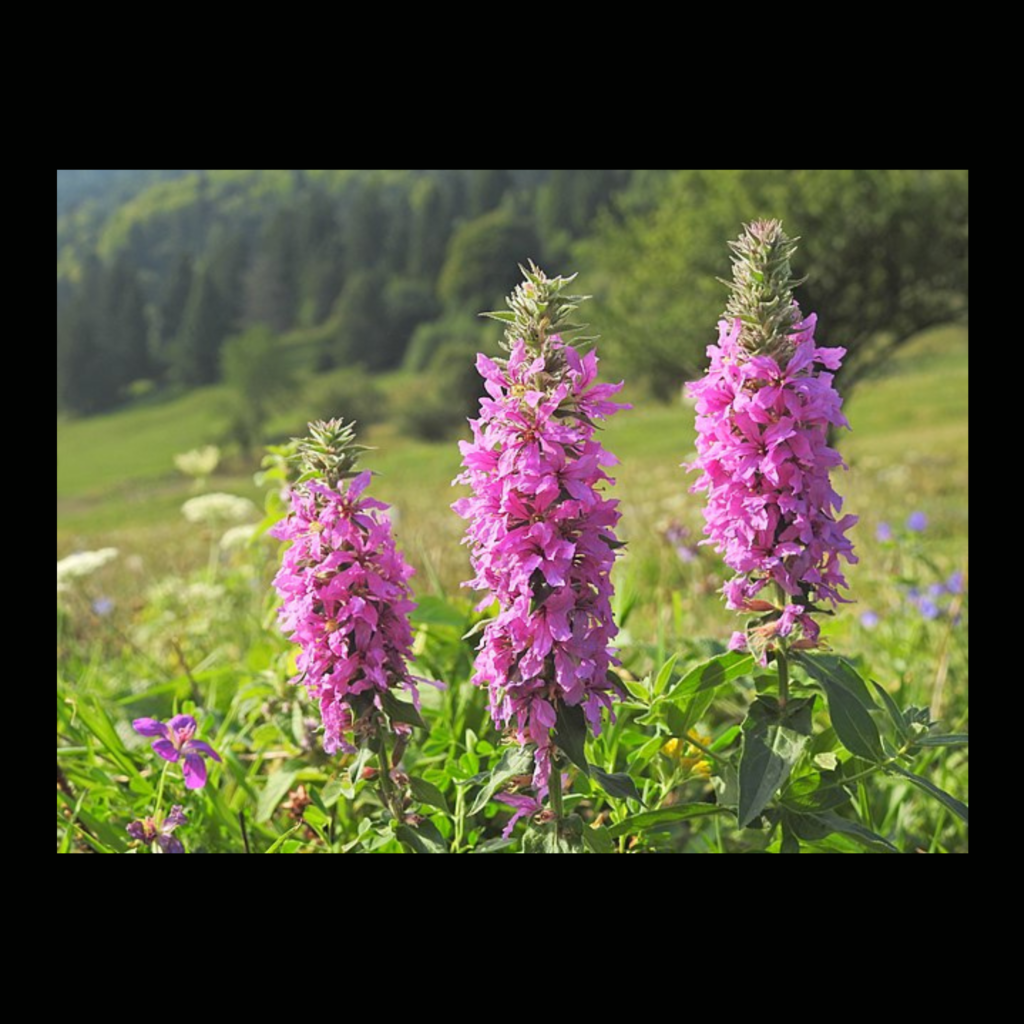
| Feature | BLUE VERVAIN | PURPLE LOOSESTRIFE |
|---|---|---|
| Flower spikes | Multiple THIN spikes (candelabra) | Single or few THICK spikes |
| Flowers | Small, tubular, purple-blue | Larger, wrinkled petals, magenta |
| Height | 2-5 feet | 3-7+ feet (much taller) |
| Leaves | WITH leaf stalks, toothed | NO leaf stalks (sessile), smooth |
| Stem | Square | Square to hexagonal |
| Native status | Native to North America | INVASIVE |
| Blooms | Open bottom-up progressively | Open along entire spike |
The Quick Test:
- Multiple thin spikes = Blue Vervain (good)
- Single thick spike = Purple Loosestrife (invasive, report it)
See full comparison: Deadly Doubles: The Purple Spike Trap
WHERE TO FIND BLUE VERVAIN
Habitat:
- Wet meadows and prairies
- Marshes and swamps
- Along streams, ponds, ditches
- Roadside ditches (if wet)
- Disturbed wet areas
Season:
- Blooms mid-summer through fall (June-September)
- Best harvested during flowering
- Perennial – returns each year
Distribution:
- Native to eastern North America
- Found from Canada to Florida, west to Great Plains
- Most abundant in moist temperate regions
Growing Conditions:
- Moist to wet soil
- Full sun to partial shade
- Tolerates seasonal flooding
- Often grows in colonies
TRADITIONAL USES
I’m not a doctor. This is historical and traditional information, not medical advice.
Blue Vervain has an extensive history of medicinal use across multiple cultures:
Indigenous Uses:
- Cherokee used it for stomach issues and fever
- Iroquois used it for coughs and colds
- Various tribes used it as a general tonic and ceremonial herb
- Applied topically to wounds
Early American Settlers:
- Called “Simpler’s Joy” by early herbalists (a “simple” was a single-herb remedy)
- Used for fever, especially intermittent fevers
- Nervous system support
- Digestive bitter
Traditional Herbal Medicine:
Blue Vervain is classified as:
- Nervine – supports and calms the nervous system
- Bitter tonic – stimulates digestion
- Diaphoretic – promotes sweating (used for fevers)
- Antispasmodic – relieves muscle tension and spasms
- Mild sedative – calming without being strongly sedating
Historical Applications:
Nervous System Support:
- Traditionally used for anxiety, nervous tension, stress
- “Overthinking” and mental exhaustion
- Nervous headaches
- Insomnia from mental overactivity
- The herb for people who can’t turn their brain off
Digestive System:
- Bitter tonic – stimulates digestion and appetite
- Used for sluggish digestion
- Liver and gallbladder support (traditional use)
- Intestinal cramping
Fever:
- Traditional fever remedy (especially intermittent fevers)
- Promotes sweating to “break” fevers
- Often combined with other herbs like boneset or yarrow
Pain and Tension:
- Muscle tension and spasms
- Tension headaches
- Menstrual cramps
- General pain relief (mild)
Respiratory:
- Coughs (especially dry, unproductive coughs)
- Chest congestion
- Asthma (traditional use)
Topical:
- Wound wash
- Skin inflammation
- Bruises and sprains
Active Constituents:
- Iridoid glycosides (verbenalin, hastatoside)
- Volatile oils
- Tannins
- Bitter compounds
The Taste:
Extremely bitter. This is not a pleasant-tasting herb. The bitterness is part of its digestive action, but it makes it challenging to take.
PREPARATION METHODS
TEA/INFUSION:
Ingredients:
- 1-2 teaspoons dried Blue Vervain
- 1 cup boiling water
Method:
- Place herb in cup
- Pour boiling water over
- Cover (traps volatile oils)
- Steep 10-15 minutes
- Strain
Taste warning: Very bitter. Honey helps, but it’s still bitter.
Traditional dose: 1-3 cups daily
COLD INFUSION (for nervine properties):
Some herbalists prefer cold infusion for nervous system support:
Method:
- Place 1-2 teaspoons dried herb in jar
- Cover with room temperature water
- Let sit overnight (8-12 hours)
- Strain in morning
Theory: Cold water extracts the nervine compounds without extracting as much bitterness.
TINCTURE:
Ingredients:
- Fresh or dried Blue Vervain (flowering tops and leaves)
- 40-60% alcohol (vodka works)
Fresh herb ratio: 1:2 (1 part herb by weight, 2 parts liquid by volume)
Dried herb ratio: 1:5 (1 part herb, 5 parts liquid)
Method:
- Fill jar with herb (loosely packed for fresh, less full for dried)
- Cover completely with alcohol
- Seal jar
- Label with herb, date, alcohol %
- Store in cool, dark place
- Shake daily for first week
- Steep 4-6 weeks minimum
- Strain through cheesecloth
- Bottle in amber glass
- Label
Traditional dose: 30-60 drops (1-2 droppersful), 2-3 times daily
Shelf life: 5+ years if stored properly
VINEGAR INFUSION (Oxymel):
For those avoiding alcohol:
Ingredients:
- Fresh Blue Vervain
- Apple cider vinegar
- Honey
Method:
- Fill jar with fresh herb
- Cover with apple cider vinegar
- Steep 2-4 weeks, shaking daily
- Strain
- Mix strained vinegar with equal amount honey
- Bottle and label
Use: 1 tablespoon in water, 1-3 times daily
POULTICE (topical):
For wounds, bruises, inflammation:
Method:
- Crush fresh leaves or rehydrate dried leaves
- Apply directly to affected area
- Cover with cloth
- Leave on 20-30 minutes
- Repeat as needed
DOSAGE AND SAFETY
Generally considered safe when used appropriately.
Traditional Doses:
- Tea: 1-3 cups daily
- Tincture: 30-60 drops (1-2 ml), 2-3 times daily
- Duration: Can be used long-term, but periodic breaks recommended
Cautions:
Pregnancy:
- Avoid during pregnancy
- Traditionally used to promote menstruation
- May stimulate uterine contractions
Nursing:
- Limited information; consult healthcare provider
Low Blood Pressure:
- May lower blood pressure slightly
- Use cautiously if you have hypotension
Medication Interactions:
- May interact with blood pressure medications
- May interact with sedatives or anti-anxiety medications
- Consult doctor if taking medications
Side Effects (rare):
- Nausea (usually from too much)
- Contact dermatitis in sensitive individuals
- Headache
The Bitterness Factor:
Some people find Blue Vervain too bitter to tolerate. This is normal. You can:
- Mix with more palatable herbs (peppermint, lemon balm)
- Use tincture in juice or water
- Take in capsule form
- Accept that effective medicine doesn’t always taste good
HARVESTING BLUE VERVAIN
When to Harvest:
- During flowering (June-September)
- Mid-morning after dew dries
- Before flowers fully open is traditional
- Aerial parts (leaves and flowering tops)
How to Harvest:
- Cut stems about 6 inches from top
- Leave lower portion and roots to regrow
- Take no more than 1/3 of any patch
- Avoid roadside plants (pollution)
- Don’t harvest from contaminated water sources
Drying:
- Hang in bundles in warm, dry, dark place
- Or lay on screens with good air circulation
- Dry until stems snap cleanly
- Store in airtight containers away from light
Shelf Life:
- Properly dried and stored: 1-2 years
- Loses potency over time
GROWING BLUE VERVAIN
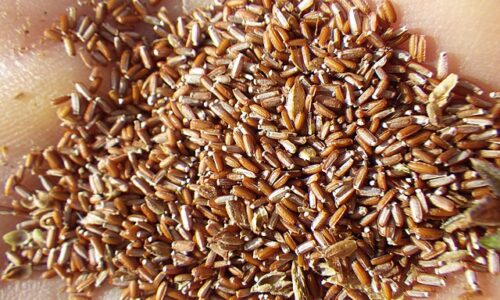
From Seed:
- Direct sow in fall or cold stratify in spring
- Seeds need light to germinate (don’t bury deep)
- Press lightly into soil surface
- Keep moist
- Germination can be slow and sporadic
From Plants:
- Easier than seed
- Plant in spring or fall
- Space 12-18 inches apart
Growing Conditions:
- Full sun to partial shade
- Moist to wet soil
- Can tolerate seasonal flooding
- Native plant – low maintenance once established
Care:
- Keep soil moist (especially first year)
- Mulch to retain moisture
- Cut back in fall or early spring
- Divide clumps every 3-4 years
Spreading:
- Self-seeds moderately
- Can spread but not aggressively invasive
- Easy to control
Why Grow It:
- Native plant – supports local ecosystems
- Attracts pollinators (bees, butterflies)
- Low maintenance
- Fresh herb for tea/tincture
- Beautiful in wet garden areas
THE VERVAIN CONFUSION
There are multiple plants called “Vervain”:
Blue Vervain (Verbena hastata) – This plant, native to North America
European Vervain (Verbena officinalis) – Different species, native to Europe, similar uses
Lemon Verbena (Aloysia citrodora) – Completely different plant, used for tea (lemony flavor)
They’re related but different plants with different properties. Make sure you’re working with the right one.
SPIRITUAL AND FOLKLORE USES
Blue Vervain has a history beyond medicine:
Sacred Herb:
- Considered sacred by some Indigenous tribes
- Used in purification ceremonies
- Protection herb in folk magic traditions
European Connection:
- European Vervain (V. officinalis) was considered sacred by Druids and Romans
- American Blue Vervain adopted some of these associations by early settlers
Modern Herbalism:
- Sometimes used in flower essence form for mental/emotional balance
- Associated with releasing mental tension and perfectionism
FINAL THOUGHTS
Blue Vervain is one of those quiet, unassuming plants that herbalists value highly but casual observers walk right past. It’s not showy. It’s not trendy. It tastes terrible. But it works.
For nervous tension, for the person who can’t turn their brain off at night, for digestive sluggishness, for fever – Blue Vervain has a long track record of traditional use. It’s native, sustainable to harvest or grow, and deserves to be better known.
Just make absolutely sure you’re harvesting Blue Vervain and not Purple Loosestrife. The multiple thin flower spikes are your giveaway. If you see a single thick magenta spike, that’s Loosestrife – leave it alone (or report the infestation).
Learn the plant. Taste the bitterness. Appreciate the calming effect. And remember: the best medicines don’t always taste good.
For toxic look-alike information, see Purple Loosestrife in the Poison Index. For comparison post, see Deadly Doubles: The Purple Spike Trap. For other native medicinal plants, see the Flora Archive.