
Queen Anne’s Lace – The Edible One With The Killer Look-Alike
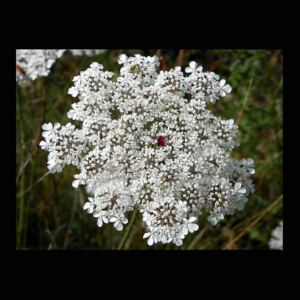
Wild Carrot is the ancestor of the carrot you buy at the grocery store. The root is edible. The seeds are medicinal. It’s a common roadside plant with beautiful white lace-like flowers.
But here’s the problem: it looks almost identical to Poison Hemlock, one of the most deadly plants in North America.
Same white umbrella-shaped flower clusters. Same ferny, lacy leaves. Same roadside habitat. Same bloom time. The difference between eating a Wild Carrot root and eating a Poison Hemlock root is the difference between a meal and a funeral.
This is why Wild Carrot is called the “forager’s test.” If you can confidently tell Wild Carrot from Poison Hemlock, you understand plant identification. If you can’t, stay the hell away from both of them.
The good news: there are clear, reliable differences – hairy stem vs. smooth stem, carrot smell vs. musty smell, purple center flower vs. all white flowers. Learn these, and you’ll never confuse them.
The bad news: if you get it wrong, you die.
Let’s talk about how to identify Wild Carrot, how to tell it apart from the plants that will kill you, and why it earned the name “Queen Anne’s Lace.”
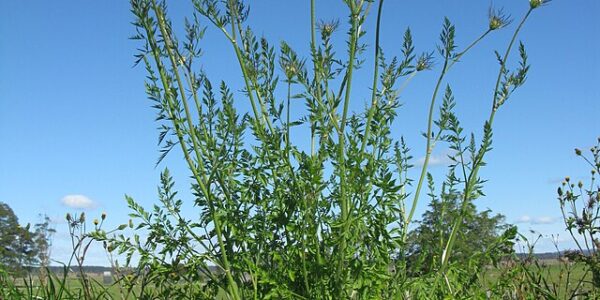
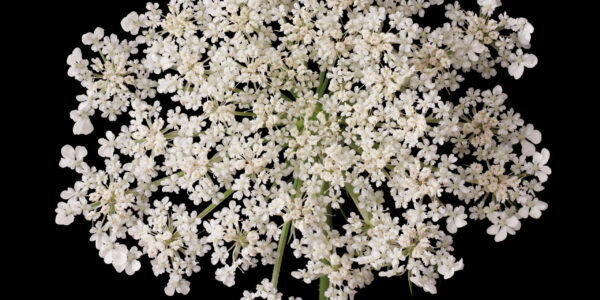
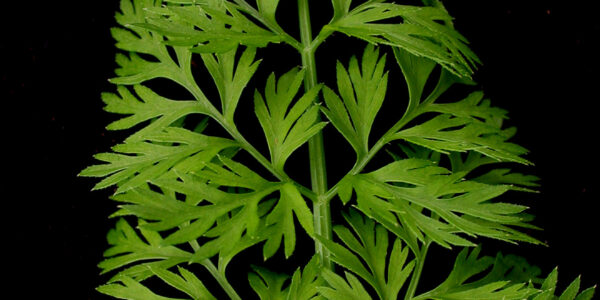
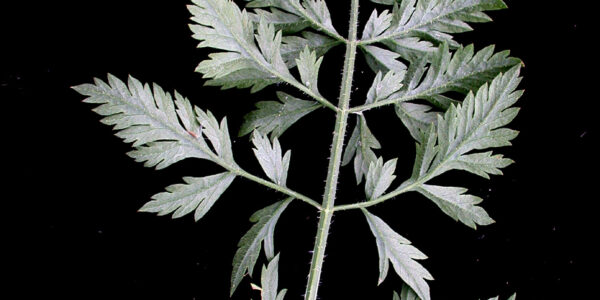
WHAT IS WILD CARROT?
Botanical Name: Daucus carota
Common Names: Wild Carrot, Queen Anne’s Lace, Bird’s Nest
Family: Apiaceae (Carrot/Parsley family)
Wild Carrot is a biennial herb native to Europe, North Africa, and western Asia. It was introduced to North America by European colonists and is now naturalized (and invasive) across most of the continent.
What It Looks Like:
- 1-4 feet tall
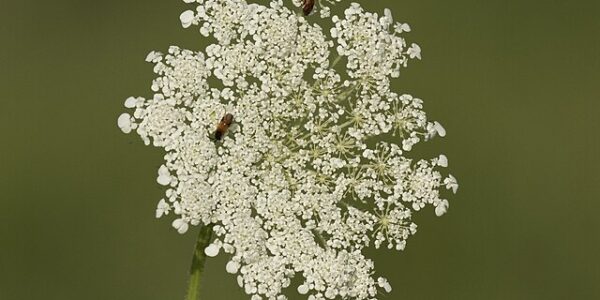
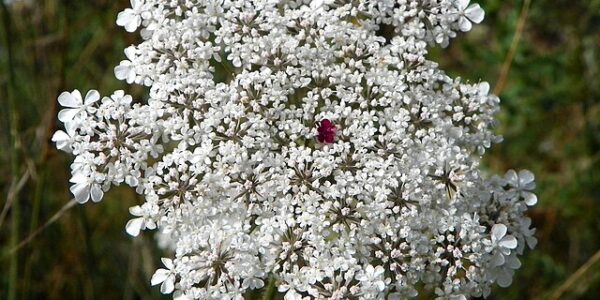
- White, flat-topped flower clusters (umbels) that look like lace
- Finely divided, ferny leaves
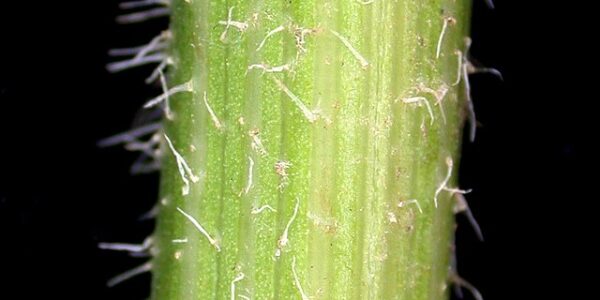
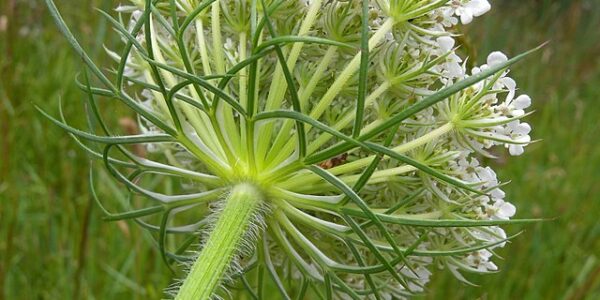
- Hairy stem (critical identification feature)
- Often has a single dark purple/red flower in the center of the umbel
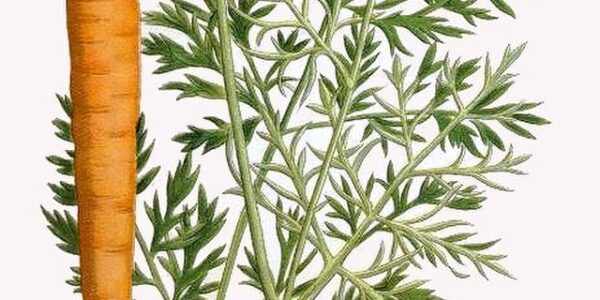
- Carrot-like taproot
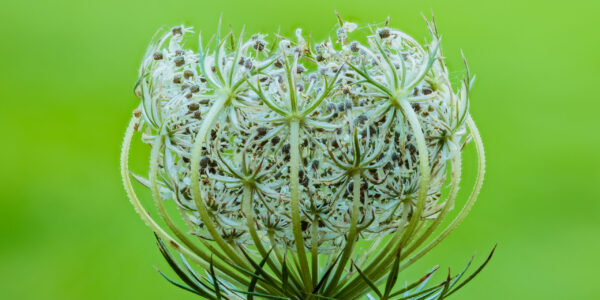
- “Bird’s nest” appearance when seeds mature (flower cluster curls inward)
The Signature:
White lace-like flower + hairy stem + carrot-scented root + often a purple center flower = Wild Carrot (Queen Anne’s Lace).
The Danger:
Looks almost identical to Poison Hemlock (deadly) and can be confused with Water Hemlock (even deadlier). You must be 100% certain before consuming anything from this plant.
IDENTIFICATION
THE FLOWERS:
- Shape: Compound umbels (flat-topped, lacy, umbrella-like)
- Color: White (occasionally pinkish)
- Size: 3-5 inches across
- Structure: Hundreds of tiny flowers arranged in umbrella pattern
- THE PURPLE CENTER: Often (but not always) has a single tiny dark red/purple flower in the very center – this is called the “Queen Anne’s blood drop”
- Bracts underneath: Three-pronged, feathery green bracts directly beneath the flower head (like fingers cradling the flower)
- Bloom time: June to September (summer into fall)
- Seed stage: Flower cluster curls inward to form a “bird’s nest” shape
THE LEAVES:
Warning: Very similar to Poison Hemlock leaves
- Type: Finely divided, fern-like, lacy
- Structure: 2-3 times pinnately compound (very finely divided)
- Appearance: Delicate, feathery
- Color: Medium to dark green
- Texture: Fine hairs on underside of leaf stalks (feel carefully)
- Size: Basal leaves can be 6-12 inches long
- Arrangement: Alternate along stem
- NOT distinctive enough – don’t rely on leaves alone for ID
THE STEM:
THIS IS THE MOST IMPORTANT IDENTIFICATION FEATURE
- Texture: HAIRY – covered in fine white hairs (THIS IS CRITICAL)
- Color: Solid green (NO purple splotches)
- Shape: Round, ridged
- Height: 1-4 feet
- Branching: Branches from main stem
- Solid: Not hollow (unlike some look-alikes)
THE HAIRY STEM TEST:
- Run your fingers up and down the stem
- You should feel distinct hairiness
- If the stem is smooth = NOT Wild Carrot (could be Poison Hemlock = DANGER)
Memory aid: “If it’s hairy, it’s not scary. If it’s smooth, it’s your doom.”
THE ROOT:
First-year plants only (before flowering stalk emerges):
- Type: Taproot (like a carrot)
- Color: White to pale yellow/orange
- Size: Smaller than cultivated carrot (finger-sized, sometimes larger)
- Shape: Tapered, carrot-like
- Texture: Firm
- SMELL: Must smell exactly like a carrot (sweet, earthy, carrot-y)
- Taste: Like a carrot (but tougher, less sweet than cultivated)
Second-year plants (flowering stalk):
- Root becomes woody, fibrous, inedible
THE SEEDS:
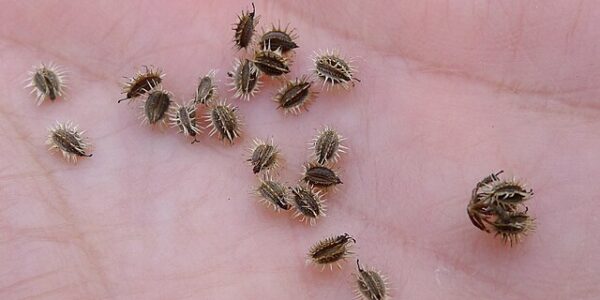
- Shape: Small, oval, ribbed
- Color: Brown when mature
- Texture: Covered in tiny hooked spines (help with dispersal)
- Arrangement: In umbels (where flowers were)
- Smell when crushed: Aromatic (carrot-like)
- “Bird’s nest”: Mature seed head curls inward
THE HABITAT:
- Roadsides (very common)
- Fields and meadows (disturbed areas)
- Waste ground
- Pastures (especially overgrazed)
- Lawns and yards (unfortunately common)
- Prefers: Full sun, well-drained soil
- NOT typically in: Wetlands (if you see it in wet areas, be extra cautious – could be Water Hemlock)
WILD CARROT VS. POISON HEMLOCK (LIFE OR DEATH)
This is the most critical information in this post.
Poison Hemlock (Conium maculatum) is one of the most poisonous plants in North America. It killed Socrates. It will kill you. There is no antidote. Do NOT confuse it with Wild Carrot.
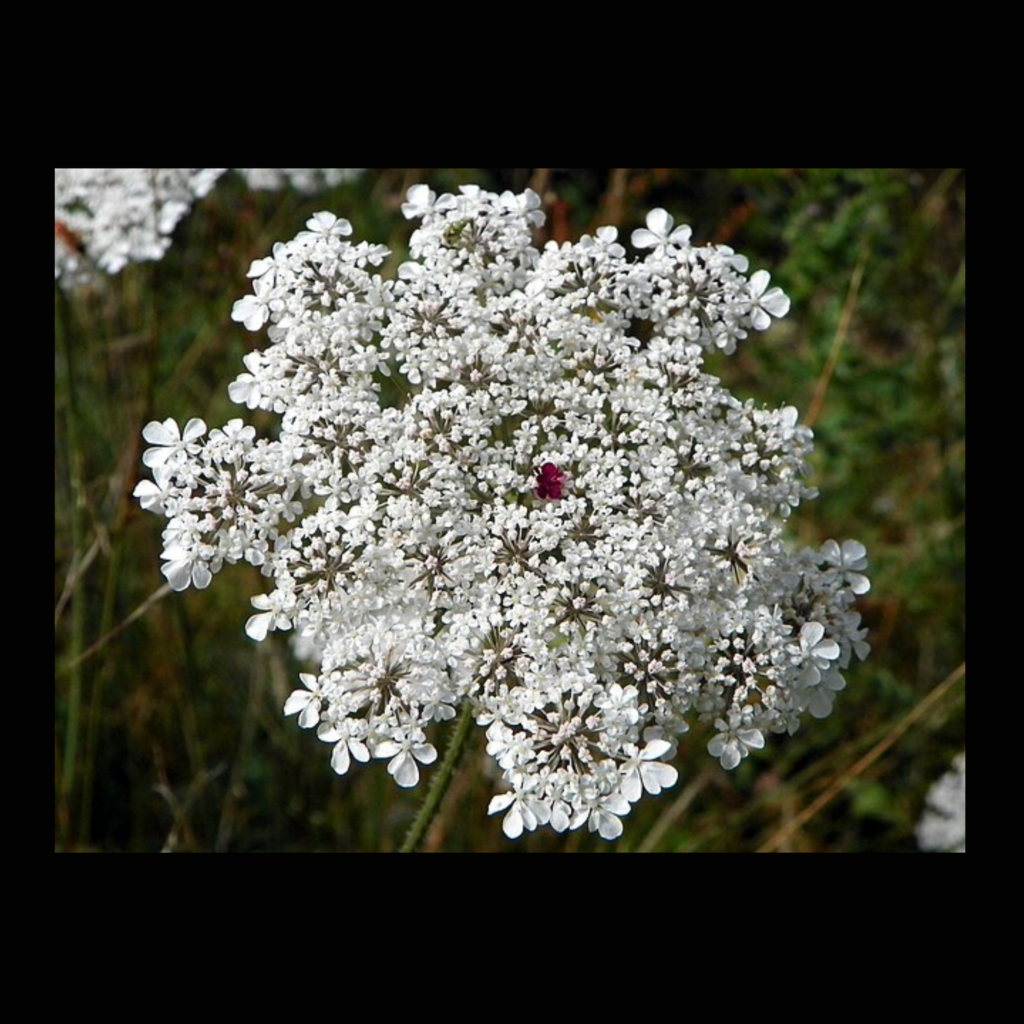
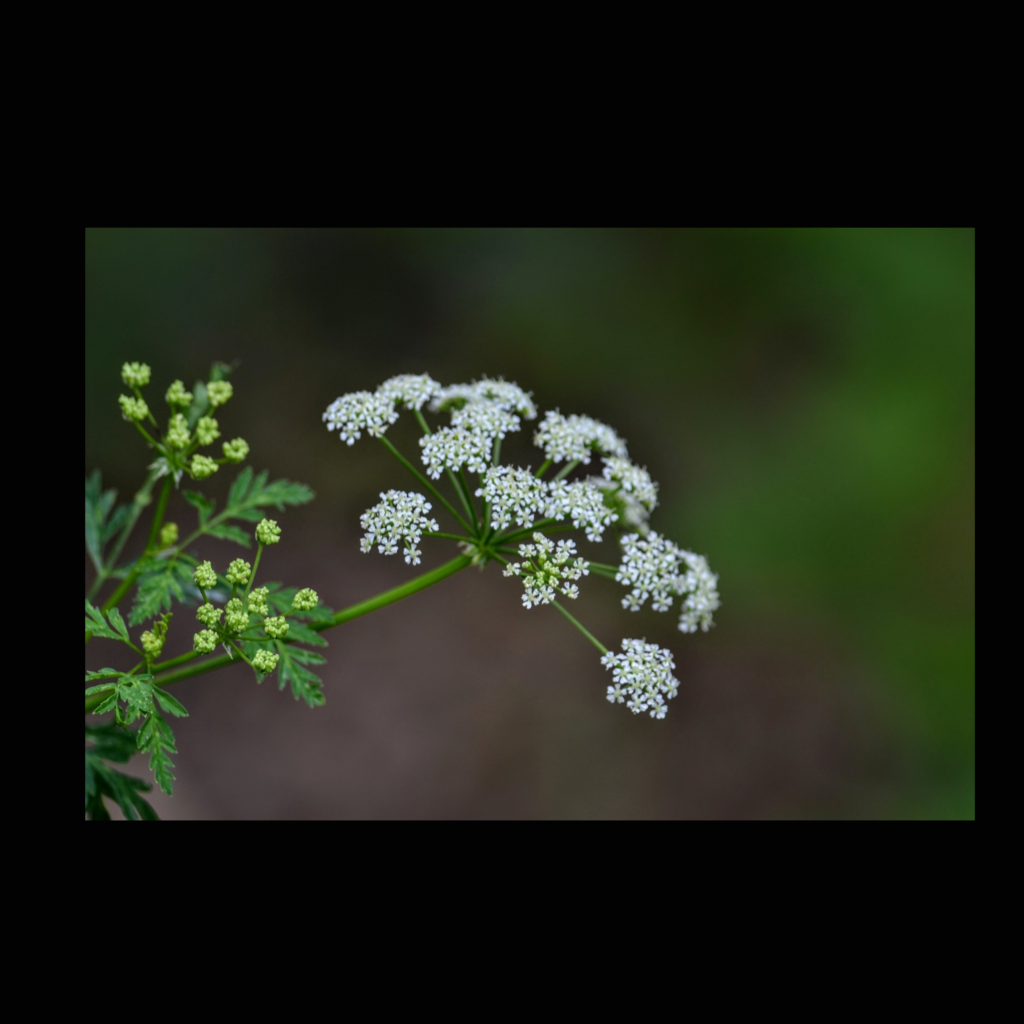
| Feature | WILD CARROT | POISON HEMLOCK |
|---|---|---|
| TOXICITY | EDIBLE (root) | DEADLY POISONOUS |
| Stem texture | HAIRY (fine white hairs) | SMOOTH (hairless) |
| Stem color | Solid green | Purple splotches/blotches |
| Stem markings | No spots | Distinctive purple blotches |
| Root smell | Carrot smell (sweet) | Musty, mousy, unpleasant |
| Purple center flower | Often present | Never present (all white) |
| Bracts under flower | Three-pronged, feathery | Small, not prominent |
| Height | 1-4 feet | 3-8 feet (much taller) |
| Stem size | Slender to medium | Thick, robust |
| Leaves | Finely divided, fern-like | Finely divided, fern-like (very similar) |
| Flower color | White | White |
| Bloom time | June-September | May-August |
| Seed head | Curls inward (“bird’s nest”) | Stays relatively flat |
THE THREE LIFE-SAVING TESTS:
1. THE HAIRY STEM TEST (Most Reliable):
- Rub your fingers on the stem (gently)
- Feel hair? = Wild Carrot (safe to continue ID)
- Feel smooth? = STOP. DO NOT PROCEED. Could be Poison Hemlock.
2. THE SMELL TEST (Second Most Reliable):
- Pull up the plant (wear gloves if unsure)
- Smell the root
- Smells like a carrot? = Probably Wild Carrot
- Smells musty, rank, mousy, unpleasant? = Poison Hemlock. DISCARD.
3. THE PURPLE CENTER FLOWER (Helpful But Not Definitive):
- Look at the center of the white flower cluster
- See a single tiny dark red/purple flower? = Likely Wild Carrot (Poison Hemlock never has this)
- All white, no purple? = Could be Wild Carrot (not all have it) OR could be Poison Hemlock (check other features)
Poison Hemlock Poisoning:
Symptoms (appear within 20 minutes to 3 hours):
- Trembling
- Burning sensation in mouth and throat
- Nausea and vomiting
- Dilated pupils
- Muscle paralysis
- Respiratory failure
- Death
All parts are poisonous – roots, stems, leaves, flowers, seeds. Even touching it and then touching your mouth can be dangerous.
There is no antidote. Treatment is supportive only.
DO NOT TAKE CHANCES WITH IDENTIFICATION.
WILD CARROT VS. WATER HEMLOCK (EVEN DEADLIER)
Water Hemlock (Cicuta spp.) is considered the most poisonous plant in North America. Even more deadly than Poison Hemlock. It can kill an adult in 15 minutes.
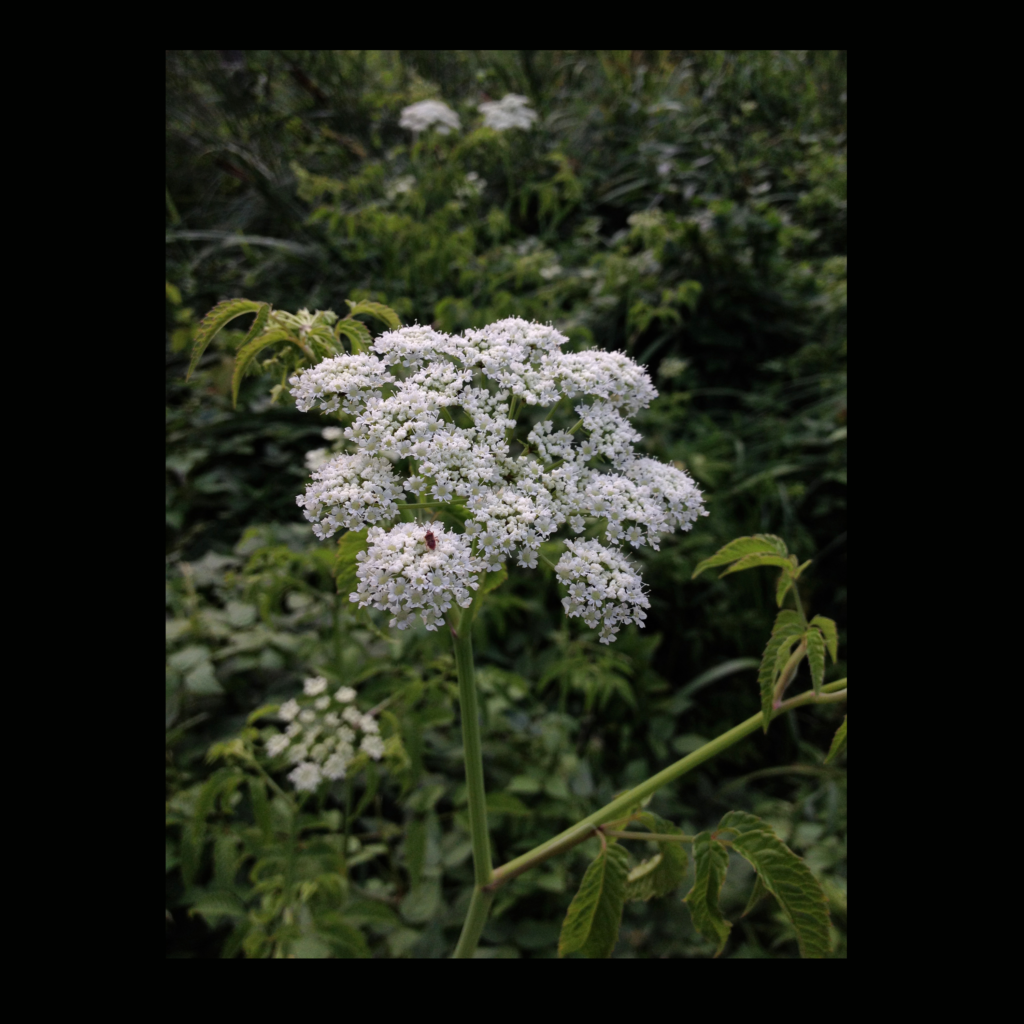
| Feature | WILD CARROT | WATER HEMLOCK |
|---|---|---|
| TOXICITY | EDIBLE (root) | EXTREMELY DEADLY |
| Habitat | Dry fields, roadsides | WETLANDS, marshes, stream edges |
| Stem | Hairy, solid green | Smooth, may have purple streaks |
| Leaf veins | End at tips of leaf lobes | End at NOTCHES between lobes (key feature) |
| Root | Single taproot, carrot-like | Chambered, tuberous (like bamboo inside) |
| Root smell | Carrot smell | Rank, unpleasant (like parsnips gone bad) |
| Flowers | White umbels | White umbels (very similar) |
| Height | 1-4 feet | 3-6 feet |
THE CRITICAL WATER HEMLOCK TEST:
LEAF VEIN PATTERN:
- Wild Carrot: Veins end at the TIPS of leaf lobes (normal)
- Water Hemlock: Veins end at the NOTCHES BETWEEN leaf lobes (abnormal, unique)
HABITAT TEST:
- Growing in wet areas, marshes, stream edges? = DO NOT ASSUME IT’S WILD CARROT
- Wild Carrot prefers dry, well-drained soil
- Water Hemlock requires wet habitat
If you see white umbel flowers near water, assume Water Hemlock until proven otherwise.
WILD CARROT VS. YARROW
Yarrow (Achillea millefolium) is sometimes confused with Wild Carrot in the non-flowering stage or when flowers are past.
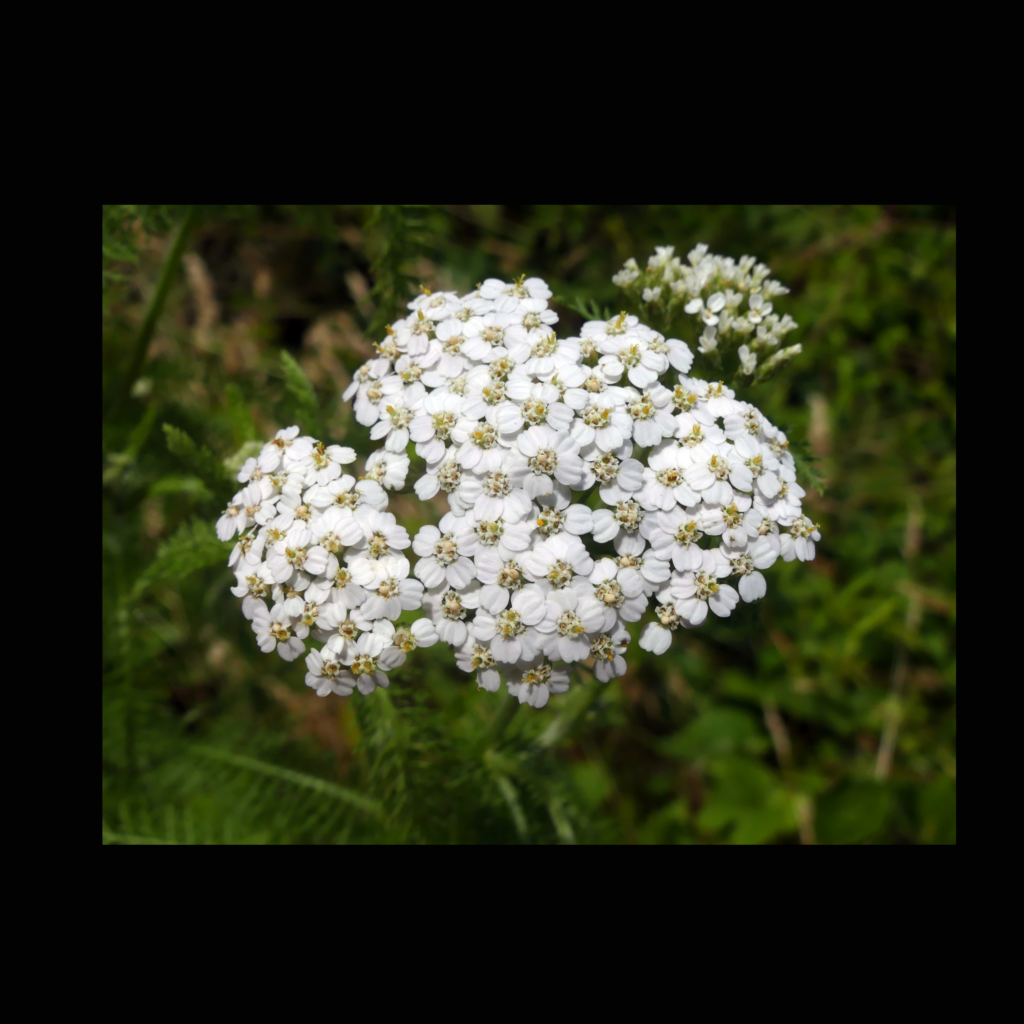
| Feature | WILD CARROT | YARROW |
|---|---|---|
| Flowers | Flat umbels (umbrella) | Flat-topped clusters (but NOT umbels) |
| Flower structure | Compound umbel | Composite flower heads (like tiny daisies) |
| Leaves | Fern-like, in alternate arrangement | Fern-like, arranged along stem |
| Leaf segments | Fine, lacy | Even finer, almost feathery |
| Stem | Hairy, round, ridged | Hairy, angular |
| Root | Taproot (carrot-like) | Rhizomes (spreading) |
| Height | 1-4 feet | 1-3 feet |
| Scent | Carrot smell (when crushed) | Pungent, medicinal smell |
Yarrow is safe (medicinal herb), but it’s good to know the difference.
WHY IT’S CALLED “QUEEN ANNE’S LACE”
There are a few legends about the name:
Legend 1 (Most Common):
- Named after Queen Anne of England (1665-1714)
- Queen Anne was an expert lacemaker (or so the story goes)
- The delicate white flower clusters resemble fine lace
- The single dark purple flower in the center represents a drop of blood – Queen Anne pricked her finger while making lace
Legend 2:
- Named after Saint Anne (mother of the Virgin Mary in Christian tradition)
- White flowers represent purity
- Purple center represents a drop of Christ’s blood
The “Bird’s Nest” Name:
- When the seeds mature, the flower cluster curls inward
- Forms a cup or nest-like shape
- Looks like a small bird’s nest
- Old common name
Why “Wild Carrot”:
- It’s literally the wild ancestor of cultivated carrots
- Same species – Daucus carota
- Cultivated carrots are Daucus carota var. sativus (a domesticated variety)
- Wild form has white root, cultivated has orange/purple/yellow
- Domestication selected for larger, sweeter, more colorful roots
WHERE TO FIND WILD CARROT
Habitat:
- Roadsides (extremely common)
- Fields and meadows
- Pastures (especially overgrazed or disturbed)
- Waste ground
- Lawns (persistent weed)
- Railroad rights-of-way
- Construction sites (once vegetation returns)
- Prefers: Full sun, well-drained soil, disturbed areas
- NOT in: Deep shade, intact native ecosystems, wetlands
Season:
- Year 1: Basal rosette of leaves (spring through fall)
- Year 2: Flowering stalk emerges in late spring/early summer
- Blooms: June to September (peak mid-summer)
- Seeds: Late summer to fall
- Dies: After setting seed (biennial)
Distribution:
- Native: Europe, North Africa, western Asia
- Naturalized: Throughout North America, Australia, temperate regions worldwide
- Extremely common in disturbed areas
- Zones: 3-9
EDIBILITY
YES – but only if you are 100% certain of identification.
The root is edible (same species as cultivated carrot). The seeds have been used historically. The flowers are sometimes used as garnish.
THE ROOT:
ONLY harvest first-year plants (basal rosette, no flower stalk):
- When: Fall through early spring (after cool weather improves flavor)
- Appearance: Looks like a small, white carrot
- Taste: Carrot-like but tougher, more fibrous, less sweet than cultivated carrots
- Texture: Can be woody or tough (not as tender as store-bought)
- Best use: Young, tender roots from rich soil
- Preparation: Peel, chop, cook (roasting, boiling, soups)
- Raw: Can be eaten raw but very tough
IDENTIFICATION CRITICAL:
- Must smell like a carrot
- Must have hairy stem on above-ground growth
- Must be 100% certain it’s not Poison Hemlock or Water Hemlock
Second-year plants: Root becomes woody and inedible after flowering stalk emerges.
THE SEEDS:
Historically used as a spice and medicine:
- When: Late summer/fall when seeds are mature and dry
- Harvest: Cut seed heads, dry completely, thresh to remove seeds
- Use: Carminative (reduces gas), contraceptive (traditional use – unreliable)
- Flavor: Aromatic, slightly bitter, carrot-like
- Traditional use: Digestive aid, urinary tract support
- Caution: High doses can be abortifacient (induce miscarriage) – avoid during pregnancy
THE FLOWERS:
- Edible: Yes (as garnish)
- Use: Fresh, as decorative garnish for salads
- Taste: Mild, slightly carrot-y
- Caution: Make absolutely certain of ID before eating
THE LEAVES:
- Generally not eaten (tough, not particularly palatable)
- Some sources mention young leaves cooked
- Not recommended – too much confusion risk with Poison Hemlock leaves
IS IT WORTH FORAGING?
Honest answer: Probably not, unless you’re very experienced.
Pros:
- Free food (common and abundant)
- Same species as cultivated carrot
- Edible and safe (if correctly identified)
- Historical food source
Cons:
- Looks identical to Poison Hemlock (deadly)
- Can be confused with Water Hemlock (even deadlier)
- Root is small compared to cultivated carrots
- Root is tough and woody (not great eating)
- Time investment vs. buying carrots at the store
- Serious consequences if you get ID wrong
Who Should Forage It:
- Experienced foragers with extensive Apiaceae knowledge
- People who can confidently identify Poison Hemlock on sight
- Those who’ve had expert in-person training
- People foraging with mentors
Who Should NOT Forage It:
- Beginners (this is not a beginner plant)
- Anyone with doubts about ID
- Anyone who can’t tell Poison Hemlock from Wild Carrot with 100% confidence
- Foragers near wetlands (Water Hemlock risk)
The risk-to-reward ratio is not favorable for most people.
MEDICINAL USES (Historical & Traditional)
Disclaimer: I’m not a doctor. This is historical and traditional information, not medical advice.
Wild Carrot seeds have been used medicinally for thousands of years.
Traditional Applications:
SEEDS – Urinary & Kidney Support:
- Use: Infusion for urinary tract infections, kidney stones, water retention
- Why: Diuretic properties
- Method: Tea from crushed seeds
- Historical: Traditional European herbal medicine
SEEDS – Digestive Aid:
- Use: Carminative (relieves gas and bloating)
- Method: Chew seeds or make tea
- Why: Aromatic compounds aid digestion
- Similar to: Caraway, fennel, anise (all Apiaceae)
SEEDS – Contraceptive (Traditional):
- Historical use: Seeds used as contraceptive/abortifacient
- Modern research: Some studies suggest anti-implantation effects in animals
- NOT RELIABLE as contraception
- Dangerous: Can cause miscarriage (avoid during pregnancy)
- Do not use for this purpose
ROOT – Nutritional:
- High in: Vitamin A precursors (beta-carotene in some wild forms)
- Carbohydrates, fiber
- Historical: Food source, not medicine
Active Constituents (Seeds):
- Essential oils – aromatic compounds
- Flavonoids – antioxidant
- Coumarins – various effects
- Daucol – studied for contraceptive effects
Preparation Methods:
SEED TEA:
- Ingredients: 1-2 teaspoons crushed seeds, 1 cup water
- Method: Pour boiling water over seeds, steep covered 10-15 minutes, strain
- Dose (historical): 1 cup, 2-3 times daily
- Use: Urinary support, digestive aid
SEED TINCTURE:
- Ingredients: Fresh seeds, 80-100 proof alcohol
- Ratio: 1:5 (seeds to alcohol)
- Method: Macerate 2-4 weeks, strain
- Dose (historical): 10-30 drops in water, 3 times daily
⚠️ SAFETY WARNINGS
IDENTIFICATION:
- Apiaceae family is dangerous to forage
- Never consume unless 100% certain
- Even experts make mistakes
- One mistake can be fatal
PREGNANCY:
- Seeds are abortifacient (can cause miscarriage)
- Avoid medicinal use of seeds during pregnancy
- Root is likely safe in food amounts (same as cultivated carrot)
ALLERGIES:
- Apiaceae allergies common (carrot, celery, parsley family)
- Contact dermatitis possible (sap can irritate skin in some people)
- Oral allergy syndrome (if allergic to related plants)
PHOTOTOXICITY:
- Wild Carrot contains furanocoumarins (like Wild Parsnip)
- Much lower levels than Wild Parsnip
- Can cause mild phototoxic reaction in sensitive individuals
- Nowhere near as bad as Wild Parsnip, but be aware
LOOK-ALIKE DANGER:
- Poison Hemlock – deadly
- Water Hemlock – even deadlier
- This cannot be overstated
KIDNEY ISSUES:
- Seeds are diuretic
- Use caution if you have kidney disease
- Can irritate kidneys in high doses
HARVESTING WILD CARROT
Only harvest if you are absolutely certain of identification.
When to Harvest:
ROOTS:
- Fall (first year, after cool weather)
- Early spring (first year, before flowering stalk emerges)
- After the plant is cold-stressed (improves flavor)
SEEDS:
- Late summer to fall when seed heads are dry and brown
- Before seeds fall naturally
- When “bird’s nest” is fully formed and dry
FLOWERS:
- Summer when in full bloom
- For garnish only (not a significant harvest)
How to Harvest:
ROOTS:
- Verify ID on above-ground parts first
- Check for hairy stem
- Smell to confirm it’s carrot-like
- Dig deep (taproot goes down)
- Use digging fork to loosen soil
- Wash thoroughly
SEEDS:
- Cut entire seed head
- Place in paper bag to finish drying
- Hang or lay flat in dry area
- Once fully dry, rub/thresh to release seeds
- Store in airtight container
Storage:
ROOTS:
- Refrigerate (lasts a few weeks)
- Root cellar (longer storage)
- In sand (traditional method, several months)
SEEDS:
- Dry completely before storage
- Airtight container
- Cool, dark place
- Shelf life: 2-3 years
GROWING WILD CARROT (Not Recommended)
Wild Carrot is considered invasive in many areas. Growing it is generally not recommended.
Why Not to Grow It:
- Invasive – spreads aggressively
- Hard to control once established
- Outcompetes natives
- Biennial – self-seeds prolifically
- Cultivated carrots are better for food
- Can cross-pollinate with cultivated carrots (reducing their quality)
If You Must:
- Grow in containers only (prevents spread)
- Deadhead before seeds mature
- Harvest roots first year (prevent flowering)
- Don’t let it escape to wild areas
Better option: Grow cultivated carrots (Daucus carota var. sativus) – same species, better roots, less invasive.
WILD CARROT AS INVASIVE SPECIES
Invasive Characteristics:
- Biennial with high seed production (single plant produces thousands of seeds)
- Seeds viable for years in soil
- Wind dispersal (seeds travel far)
- Tolerates disturbance (thrives in disturbed areas)
- Competitive (forms dense stands)
- Allelopathic (may inhibit growth of other plants)
Ecological Impact:
- Displaces native plants
- Reduces forage quality in pastures (livestock avoid it)
- Reduces biodiversity
- Hard to control once established
Management:
- Mowing before seed set (prevents spread)
- Hand-pulling (dig out taproot)
- Herbicides (glyphosate, 2,4-D)
- Multiple treatments needed over years
FINAL THOUGHTS
Wild Carrot is beautiful. Those delicate white lace flowers are one of the prettiest roadside sights in summer. The fact that it’s edible – the same species as the carrots we’ve been eating for thousands of years – makes it tempting to forage.
But the look-alike danger is real.
Poison Hemlock looks almost identical. Same white umbel flowers. Same ferny leaves. Same roadside habitat. The difference is a few key features – hairy stem vs. smooth stem, carrot smell vs. musty smell, purple center flower vs. all white. Get those right, and you’re fine. Get them wrong, and you’re dead.
This is not a plant for casual foraging. This is a plant for experienced foragers who have spent time learning the Apiaceae family, who can identify Poison Hemlock with absolute confidence, who understand the risks.
If you’re going to forage it:
- Check the hairy stem (most reliable test)
- Smell the root (must smell like a carrot)
- Look for the purple center flower (helpful but not always present)
- Be 100% certain before putting anything in your mouth
If you have ANY doubt, leave it alone. The reward (a small, tough root that tastes like an inferior carrot) is not worth the risk (death by Poison Hemlock).
Appreciate the beauty of Queen Anne’s Lace. Learn to identify it. But think very carefully before you eat it.
For Poison Hemlock identification, see the Poison Index. For Water Hemlock, see the Poison Index. For safe Apiaceae foraging, work with an experienced mentor.