
[SYSTEM WARNING: ⚠️ LEVEL-10 TOXICITY ALERT]
Specimen: Cicuta bulbifera. Identification: The Bulb-Bearer. Status: EXTREMELY LETHAL. Hazard: Rapid-Onset Convulsant / Waterborne Clonal Spread. OVERVIEW: Cicuta bulbifera is the smaller, “grassy” cousin of the common Water Hemlock. Do not let its slender frame fool you; it contains the same concentrated Cicutoxin as its larger relatives. It is unique for its ability to produce “bulbils”—small, clonal bulbs in the leaf axils—allowing it to compromise entire shorelines without needing to flower.
FIELD IDENTIFICATION: THE TRIAD CLEARANCE
To clear this specimen for “The Grave” (exclusion), you must verify the Three-Point Clearance. Because this specimen mimics harmless water grasses, the Bulbil Protocol must be performed on every narrow-leafed plant in the “Wet Zone.”
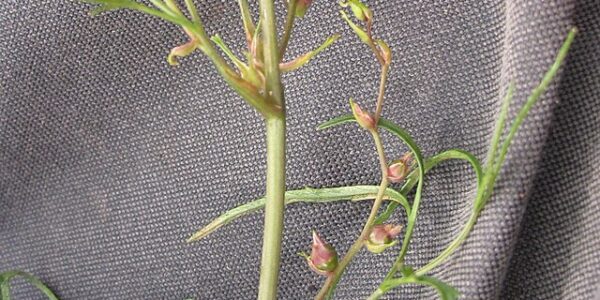
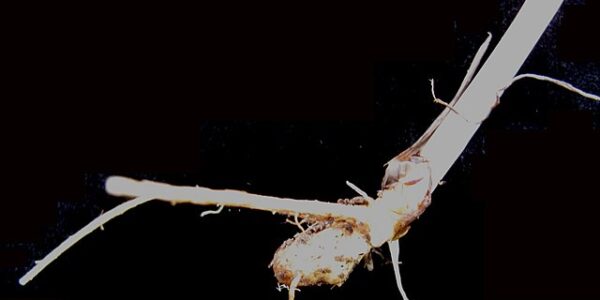
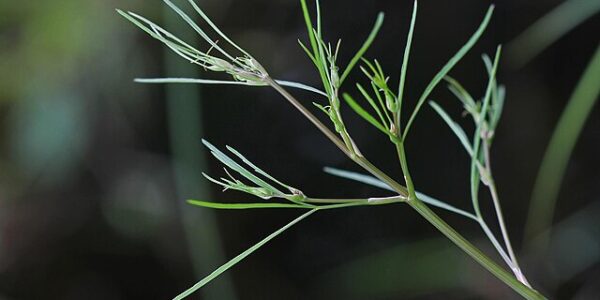
- THE LEAF AXILS (The “Bulbil” Protocol): The most distinct tactical marker. Inspect the junction where the leaf meets the main stem. You will find tiny, green, teardrop-shaped bulbs (bulbils). These are highly concentrated packets of toxin and clonal starters.
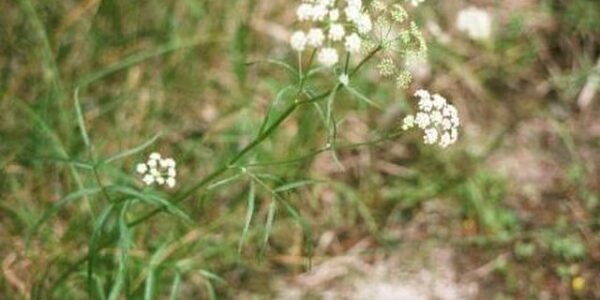
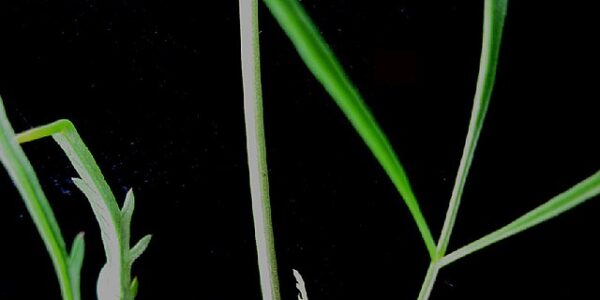
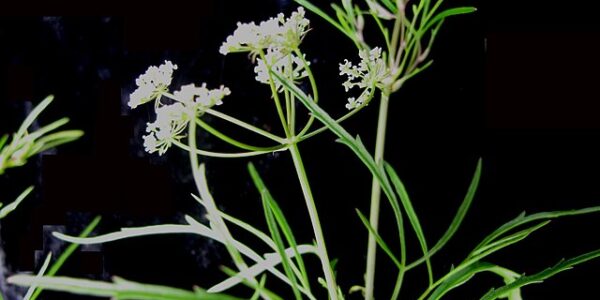
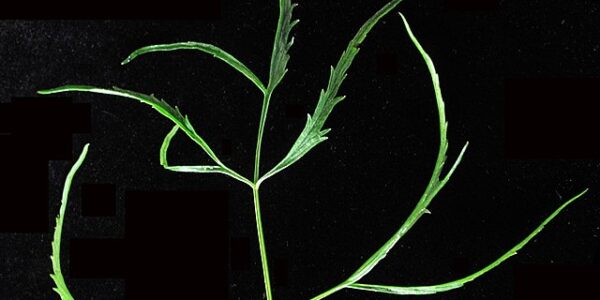
- THE LEAF ARCHITECTURE: Unlike the lacy, triangular leaves of the “Assassin” (Poison Hemlock), these leaflets are narrow, linear, and grass-like. The arrangement is sparse, giving the plant a “thin” or “sickly” appearance compared to other umbellifers.
- THE STEM INTEGRITY: The stalk is slender, completely smooth (hairless), and ranges from green to reddish-purple. It lacks the robust vertical ribbing found in safer aquatic plants.
PRIMARY IDENTIFICATION
MARKERS THE STEM: Weak and slender. Frequently leans or sprawls in marshy vegetation. Completely hairless.
THE FLOWERS: Classic white umbrellas (umbels), but often smaller and less dense than its larger relative, “The Executioner” (C. maculata).
REPRODUCTION: Primarily via the axial bulbils which detach and float downstream to establish new kill-zones.
HABITAT: Fens, bogs, and the muddy edges of stagnant water. Often grows directly out of floating mats of organic debris.
THE TOXICITY LOG (ARCHIVAL DATA)
Archival records identify the primary toxin as Cicutoxin. In this species, the toxin is heavily concentrated in the small bulbils. We report the toxicological record; we make no medical claims.
- Mechanism: Central Nervous System (CNS) convulsant.
- The Kill: Violent, uncontrollable seizures starting within 15–30 minutes. Rapid “electrical exhaustion” of the brain followed by respiratory failure.
- Fatal Dose: A single mouthful of the bulbils or a small portion of the root is a terminal dose.
⚠️
Bunker Advisory: Water Security
- FILTRATION ALERT: Bulbils detach and float. If found near a bunker’s water intake, the source must be considered “Red Zone” (Bio/Chem hazard) until cleared.
- DERMAL CAUTION: High sap mobility. Bare-handed contact during marsh clearing leads to aggressive dermal reactions and systemic absorption risk.
- SURVIVAL MISCONCEPTION: Do not mistake for aquatic mints or grasses. Never harvest narrow-leafed aquatic plants without a “Bulbil Check.”
⚠️ DEADLY DOPPELGÄNGER PROTOCOL: THE ASSASSINS
The “Bulb-Bearer” is the master of aquatic camouflage. Differentiate it from other “Wet Zone” inhabitants using the following:
BULB-BEARING HEMLOCK (The Clone)
- Primary Marker: Tiny green bulbs in leaf axils.
- Leaves: Grass-like and narrow.
- Habitat: Marsh edges and floating debris.
WATER HEMLOCK (The Executioner)
- Primary Marker: Veins lead to leaf notches.
- Leaves: Broad, saw-toothed leaflets.
- Habitat: Saturated mud and ditch lines.
AQUATIC MINTS (Safe)
- Stem: Distinctly square.
- Scent: Strong, minty aroma when crushed.
- Marker: Never produces axial bulbils.
BUNKER CLEARANCE:
This information is for identification and avoidance purposes only. KNF7 and the Bunker Archives are not responsible for misidentification. Documentation of this specimen is critical for water-security protocols in the Illinois and Great Lakes sectors. In the event of suspected ingestion, immediate professional medical intervention is the only viable protocol.
SYSTEM NOTICE: ARCHIVAL SAFETY DATA
This record consists of historical identification markers and toxicological data compiled from botanical archives and survival field logs. NO MEDICAL ADVICE PROVIDED.