
The Classic
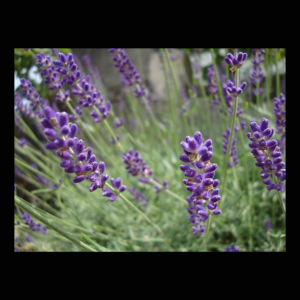
English Lavender is the lavender everyone thinks of when they hear the word “lavender.”
That sweet, floral, instantly recognizable scent. Those long, slender purple spikes. The one used in sachets, soaps, baking, and teas. The culinary standard. The gentle one.
It’s native to the Mediterranean but has been cultivated worldwide for centuries – in English cottage gardens, French perfume fields, American herb farms. It’s hardy, drought-tolerant, and one of the most versatile medicinal and culinary herbs you can grow.
It’s been used for anxiety and sleep since Roman times, as an antiseptic for wounds since the Middle Ages, and as a culinary herb in everything from cookies to cocktails. The essential oil is one of the most researched in aromatherapy, and the dried flowers retain their scent for years.
But there’s confusion out there – people mix up English Lavender with Spanish Lavender (the high-camphor medicinal one) and Purple Loosestrife (the invasive wetland plant). We’ll clear that up.
Let’s talk about how to identify it, what makes it different from other lavenders, and why it’s called “English” when it’s not even from England.
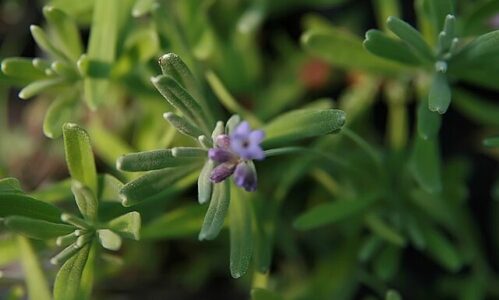
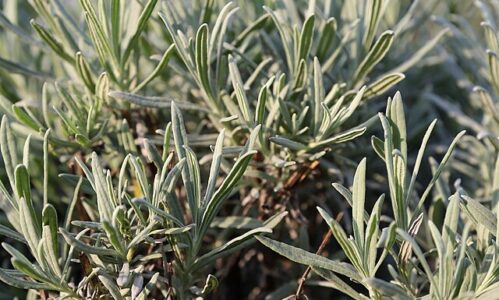
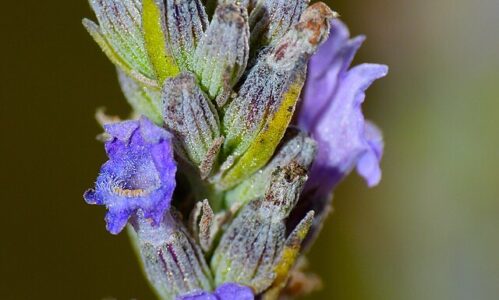
WHAT IS ENGLISH LAVENDER?
Botanical Name: Lavandula angustifolia (formerly L. officinalis, L. vera)
Common Names: English Lavender, True Lavender, Common Lavender
Family: Lamiaceae (Mint family)
English Lavender is a woody perennial shrub native to the Mediterranean region – primarily the mountains of southern France, northern Spain, and Italy. Despite the name, it’s not native to England – it earned that name from its popularity in English gardens.
What It Looks Like:
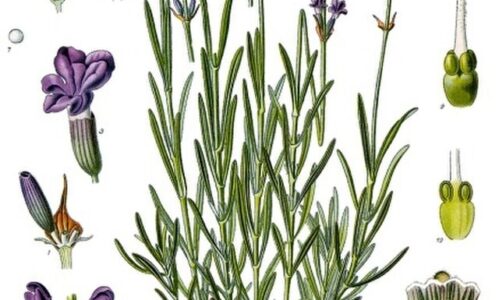
- 1-3 feet tall (depending on variety)
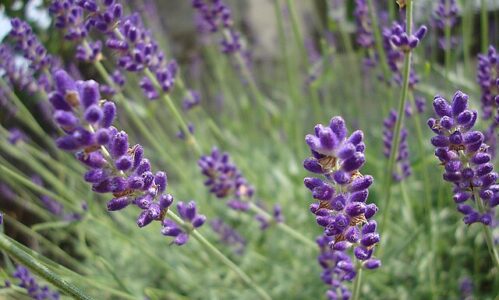
- Long, slender flower spikes on leafless stems
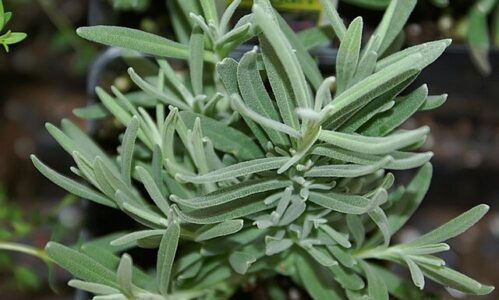
- Narrow, silver-grey to grey-green leaves
- Woody base, herbaceous tips
- Sweet, floral, classic lavender scent
- Compact, mounded growth habit
The Signature:
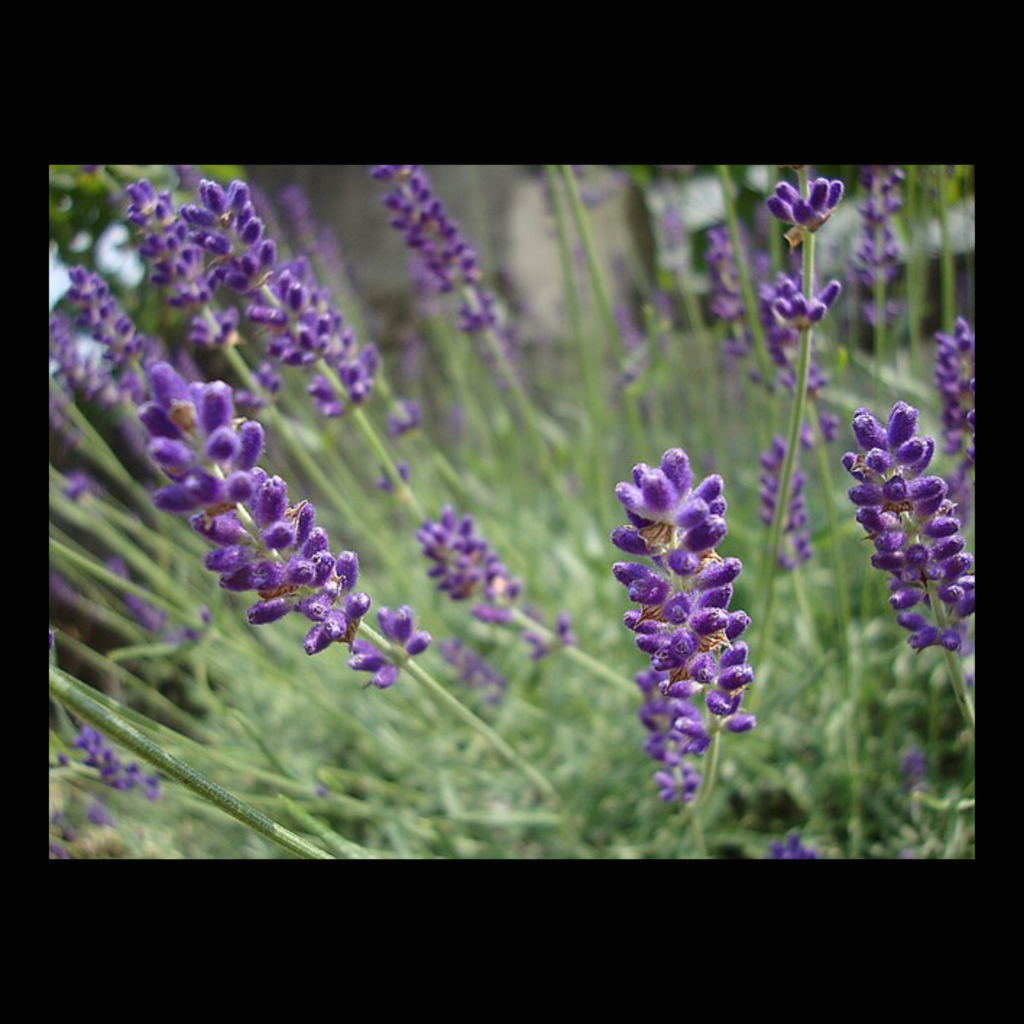
Long, slender, unbranched flower spikes + sweet floral scent + narrow grey-green leaves = English Lavender.
IDENTIFICATION
THE FLOWERS:
- Shape: Long, slender, unbranched spikes (2-3 inches)
- Color: Pale lavender to deep purple (depending on variety)
- Structure: Individual tiny tubular flowers arranged in whorls around the spike
- Stem: Long, leafless flower stalk (6-12 inches above foliage)
- Bloom time: Mid to late summer (June-August, depending on location)
- Scent: Sweet, floral, classic lavender
- No “crown”: Unlike Spanish Lavender (key difference)
THE LEAVES:
- Arrangement: Opposite pairs (typical of mint family)
- Shape: Narrow, linear, almost needle-like
- Length: 1-2 inches
- Width: Very narrow (1/8 inch or less)
- Color: Silver-grey to grey-green
- Texture: Slightly fuzzy/velvety (covered in fine hairs)
- Edges: Smooth (entire) – no teeth or serrations
- Scent when crushed: Sweet, floral lavender
THE STEM:
- Young stems: Square-ish (mint family trait)
- Mature stems: Woody at base, herbaceous at tips
- Color: Grey-green becoming brown and woody with age
- Texture: Smooth to slightly rough
- Growth: Branching from woody base
THE HABIT:
- Form: Compact, rounded, mounded shrub
- Size: 1-3 feet tall and wide (varies by cultivar)
- Base: Woody (becomes more pronounced with age)
- Evergreen: Retains foliage year-round in mild climates
THE HABITAT:
- Native: Mediterranean mountains – rocky slopes, poor soils
- Cultivated: Gardens worldwide in suitable climates
- Prefers: Full sun, excellent drainage, poor to moderate soil
- Hates: Wet feet, humidity, rich soil, shade
ENGLISH LAVENDER VS. SPANISH LAVENDER VS. LAVANDIN
The three most common “lavenders” are easily confused. Here’s how to tell them apart:
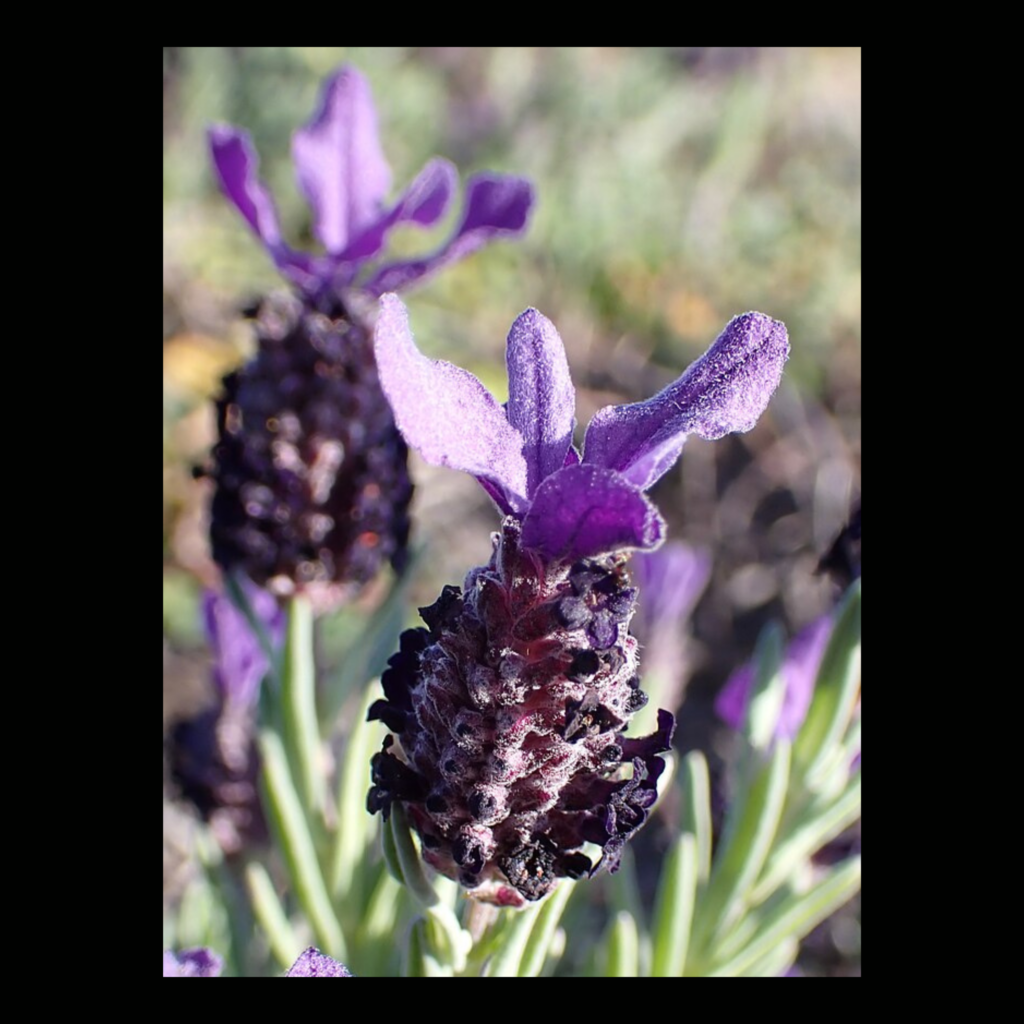
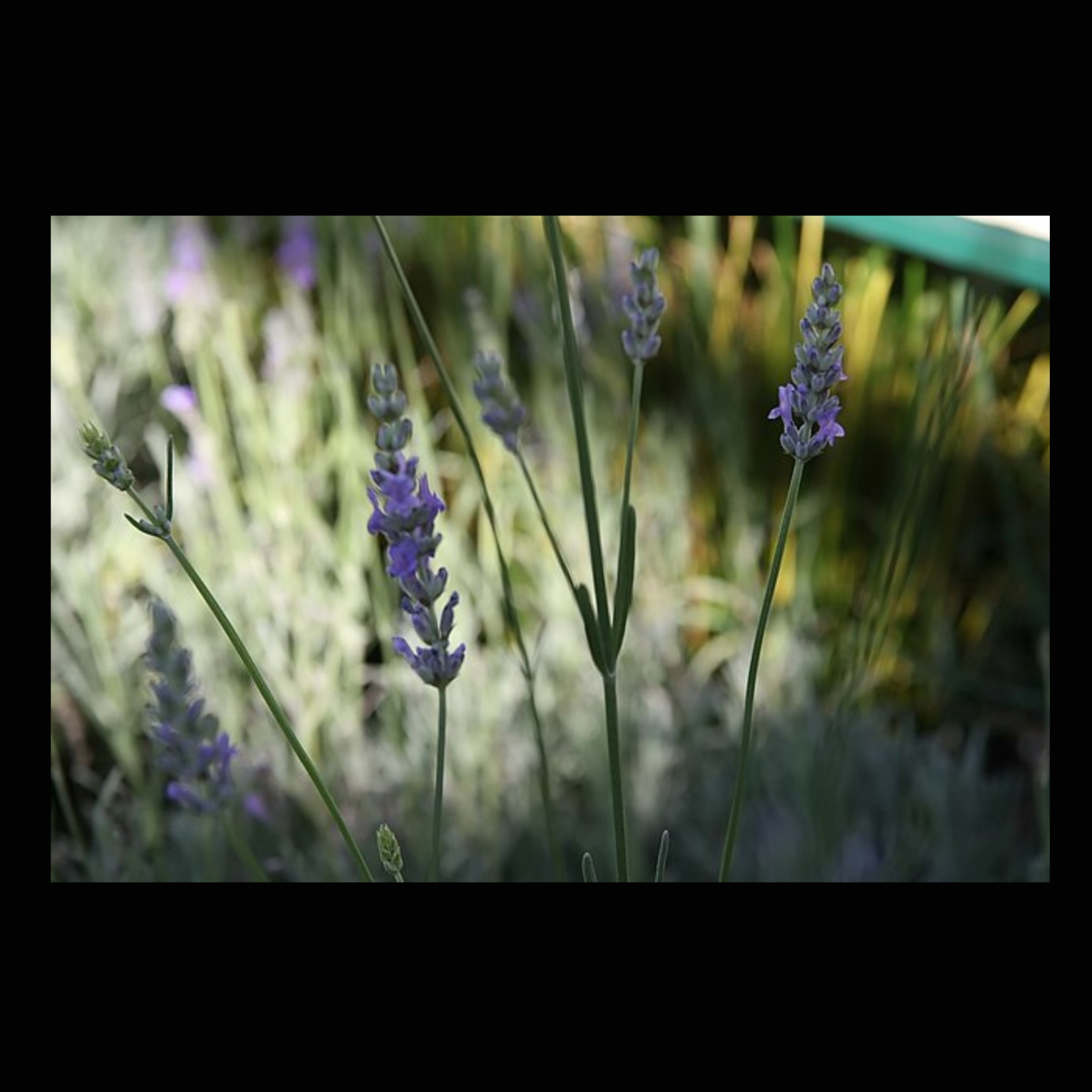
| Feature | ENGLISH LAVENDER | SPANISH LAVENDER | LAVANDIN |
|---|---|---|---|
| Species | L. angustifolia | L. stoechas | L. × intermedia |
| Flower shape | Long, slender spikes | Pinecone with “bunny ear” crown | Long, branched spikes |
| Scent | Sweet, floral | Camphor, sharp, medicinal | Strong, camphor-tinged |
| Culinary use | YES – standard | NO – too much camphor | Sometimes (stronger flavor) |
| Cold hardiness | Zones 5-8 | Zones 8-9 | Zones 5-9 |
| Size | 1-3 feet | 1-2 feet | 3-4 feet (larger) |
| Bloom time | Mid-late summer | Spring-early summer | Mid-late summer |
| Oil content | Moderate | High | High |
| Best for | Culinary, gentle medicine | Strong medicine | Commercial oil production |
The Quick Tests:
- Check flower shape: Long, unbranched spike = English; Pinecone with crown = Spanish; Long, branched spike = Lavandin
- Smell it: Sweet = English; Sharp camphor = Spanish; Strong camphor-tinged = Lavandin
- Check size: Medium shrub = English; Smaller compact = Spanish; Large robust = Lavandin
ENGLISH LAVENDER VS. PURPLE LOOSESTRIFE
This is critical because Purple Loosestrife is invasive and grows in completely different habitat.
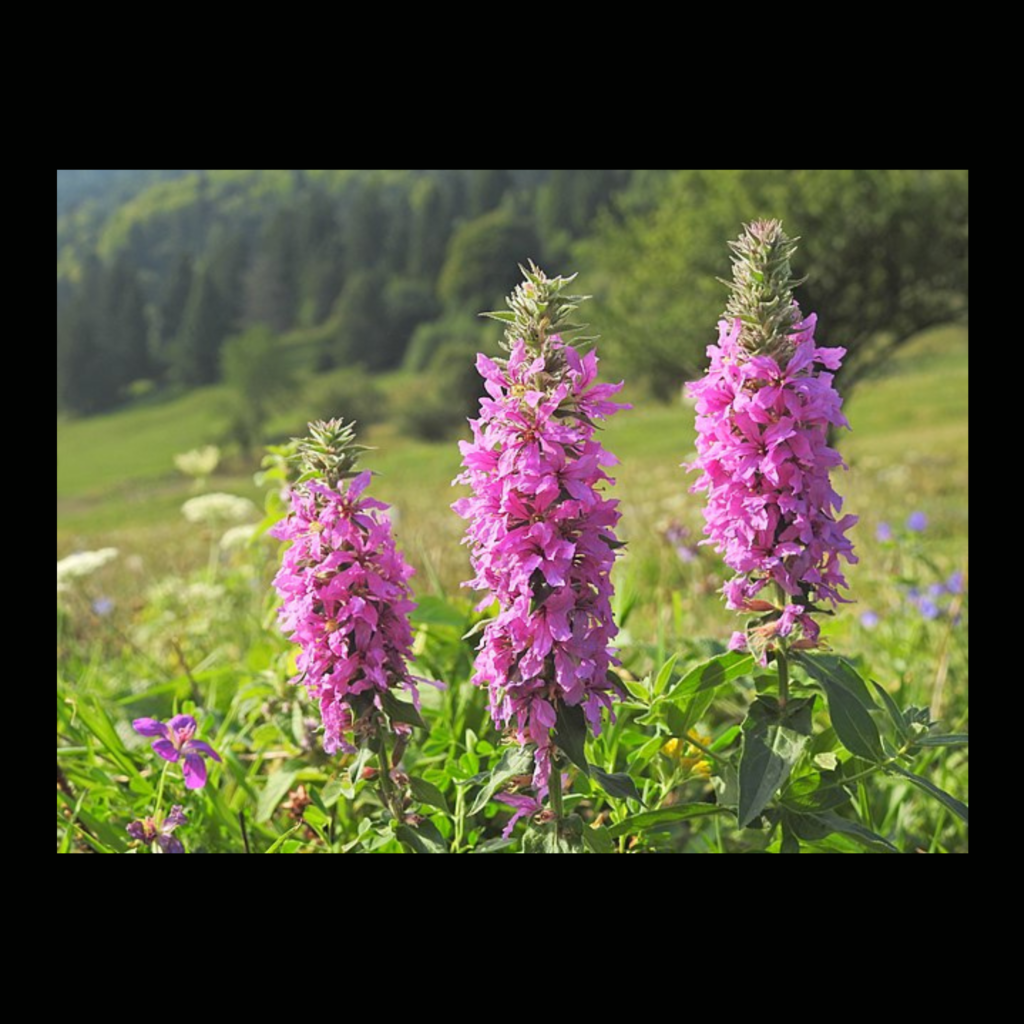
| Feature | ENGLISH LAVENDER | PURPLE LOOSESTRIFE |
|---|---|---|
| Habitat | DRY – rocky, well-drained soil | WET – marshes, wetlands |
| Scent | Sweet, floral | NONE or faint |
| Stem | Square when young, woody at base | Square, herbaceous |
| Leaves | Narrow, grey-green, opposite | Lance-shaped, green, opposite or whorled |
| Flower spike | Loose, with gaps | Dense, no gaps |
| Petals | Tubular, 2-lipped (mint family) | 5-7 separate petals |
| Native status | Cultivated, not invasive | INVASIVE (harmful) |
| Water needs | Drought-tolerant | Requires standing water |
The Habitat Test is foolproof:
- Found in DRY soil = Could be Lavender
- Found in WET soil/marsh = NOT Lavender (probably Loosestrife)
WHY IT’S CALLED “ENGLISH LAVENDER”
Despite being native to the Mediterranean, this species earned the name “English Lavender” because of its prominence in English gardens.
The History:
- Roman introduction: Romans brought lavender to England during occupation
- Monastic gardens: Grown extensively in medieval English monastery gardens
- Tudor era: Became hugely popular in English gardens and perfumery
- Victorian era: Essential in English cottage gardens
- By the 1600s: So associated with English gardens that it earned the name
Other Names:
- “True Lavender” (L. vera) – because it was considered the “real” lavender
- “Common Lavender” – most widely cultivated species
- “Garden Lavender” – standard garden variety
The irony is that lavender doesn’t love English weather (too wet, not sunny enough), but the name stuck anyway.
WHERE TO FIND ENGLISH LAVENDER
Habitat:
- Native (wild): Mediterranean mountains – poor, rocky soil, full sun
- Cultivated: Gardens, farms, xeriscapes worldwide
- Prefers: Hot, dry summers; mild winters; excellent drainage
- Common in: Mediterranean climates, cottage gardens, herb gardens
Season:
- Foliage: Evergreen in mild climates; semi-evergreen in colder zones
- Blooms: Mid to late summer (June-August in Northern Hemisphere)
- Harvest: Peak bloom for maximum oil content
Distribution:
- Native: Mediterranean – southern France, northern Spain, Italy
- Cultivated: Worldwide in zones 5-9
- Major production: France (Provence), England, United States (Pacific Northwest), Australia
Climate Requirements:
- Hardiness: Zones 5-8 (some cultivars to zone 5, others only to zone 7)
- Heat: Loves it (needs hot, dry summers for best oil production)
- Cold: Tolerates winter freezing (more cold-hardy than Spanish Lavender)
- Humidity: Hates it (prone to fungal issues)
- Best in: Mediterranean, semi-arid climates
EDIBILITY
YES – English Lavender is the ONLY lavender commonly used culinarily.
Unlike Spanish Lavender (too much camphor) or Lavandin (too strong), English Lavender has a sweet, floral flavor suitable for cooking and baking.
FLOWERS:
- When: Full bloom (peak flavor and aroma)
- Use: Fresh or dried
- Taste: Sweet, floral, slightly citrusy, perfumey
- Caution: Use sparingly – too much tastes soapy/perfumey
- Best part: The florets (individual flowers), not the stems
CULINARY USES:
BAKING:
- Lavender shortbread, cookies, scones
- Lavender honey cake
- Lavender sugar (mix dried flowers with sugar, let sit 2 weeks)
- Lavender-infused cream or milk for custards
BEVERAGES:
- Lavender tea (dried flowers)
- Lavender lemonade
- Lavender simple syrup (for cocktails)
- Lavender honey (made by bees visiting lavender fields)
SAVORY:
- Herbes de Provence blend
- Dry rubs for lamb or chicken
- Lavender-honey glazes
- Paired with rosemary and thyme
OTHER:
- Lavender honey (direct from bees or infused)
- Lavender jelly
- Ice cream
- Cocktails (Lavender 75, Lavender Martini)
HOW TO USE IN COOKING:
Start with VERY SMALL amounts:
- 1 teaspoon dried flowers = enough for a full recipe
- Fresh flowers are milder than dried
- Steep in liquid first (releases flavor, then strain out)
- OR grind dried flowers with sugar
Too much lavender = soapy, perfumey, inedible
TASTE PROFILE:
Sweet, floral, slightly citrusy, with a perfumey quality. Think roses meet mint meet citrus. Complements lemon, honey, berries, cream, and mild meats.
MEDICINAL USES (Historical & Traditional)
Disclaimer: I’m not a doctor. This is historical and traditional information, not medical advice.
English Lavender is one of the most researched herbs in aromatherapy and has been used medicinally for over 2,000 years.
Traditional Applications:
Anxiety & Stress:
- Use: Tea, essential oil inhalation, aromatherapy
- Why: Linalool and linalyl acetate (calming compounds)
- Research: Multiple studies show lavender reduces anxiety
- Method: Tea, inhale essential oil, or lavender sachets near pillow
- Historical: “Nervous conditions,” “hysteria,” stress relief
Sleep Aid:
- Use: Dried flowers in sleep pillows, tea before bed, aromatherapy
- Why: Sedative properties
- Research: Studies show improved sleep quality
- Traditional: Lavender under pillow to “ensure sweet dreams”
Headaches:
- Use: Essential oil on temples, tea, aromatherapy
- Why: Analgesic and muscle-relaxing properties
- Method: Diluted oil on temples and neck, or inhale scent
- Traditional: For “nervous headaches” and tension
Antiseptic/Wound Care:
- Use: Infused oil, essential oil (diluted), wash
- Historical: Used extensively in WWI for wound care
- Why: Antimicrobial, promotes healing
- Method: Lavender-infused oil applied to minor cuts, burns, scrapes
Digestive Issues:
- Use: Tea for gas, bloating, nausea
- Why: Carminative (relieves gas), antispasmodic
- Method: Tea after meals
- Traditional: “Nervous stomach”
Skin Care:
- Use: Minor burns, insect bites, eczema, acne
- Why: Anti-inflammatory, antimicrobial, soothing
- Method: Infused oil or diluted essential oil
- Traditional: “Summer sores,” minor skin irritations
Respiratory:
- Use: Steam inhalation for congestion
- Why: Mild expectorant
- Method: Add flowers or oil to hot water, inhale steam
Active Constituents:
- Linalool (25-38%) – calming, antimicrobial, analgesic
- Linalyl acetate (25-45%) – calming, anti-inflammatory
- Camphor (low, <1%) – much lower than Spanish Lavender
- 1,8-Cineole – antimicrobial
- Terpinen-4-ol – antimicrobial
Preparation Methods:
CALMING TEA:
- Ingredients: 1-2 tsp dried flowers, 1 cup water
- Method: Pour just-boiled water over flowers, cover, steep 5-10 minutes, strain
- Dose: 1 cup before bed or as needed
- Taste: Floral, slightly sweet (add honey if desired)
INFUSED OIL (Topical):
- Ingredients: Dried lavender flowers (loosely packed), carrier oil (olive, almond, jojoba)
- Ratio: Fill jar 1/2 to 2/3 with flowers, cover completely with oil
- Method:
- Hot infusion: Gently heat (double boiler) 1-2 hours, strain
- Cold infusion: Let sit 4-6 weeks, shaking daily, strain
- Use: Minor burns, cuts, dry skin, massage oil
- Storage: Dark glass bottle, cool place, 6-12 months
SLEEP SACHET:
- Method: Fill small cloth bag with dried flowers
- Use: Place under pillow or near bed
- Duration: Scent lasts 1-3 years
- Refresh: Crush sachet occasionally to release more scent
STEAM INHALATION:
- Method: Handful of flowers in bowl, pour boiling water, cover head with towel, inhale
- Use: Stress relief, headaches, mild congestion
- Duration: 5-10 minutes
LAVENDER BATH:
- Method: Add 1/4 cup dried flowers in muslin bag to bath water
- OR: 5-10 drops essential oil
- Use: Relaxation, stress relief, muscle aches
ESSENTIAL OIL USE:
- ALWAYS DILUTE before applying to skin (2-3 drops per teaspoon carrier oil)
- Never ingest essential oils without professional guidance
- Patch test first (some people are sensitive)
- Quality matters: Buy from reputable sources
⚠️ SAFETY WARNINGS
English Lavender is generally very safe, but there are a few considerations:
PREGNANCY:
- Culinary amounts: Generally considered safe
- Medicinal doses: Consult healthcare provider
- Essential oil: Avoid high doses (theoretical uterine stimulation)
- Historical note: Used in some traditional pregnancy preparations
HORMONE SENSITIVITY:
- Some research suggests: Lavender oil may have mild estrogenic effects
- Relevance: Uncertain, but those with hormone-sensitive conditions should be aware
- Culinary use: No concerns
- Topical/aromatherapy: Likely safe for most people
ALLERGIES:
- Rare but possible: Contact dermatitis from handling fresh plants
- Essential oil: Can cause skin irritation in sensitive individuals
- Patch test: Before using topically
DRUG INTERACTIONS:
- Sedatives: Lavender may enhance effects (theoretical – use caution)
- CNS depressants: Same concern
- Likely minimal with culinary use
PETS:
- Dried flowers: Generally safe in small amounts
- Essential oil: Can be toxic to cats (concentrated linalool)
- Keep concentrated oils away from pets
QUALITY CONCERNS:
- Misidentification: Make sure it’s true L. angustifolia, not Spanish Lavender
- Pesticides: Buy organic or grow your own if using medicinally/culinarily
- Essential oil quality: Adulteration is common – buy from reputable sources
Overall: English Lavender is one of the safest herbs. Most issues arise from using concentrated essential oils improperly.
HARVESTING ENGLISH LAVENDER
When to Harvest:
- For flowers: When about half the flowers on the spike are open
- Time of day: Morning after dew dries (10-11 AM)
- Season: Mid-summer (peak bloom)
- Peak oil content: Just as flowers begin to open
How to Harvest:
- Cut stems 6-8 inches below flower heads (or just above woody growth)
- Use sharp scissors or pruners
- Cut just above a leaf node (encourages branching)
- Take no more than 1/3 of plant at once
- Leave enough for plant to continue growing
Drying:
FOR BEST QUALITY (retains color and scent):
- Bundle 10-20 stems with rubber band
- Hang upside down in warm, dark, dry place
- Good air circulation is critical
- Dry until: Stems snap easily, flowers are crispy
- Time: 1-2 weeks
- Dark is important: Light degrades color and oils
ALTERNATIVE:
- Lay on screens in single layer
- Dehydrator at lowest setting (95-115°F)
Storage:
- Strip flowers from stems (or keep on stems for decorative use)
- Store in airtight containers (glass jars best)
- Keep in dark, cool place
- Whole flowers: Keep best potency
- Ground/crushed: Use within 3-6 months (loses potency faster)
- Shelf life: 1-3 years (scent gradually fades)
GROWING ENGLISH LAVENDER
From Seed:
- Difficulty: Moderate to difficult
- Germination: Slow, erratic (2-4 weeks)
- Stratification: Cold period helps (refrigerate seeds 3-4 weeks)
- Method: Surface sow (needs light), barely cover
- Success rate: Variable
- Better option: Buy starts or use cuttings
From Cuttings:
- Best time: Spring or early summer (softwood) or late summer (semi-hardwood)
- Method: 3-4 inch cuttings, remove lower leaves, dip in rooting hormone, plant in sandy mix
- Keep moist but not wet
- Rooting time: 3-6 weeks
- Success rate: Good with proper technique
Growing Conditions:
SOIL:
- Type: Sandy, rocky, poor to moderate fertility
- Drainage: EXCELLENT – this is critical
- pH: Neutral to alkaline (6.5-8.0)
- Rich soil: Reduces oil production, causes leggy growth
- Clay: Add sand and compost to improve drainage
SUN:
- Requirement: FULL SUN – minimum 6 hours, prefer 8+
- Shade: Causes leggy growth, poor flowering, fungal issues
- More sun = better scent and oil production
WATER:
- Young plants: Water regularly until established (first year)
- Established plants: Drought-tolerant
- Rule: Water deeply but infrequently
- Overwatering kills it: Causes root rot
- Prefers dry conditions
TEMPERATURE:
- Hardiness: Zones 5-8 (cultivar-dependent)
- Cold: Tolerates winter freezing
- Heat: Loves it – needs hot summers for best growth
- Humidity: Hates it – causes fungal issues
Spacing:
- Plant 18-24 inches apart (depends on variety)
- Allows air circulation (prevents fungal issues)
Pruning:
CRITICAL FOR LONGEVITY:
- When: Early spring (just as new growth begins) OR after flowering
- How much: Cut back 1/3 to 1/2 of plant
- Don’t cut into old wood: Won’t regrow from woody stems
- Shape into mound
- Why: Prevents plant from getting woody and bare at center
- Lifespan: 10-15 years with proper pruning; 5-7 without
First Year Care:
- Water regularly (drought tolerance develops over time)
- Don’t fertilize
- Don’t harvest (let plant establish)
- Mulch lightly in winter (in cold zones)
Mature Plant Care:
- Water: Deeply every 2-3 weeks in summer (more in extreme heat)
- Fertilize: Not needed (may reduce oil production)
- Deadhead: After flowering to encourage second bloom
- Winter: Mulch in zones 5-6 for winter protection
Common Problems:
ROOT ROT:
- Cause: Overwatering, poor drainage
- Prevention: Excellent drainage, water less
- Fatal if not caught early
FUNGAL ISSUES (Botrytis, etc.):
- Cause: Humidity, poor air circulation, overhead watering
- Prevention: Proper spacing, prune for airflow, water at base
- Treatment: Remove affected parts, improve conditions
WOODY, BARE CENTER:
- Cause: Lack of pruning
- Prevention: Annual hard pruning
- Treatment: If severe, may need to replace plant
POOR FLOWERING:
- Causes: Shade, too much nitrogen, young plant
- Solutions: More sun, don’t fertilize, be patient
Best Cultivars:
- ‘Hidcote’ – Deep purple, compact (zones 5-8)
- ‘Munstead’ – Early blooming, compact (zones 5-8)
- ‘Grosso’ (Lavandin) – Large, high oil content, commercial (zones 5-9)
- ‘Phenomenal’ – Heat and humidity tolerant (zones 5-9)
- ‘Melissa’ – Pale pink flowers (zones 5-8)
USES BEYOND MEDICINE AND FOOD
Crafts:
- Dried flower bundles (decorative)
- Lavender wands (woven stems around flowers)
- Wreaths and arrangements
- Potpourri
- Soap making
- Bath products
Home:
- Sachets: Drawers, closets (freshens, repels moths)
- Linen spray: Lavender water on bedding
- Cleaning: Add to vinegar cleaning solutions
- Air freshener: Simmer in water on stove
Garden:
- Pollinator magnet: Bees, butterflies, hummingbirds
- Companion planting: May help repel pests
- Edging plant: Borders, paths
- Deer and rabbit resistant
LAVENDER IN HISTORY & CULTURE
Ancient Use:
- Romans: Used in baths (name from Latin lavare = to wash)
- Egyptians: Used in mummification
- Ancient Greece: Dioscorides documented medicinal uses
Medieval & Renaissance:
- Monastic gardens: Essential medicinal herb
- Strewing herb: Scattered on floors for fresh scent
- Plague: Used as fumigant and in “plague vinegar”
- Tudor England: Hugely popular in gardens and perfumery
Modern Use:
- WWI: Used to treat wounds when antiseptics were scarce
- Aromatherapy: One of the most studied essential oils
- Provence: Famous lavender fields (major tourist attraction)
- Commercial: Perfume, cosmetics, cleaning products
Symbolism:
- Love and devotion
- Purity and cleanliness
- Calm and relaxation
- Protection (historical belief)
FINAL THOUGHTS
English Lavender is what happens when humans take a tough Mediterranean mountain plant and turn it into something gentle enough for cookies and strong enough for medicine.
It’s the lavender that smells like the idea of lavender – sweet, floral, unmistakable. Those long purple spikes in summer. That scent that makes you breathe deeper without meaning to. The dried flowers that keep their scent for years.
It’s been helping humans sleep better, heal wounds, and make food taste like summer since the Romans were building aqueducts. It’s one of the most researched, most used, most loved herbs in the world.
Learn those long, slender spikes. Know the sweet floral scent. Don’t confuse it with Spanish Lavender (camphor smell, bunny-ear crown) or Purple Loosestrife (no scent, grows in water). Make sure it’s growing in DRY, sunny conditions – if it’s in a marsh, it’s not lavender.
Give it sun, drainage, and benign neglect. Prune it yearly. Don’t baby it. It’s tougher than it looks.
And remember – if it smells like soap, you used too much in the cookies.
For other lavender species, see Spanish Lavender in the Flora Archive. For Lamiaceae family overview, see the Mint Family Guide. For other calming herbs, see Chamomile and Lemon Balm posts.