
The Lemon-Scented Calmer
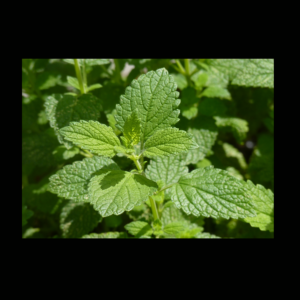
Lemon Balm is the herb that smells exactly like lemon but isn’t a lemon.
Crush a leaf and you get clean, bright citrus – unmistakable lemon scent. But it’s not citrus at all. It’s a mint. A member of the Lamiaceae family that happens to smell like lemonade on a summer day.
It’s been used for anxiety and sleep for over 2,000 years. Greek physicians prescribed it for “melancholy.” Medieval monks made it into “Carmelite Water” – an anti-anxiety tonic. Swiss physician Paracelsus called it the “elixir of life.” Colonial Americans made tea from it for “worried minds” and restless children.
It grows like a weed – escaped from every old garden, spreading along fence lines, taking over wherever it’s planted. It’s one of the easiest herbs to identify (that lemon smell is a dead giveaway), one of the easiest to grow (practically indestructible), and one of the gentlest nervines (calming herbs) in traditional herbalism.
The only confusion is with Bee Balm (Monarda) – completely different plant, similar common name. We’ll clear that up.
Let’s talk about how to identify Lemon Balm, why it smells like lemon, and what “the elixir of life” can actually do.
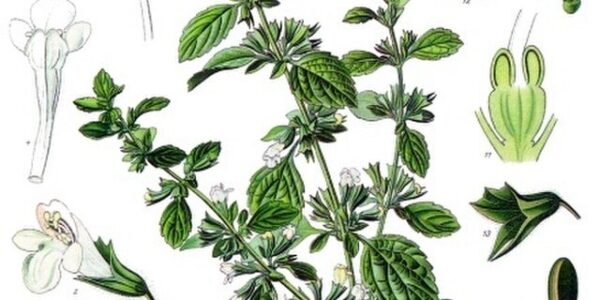
WHAT IS LEMON BALM?
Botanical Name: Melissa officinalis
Common Names: Lemon Balm, Balm, Common Balm, Bee Balm (confusing – see below)
Family: Lamiaceae (Mint family)
Lemon Balm is a perennial herb native to southern Europe, the Mediterranean region, and western Asia. It’s been cultivated for over 2,000 years and has naturalized across temperate regions worldwide.
What It Looks Like:
- 1-3 feet tall, bushy growth
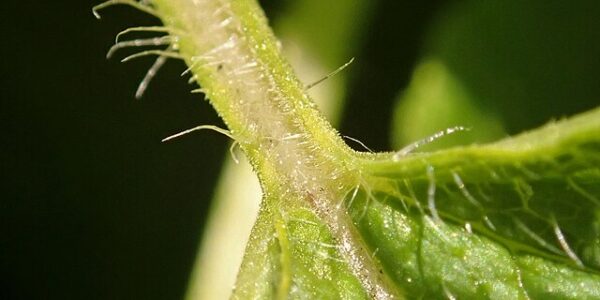
- Square stems (mint family signature)
- Opposite leaves (pairs along stem)
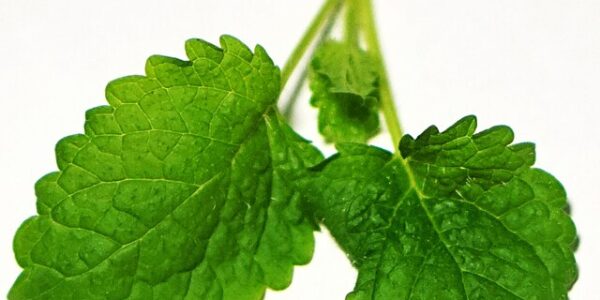
- Oval to heart-shaped, toothed leaves
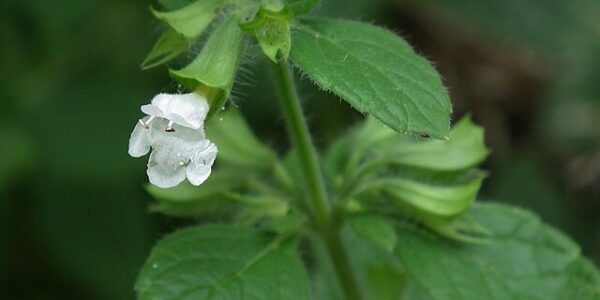
- Small white to pale yellow flowers
- Strong lemon scent when crushed (the key identifier)
- Spreads aggressively
The Signature:
Square stem + opposite leaves + lemon scent when crushed = Lemon Balm. The scent is non-negotiable – if it doesn’t smell like lemon, it’s not Lemon Balm.
IDENTIFICATION
THE SCENT:
THIS IS THE PRIMARY IDENTIFIER – nothing else matters if the scent is wrong
- Crush a leaf between your fingers
- Smell: Clean, bright, unmistakable LEMON scent
- Not vague: It smells exactly like lemon – citrusy, fresh, lemony
- If it smells like anything else – mint, oregano, nothing – it’s NOT Lemon Balm
- The scent test is mandatory for positive ID
THE LEAVES:
- Arrangement: Opposite pairs (each pair rotates 90° from the pair below)
- Shape: Oval to heart-shaped with rounded base
- Edges: Toothed/serrated (scalloped edges)
- Size: 1-3 inches long
- Texture: Slightly wrinkled, somewhat hairy
- Veins: Prominent (deeply impressed)
- Color: Bright green to yellow-green
- Surface: Matte (not glossy)
THE STEM:
- Shape: Square (roll it between your fingers – you’ll feel four distinct edges)
- Color: Green to reddish-brown
- Texture: Hairy
- Growth: Upright, branching
- Height: 1-3 feet
- Square stem = mint family signature
THE FLOWERS:
- When: Summer (June-September)
- Color: White to pale yellow (sometimes with pink tinge)
- Size: Small (¼ inch)
- Arrangement: Clusters in leaf axils (where leaves meet stem)
- Structure: Tubular, two-lipped (typical mint family)
- Not showy: Small and inconspicuous (unlike Bee Balm’s large showy flowers)
THE GROWTH HABIT:
- Form: Bushy, clumping
- Spread: Via underground runners (rhizomes) and self-seeding
- Aggressive: Spreads quickly, can take over
- Height: 1-3 feet
- Dies back: In winter (in cold climates), regrows from roots in spring
THE HABITAT:
- Gardens: Escaped cultivation (very common)
- Fence lines: Along old property boundaries
- Roadsides: Occasionally
- Disturbed areas: Old homesteads, abandoned gardens
- Prefers: Partial shade to full sun, moist soil
- Tolerates: Wide range of conditions
LEMON BALM VS. BEE BALM (Critical Distinction)
This confusion is common and problematic.
Lemon Balm is sometimes called “Bee Balm” (because bees love it), but Bee Balm usually refers to Monarda species – a completely different plant.
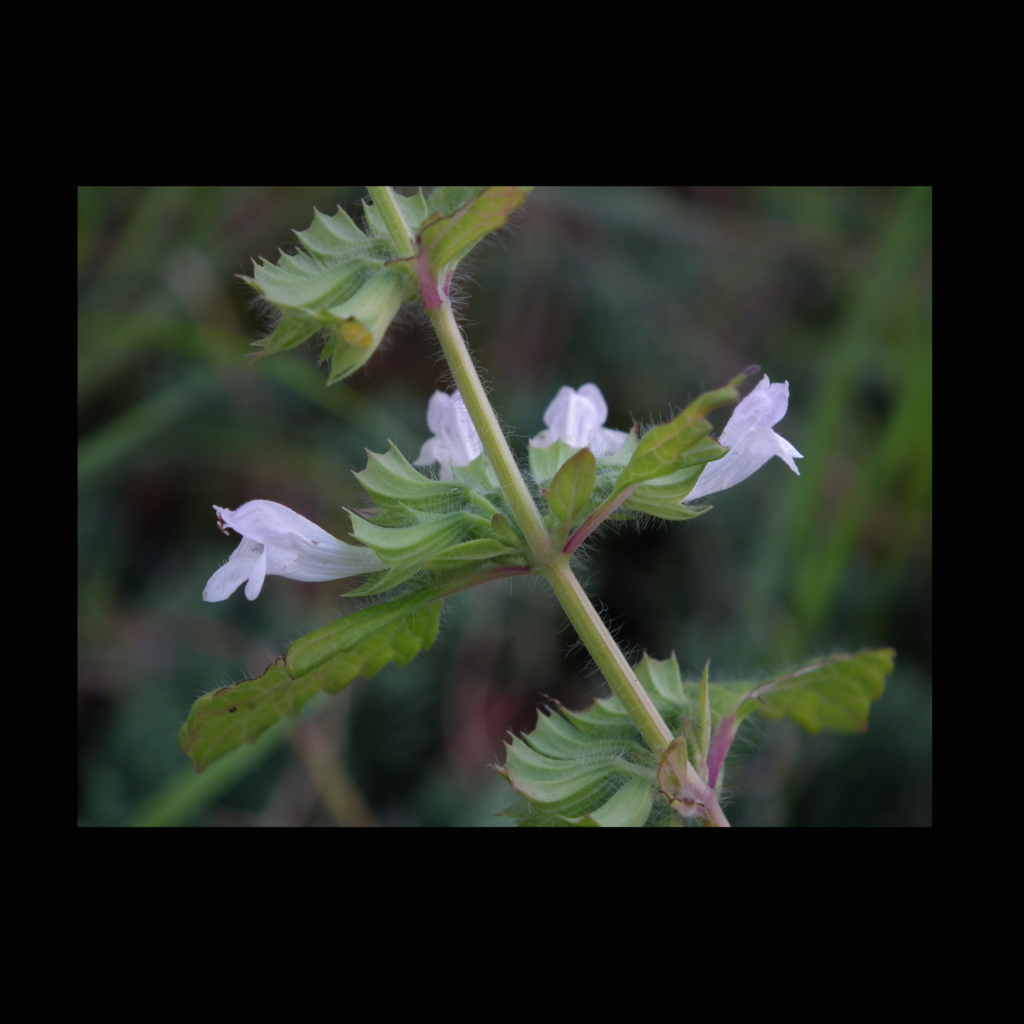
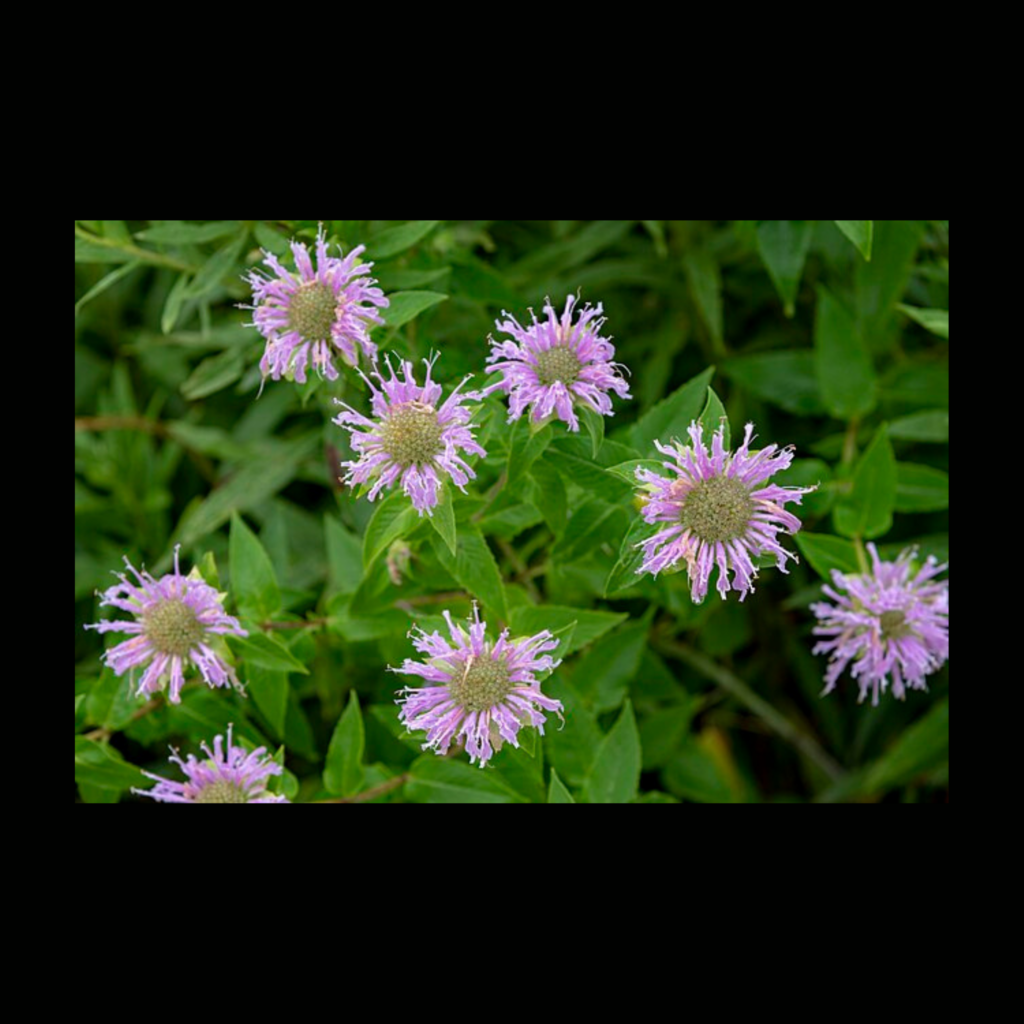
| Feature | LEMON BALM | BEE BALM (MONARDA) |
|---|---|---|
| Species | Melissa officinalis | Monarda didyma, M. fistulosa |
| Scent | LEMON (strong, citrus) | Oregano, mint, bergamot (NOT lemon) |
| Flowers | Small, white/pale yellow | Large, showy, red/pink/purple |
| Flower shape | Small clusters in leaf axils | Large pom-pom or spiky heads |
| Leaves | Oval to heart-shaped | Lanceolate (longer, narrower) |
| Height | 1-3 feet | 2-4 feet |
| Primary use | Calming/nervine | Respiratory, antimicrobial |
| Family | Lamiaceae (same) | Lamiaceae (same) |
THE SCENT TEST IS DEFINITIVE:
- Smells like lemon = Lemon Balm (Melissa)
- Smells like oregano/mint/bergamot = Bee Balm (Monarda)
Both are safe medicinal herbs, but they have different uses.
LEMON BALM VS. OTHER LEMON-SCENTED PLANTS
Several plants smell lemony. Here’s how to tell them apart:
LEMON VERBENA (Aloysia citrodora):
- Scent: Lemon (stronger than Lemon Balm)
- Leaves: Long, narrow, lance-shaped (not oval)
- Arrangement: Whorls of 3 leaves
- Stem: Woody (shrub)
- Not hardy: Zones 8-11 only
LEMON GRASS (Cymbopogon citratus):
- Scent: Lemon
- Appearance: Grass-like (long, narrow blades)
- Not hardy: Tropical only
- Completely different structure
LEMON THYME (Thymus × citriodorus):
- Scent: Lemon + thyme
- Leaves: Tiny (¼ inch), opposite
- Growth: Low, creeping
- Stem: Woody at base
- Height: 6-12 inches
Lemon Balm is the one that smells like lemon AND has the mint family structure (square stem, opposite leaves, 1-3 feet tall).
WHY IT’S CALLED “LEMON BALM”
“Lemon” – for the obvious lemon scent
“Balm” – from Greek balsamon (aromatic resin), referring to the soothing, healing properties. “Balm” historically meant a soothing, healing substance.
“Melissa” – from Greek melissa (μέλισσα) meaning “honeybee”
- Ancient Greek beekeepers rubbed fresh Lemon Balm leaves on beehives
- Believed to calm bees and encourage them to return to the hive
- Bees are strongly attracted to the flowers
“Officinalis” – Latin for “of the workshop” or “medicinal”
- Indicates it was sold in apothecary shops
- Used in official medicine
Other names:
- Common Balm – emphasizes the “balm” (soothing) quality
- Sweet Balm – for the pleasant scent
- Bee Balm – for attracting bees (CONFUSING – usually refers to Monarda)
WHERE TO FIND LEMON BALM
Habitat:
- Old gardens – persistent from cultivation
- Fence lines and property boundaries – where it was planted and spread
- Abandoned homesteads
- Roadsides – occasionally
- Parks and yards – escaped ornamental
- Waste ground – disturbed areas near human habitation
- Prefers: Partial shade to full sun, moist but well-drained soil
- Tolerates: Various soil types, some drought
Season:
- Spring: New growth emerges
- Summer: Flowering (June-September)
- Fall: Continues growing until frost
- Winter: Dies back in cold climates, evergreen in mild climates
- Best harvest: Just before flowering (maximum oil content)
Distribution:
- Native: Southern Europe, Mediterranean, western Asia
- Naturalized: North America, temperate regions worldwide
- Very common near human habitation
- Hardiness: Zones 4-9 (sometimes zone 3 with protection)
Climate:
- Temperate climates
- Cold-hardy (survives freezing winters)
- Heat-tolerant (with adequate water)
- Adaptable
EDIBILITY
YES – Lemon Balm is edible and commonly used as a culinary herb.
The leaves have a bright lemon flavor without the acidity of actual lemons.
CULINARY USES:
BEVERAGES:
- Tea – hot or iced (most common use)
- Lemonade – fresh leaves muddled in lemonade
- Cocktails – mojitos, gin drinks, herbal infusions
- Water infusions – fresh leaves in cold water
SALADS:
- Fresh leaves torn into green salads
- Fruit salads (complements berries, melon)
- Grain salads
DESSERTS:
- Lemon Balm ice cream or sorbet
- Infused into cream or milk for custards
- Cookies and cakes (use sparingly – flavor is strong)
- Fruit compotes
SAVORY:
- Fish dishes (substitute for lemon zest)
- Chicken (fresh herb)
- Salad dressings and marinades
- Pesto (mixed with basil or alone)
OTHER:
- Lemon Balm sugar (mix dried leaves with sugar)
- Infused vinegar
- Herb butter
FLAVOR PROFILE:
- Taste: Bright lemon with slight mint undertone
- Intensity: Moderate to strong (a little goes a long way)
- Best used: Fresh (dried loses flavor quickly)
- Complements: Fish, chicken, fruit, light dishes
PREPARATION:
- Fresh: Add at end of cooking (heat destroys volatile oils)
- Dried: Use earlier in cooking (needs time to rehydrate)
- Ratio: 1 tablespoon fresh = 1 teaspoon dried (roughly)
MEDICINAL USES (Historical & Traditional)
Disclaimer: I’m not a doctor. This is historical and traditional information, not medical advice.
Lemon Balm has been used medicinally for over 2,000 years and is one of the most well-studied calming herbs.
Traditional Applications:
ANXIETY & STRESS:
- Use: Tea or tincture for mild to moderate anxiety, nervous tension
- Why: Contains compounds that affect GABA receptors (calming neurotransmitter)
- Research: Multiple studies show anxiety-reducing effects
- Traditional: “Nervine” – calms the nervous system
- Historical: Greek physicians prescribed for “melancholy”
SLEEP AID:
- Use: Tea before bed for insomnia, restless sleep
- Why: Mild sedative properties
- Research: Studies show improved sleep quality when combined with valerian
- Traditional: For “restless minds” that won’t quiet at bedtime
- Not strong: Gentle sleep aid (not like pharmaceutical sedatives)
DIGESTIVE ISSUES (Stress-Related):
- Use: Tea for nervous stomach, stress-related indigestion, gas, bloating
- Why: Carminative (relieves gas), antispasmodic (relaxes smooth muscle)
- Traditional: “Settles the stomach when the mind is worried”
- Best for: Digestive issues worsened by stress/anxiety
HEADACHES (Tension):
- Use: Tea or tincture for tension headaches, stress headaches
- Why: Relaxes muscles, reduces stress
- Traditional: “Eases pressure in the head”
HEART PALPITATIONS (Stress-Induced):
- Use: Tea for stress-related heart fluttering
- Traditional: Medieval “heart tonic”
- Historical: Considered to “make the heart merry”
- Note: NOT for serious cardiac conditions – see a doctor
TOPICAL – HERPES (Cold Sores, Genital Herpes):
- Use: Topical cream or strong tea applied directly
- Research: Studies show antiviral activity against HSV-1 and HSV-2
- Application: Apply at first sign of outbreak, 3-4 times daily
- Why: Contains rosmarinic acid and other antiviral compounds
- Effectiveness: May reduce healing time and severity
COGNITIVE FUNCTION:
- Use: Tea for focus, mental clarity, mild cognitive support
- Research: Some studies suggest improved cognitive performance and mood
- Traditional: “Clears the mind”
- Note: Effects are mild
CHILDREN’S REMEDY:
- Historical use: Mild tea for restless, anxious children
- For: Trouble sleeping, digestive upset from nervousness
- Dose: Much smaller than adult doses
- Note: Consult pediatrician before giving herbs to children
Active Constituents:
- Rosmarinic acid – antioxidant, antiviral, anti-inflammatory
- Volatile oils (citronellal, citral, linalool) – calming, antimicrobial
- Flavonoids – antioxidant
- Terpenes – various effects
- Compounds affecting GABA and acetylcholine – calming effects
Preparation Methods:
CALMING TEA:
- Ingredients: 1-2 teaspoons dried leaves (or 2-4 teaspoons fresh), 1 cup water
- Method: Pour boiling water over leaves, cover (critical – traps volatile oils), steep 10-15 minutes, strain
- Dose: 1 cup, 2-4 times daily, or as needed
- Taste: Pleasant, lemony, mildly sweet
- WHY COVER: Volatile oils escape as steam – covering keeps them in the tea
TINCTURE:
- Fresh herb: 1:2 ratio in high-proof alcohol (80-100 proof)
- Dried herb: 1:5 ratio in 50% alcohol
- Method: Macerate 2-4 weeks, shaking daily, strain
- Dose (historical): 2-4 ml (40-80 drops), 3 times daily
- Shelf life: 3-5 years (much longer than dried herb)
GLYCERITE (Alcohol-Free):
- For: Children or those avoiding alcohol
- Method: Fresh or dried herb in vegetable glycerin, macerate 4-6 weeks
- Dose (historical): 1-2 ml for children, 2-4 ml for adults
- Taste: Sweet (glycerin is sweet)
TOPICAL FOR COLD SORES:
- Strong tea: 4-6 teaspoons herb per cup water, steep 15-20 minutes
- OR commercial cream: Available (more convenient)
- Application: Soak cotton ball, apply to outbreak 3-4 times daily
- Start early: Apply at first tingling sign
INFUSED OIL (Topical):
- Method: Fresh or dried leaves in carrier oil, warm gently or cold infuse 4-6 weeks
- Use: Massage oil (calming), topical application
- Storage: Cool, dark place, 6-12 months
BATH:
- Method: Add 1 cup strong tea to bath water
- OR: Fill muslin bag with fresh or dried leaves, hang under faucet
- Use: Relaxing bath for stress relief
⚠️ SAFETY WARNINGS
Lemon Balm is generally very safe, but there are some considerations:
THYROID FUNCTION:
- May interfere with thyroid hormone activity
- Concern: Could reduce thyroid function or interfere with thyroid medications
- If you have: Hypothyroidism, hyperthyroidism, or take thyroid medication
- Action: Consult doctor before using medicinally (culinary amounts likely fine)
PREGNANCY & LACTATION:
- Culinary amounts: Generally considered safe
- Medicinal doses: Consult healthcare provider
- Lactation: May reduce milk supply (historically used to suppress lactation during weaning)
- If breastfeeding: Use caution or avoid large doses
SEDATION:
- Can cause drowsiness in large doses or sensitive individuals
- Don’t combine with sedatives, sleep aids, alcohol, or CNS depressants (additive effects)
- Don’t drive or operate machinery if you feel drowsy
- Start with small doses to assess your response
SURGERY:
- May enhance anesthesia effects
- Stop using at least 2 weeks before scheduled surgery
GLAUCOMA:
- May increase intraocular pressure (theoretical concern)
- If you have glaucoma: Consult doctor
GENERALLY VERY SAFE:
- Low toxicity
- Few side effects at normal doses
- One of the gentler herbs
- Long history of safe use
HARVESTING LEMON BALM
When to Harvest:
- Best time: Just before flowering (maximum volatile oil content)
- Season: Late spring through summer
- Time of day: Morning after dew dries but before heat of day (10-11 AM ideal)
- Multiple harvests: Can harvest several times per season (plant regrows quickly)
How to Harvest:
- Cut stems several inches above ground (4-6 inches)
- Leave some growth for plant to regrow
- Use sharp scissors or knife
- Cut before flowering for best flavor/potency
- Don’t take more than 1/3 of plant at once
Drying:
IMPORTANT: Lemon Balm loses potency quickly when dried
- Bundle stems loosely (good air circulation)
- Hang upside down in warm, dark, dry place
- OR lay on screens in single layer
- Dry quickly (slow drying = loss of volatile oils)
- Dry until: Leaves crumble easily
- Time: 5-10 days depending on conditions
Storage:
Critical: Lemon Balm has short shelf life when dried
- Strip leaves from stems
- Store in airtight containers (glass jars ideal)
- Keep in cool, dark place
- Shelf life: 6 months maximum for best potency (volatile oils degrade quickly)
- Better option: Make tincture (lasts 3-5 years) or use fresh
Why tinctures are better for long-term storage:
- Alcohol preserves volatile oils
- Lasts years instead of months
- More potent
- More practical for preparedness
GROWING LEMON BALM
Warning: Lemon Balm is VERY easy to grow. Too easy. It will take over.
From Seed:
- Easy: Germination is reliable
- Method: Surface sow or barely cover (needs light)
- Time: Germinates in 10-20 days
- Temperature: 65-70°F
- When: Start indoors in spring or direct sow after last frost
From Cuttings:
- Very easy: Cuttings root readily
- Method: 3-4 inch stem cuttings in water or soil
- Time: Roots in 1-2 weeks
- Success rate: Very high
From Division:
- Easiest method: Dig up established clump, divide, replant
- When: Spring or fall
- Instant results: Divided plants establish quickly
Growing Conditions:
SOIL:
- Type: Average, well-drained
- pH: 6.0-7.5 (adaptable)
- Fertility: Moderate (don’t over-fertilize)
- Drainage: Moderate (tolerates some moisture but not waterlogged)
SUN:
- Partial shade to full sun
- Best: Partial shade (especially in hot climates)
- Full sun: Acceptable with adequate water
- Too much shade: Leggy growth, less potent
WATER:
- Moderate: Keep evenly moist (not dry, not wet)
- Established plants: Moderately drought-tolerant
- Prefers: Consistent moisture
TEMPERATURE:
- Hardy: Zones 4-9 (sometimes zone 3)
- Cold-hardy
- Heat-tolerant (with adequate water)
Maintenance:
CONTAINMENT IS CRITICAL:
- Spreads aggressively via rhizomes and self-seeding
- Will take over: Garden beds, lawns, yards
- Containment strategies:
- Plant in containers (large pots)
- Use root barriers
- Plant in confined areas
- Deadhead before seeds set
- Pull unwanted seedlings
PRUNING:
- Cut back after flowering to encourage new growth
- Harvest regularly to keep plants bushy
- Cut to ground in fall (in cold climates)
FERTILIZING:
- Minimal: Low fertility needs
- Over-fertilizing: Reduces essential oil content
- Occasional compost: Adequate
PESTS & DISEASES:
- Generally pest-free
- Occasional: Aphids, spider mites (rare)
- Powdery mildew: In humid conditions with poor air circulation
- Very trouble-free plant
Best Uses in Garden:
- Containers (best for containment)
- Herb gardens (contained areas)
- Along paths (brush against for scent)
- NOT in: Formal gardens (too aggressive), vegetable beds (will invade)
LEMON BALM IN HISTORY & CULTURE
Ancient Greece & Rome:
- Greek name: Melissa (honeybee)
- Beekeepers: Rubbed on hives to attract and calm bees
- Dioscorides: Documented medicinal uses (1st century AD)
Medieval Europe:
- Monastery gardens: Essential medicinal herb
- Carmelite Water: Created by Carmelite nuns in 1611 – alcohol-based tonic with Lemon Balm as main ingredient, used for anxiety and “nervous conditions”
- Paracelsus (Swiss physician): Called it the “elixir of life”
Islamic Medicine:
- Avicenna (11th century): Persian physician documented it “makes the heart merry and joyful”
- Used for mood, anxiety, heart conditions
Colonial America:
- Thomas Jefferson: Grew it at Monticello
- Common garden herb
- Women’s medicine: Used for nervous conditions, children’s remedies
- Cooling drinks: Made into iced tea for fevers
Symbolism:
- Love and sympathy
- Healing
- Connection to bees (life, productivity, community)
FINAL THOUGHTS
Lemon Balm is the herb that does exactly what it smells like – bright, uplifting, refreshing. That lemon scent isn’t just pleasant; it’s the defining characteristic. If it doesn’t smell like lemon when you crush a leaf, it’s not Lemon Balm.
It’s been calming anxious minds for over 2,000 years. Medieval monks made it into tonics. Swiss physicians called it the elixir of life. Your grandmother probably had it in her garden, and if she didn’t, someone in your neighborhood did – it escapes every garden it’s planted in.
The square stem tells you it’s a mint. The opposite leaves confirm it. But the lemon scent is the signature – unmistakable, definitive, non-negotiable.
If you grow it, contain it. It spreads like it has a mission. If you harvest it, use it fresh or make tincture – dried Lemon Balm loses potency fast. If you use it medicinally, remember it’s gentle – this isn’t pharmaceutical-strength sedation, it’s a mild calming influence for everyday stress.
And don’t confuse it with Bee Balm (Monarda) – completely different plant, completely different uses, happens to share a common name.
Learn the lemon scent. Know the square stem. Don’t let it take over your garden.
And remember – if your tea doesn’t smell like lemon, you didn’t cover the cup.
For other calming herbs, see Chamomile and Lavender in the Flora Archive. For Bee Balm (Monarda), see the separate post.