
If plants had résumés, Yarrow’s would read: “5,000+ years experience in emergency medicine, references available from Ancient Greece through the Civil War.” Named after Achilles, who supposedly used it to patch up his soldiers at Troy. Whether that’s history or marketing, I’ll leave to the scholars. What I know is this: it works.
FIELD IDENTIFICATION: THE THREE-Point Check
Before you harvest anything, run these three tests. Skip one, and you might be picking your own poison.
1. The Crush Test (Scent)
Rub a leaf vigorously between your fingers. You should smell something clean and medicinal – slightly spicy, camphor-like, herbal. If it smells like old gym socks, a musty basement, or generally makes you wrinkle your nose? Drop it. That’s Hemlock saying hello.
2. The Texture Check (Touch)
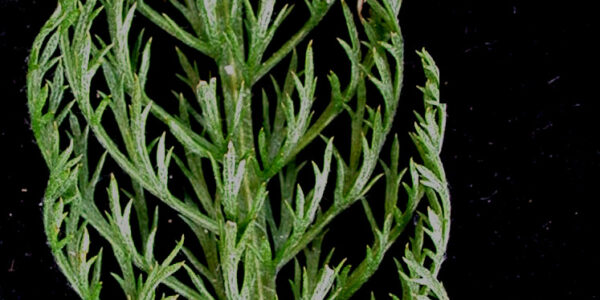
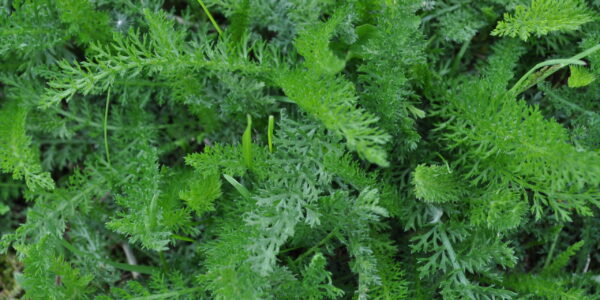
Run your fingers along the stem and leaves. Yarrow feels fuzzy – covered in fine white hairs that give it a soft, almost woolly texture. The leaves are feathery, delicate, fern-like. If it’s smooth and hairless? Not Yarrow. Walk away.
3. The Stem Inspection (Visual)
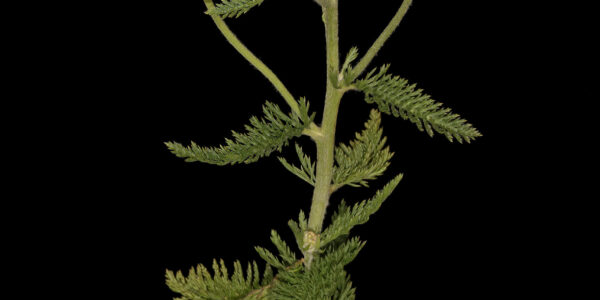
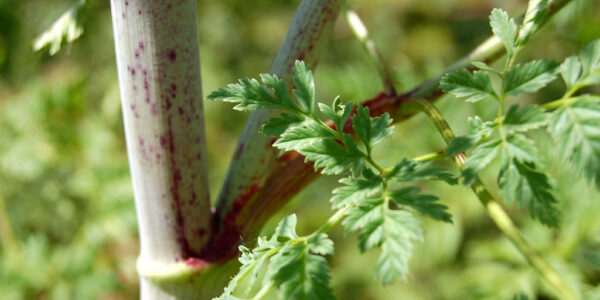
Look at the stalk. It should be solid green or yellowish-green, fibrous, sturdy. If you see purple splotches or what looks like bloodstains on a smooth stem, congratulations – you’ve found Poison Hemlock. Leave it for the next person who didn’t read this article.
PRIMARY MARKERS
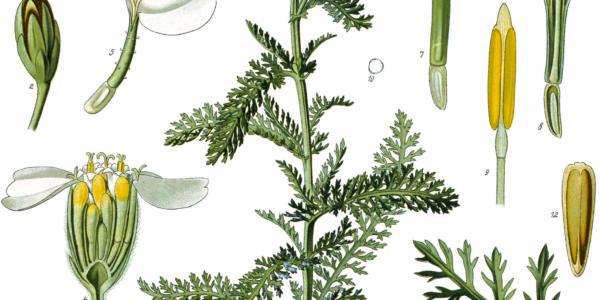
Leaves: Bi-pinnate (fancy botanist-speak for “feathery and complex”). The species name millefolium means “thousand-leaf” – an accurate description of how intricately divided these leaves are. Soft to the touch.
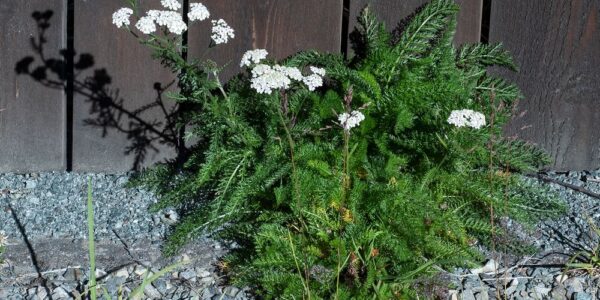
Stem: 1-3 feet tall, erect, distinctly hairy with fine white fuzz. Fibrous and tough – you can feel the strength in it.
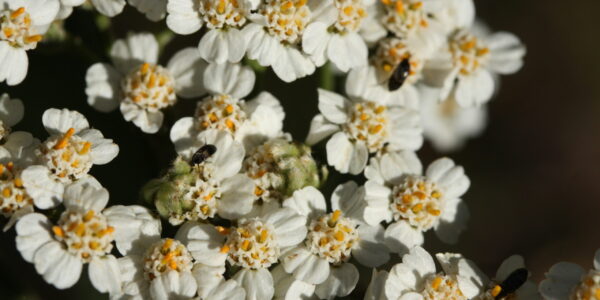
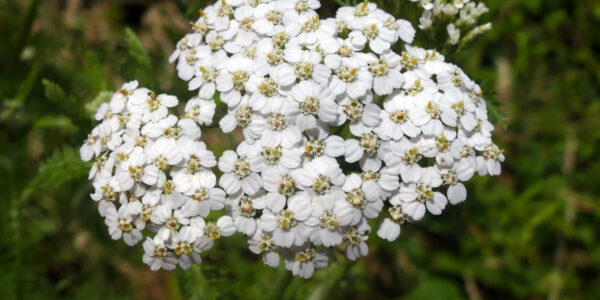
Flowers: Flat-topped clusters (technically corymbs, not true umbels, if you want to get pedantic about it) of tiny white or cream-colored florets. Sometimes pale pink if you get a fancy variety.
Habitat: Thrives in places other plants consider beneath them – disturbed soil, roadsides, abandoned lots, drought-prone areas. Zero maintenance required once established. My kind of plant.
TRADITIONAL APPLICATIONS
I’ll tell you what the historical record says, because I’m an herbalist, not a doctor, and I’m not making medical claims here.
External Use – “Stanchweed”
For centuries, people packed crushed fresh Yarrow into wounds to stop bleeding. Battlefields, homesteads, anywhere someone was bleeding and help wasn’t coming fast enough. The name “Soldier’s Woundwort” isn’t poetic license – it’s job description.
Internal Use – The Fever Breaker
Hot Yarrow tea (properly called an infusion) was used to “break a sweat” – induce perspiration to bring down fevers. Old herbals also mention it for digestive complaints, menstrual cramps, and what they delicately called “the flux.”
The Volatile Chemistry Note
When you make Yarrow tea, COVER IT while it steeps. The beneficial compounds are volatile oils – meaning they escape with the steam. If you steep it uncovered, you’re basically making expensive hot water with a bit of plant fiber. Waste of perfectly good Yarrow.
PREPARATION METHODS
Infusion (Tea)
- 1-2 teaspoons dried herb (or 2-4 teaspoons fresh) per cup of boiling water
- Steep COVERED for 10-15 minutes
- Strain and drink while hot (if you’re trying to break a fever) or let cool
Fresh Poultice
- Crush fresh leaves and flowers into a paste
- Apply directly to clean wound
- Bind with clean cloth
- Historical use only – I’m not telling you to treat injuries with plants instead of seeking medical care
Tincture (Alcohol Extract)
- Fresh herb: 1:2 ratio in high-proof alcohol (like Everclear)
- Dried herb: 1:5 ratio in 50% alcohol (vodka works)
- Macerate (fancy word for “let it sit”) for 4-6 weeks in a dark place
- Strain and bottle
- Shelf life: 5+ years if stored properly
Infused Oil / Salve
- Pack dried Yarrow into a jar, cover with olive oil
- Let sit for 2-4 weeks, shaking occasionally
- Strain oil, heat gently with beeswax (1 part wax to 4 parts oil)
- Pour into tins before it solidifies
- Traditional use for minor skin irritations
Vinegar Extract
- Dried herb in apple cider vinegar
- 2-4 week maceration
- Traditional digestive aid or topical wash
- Also useful if you want your medicine cabinet to smell like a salad bar
⚠️ THE DEADLY LOOK-ALIKE: HEMLOCK
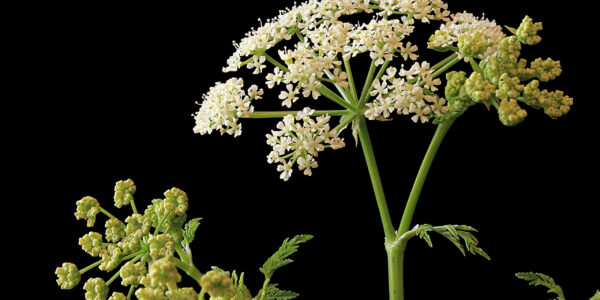
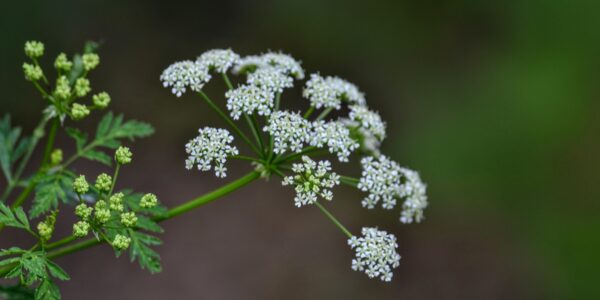
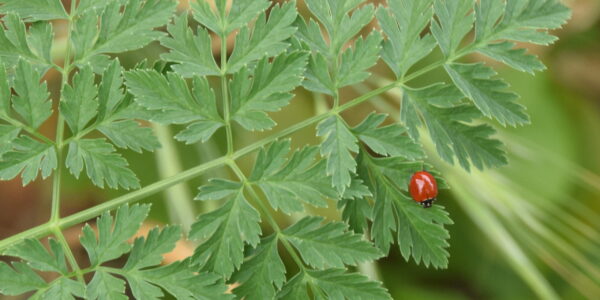
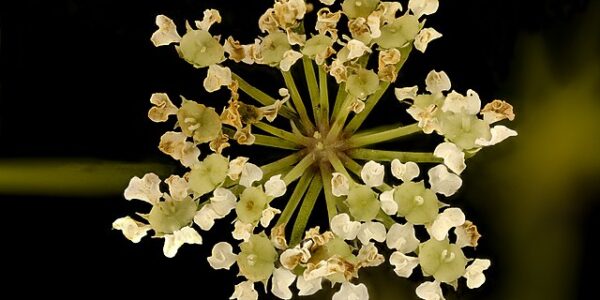
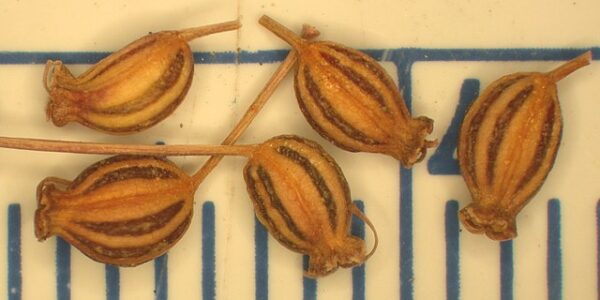
Here’s where we get serious. Yarrow’s feathery appearance and white flowers are mimicked by one of the most lethal plants in North America: Poison Hemlock (Conium maculatum) and Water Hemlock (Cicuta maculata).
How Poison Hemlock Kills You
It’s called “ascending paralysis” – your nervous system shuts down from the feet up. Your mind stays completely alert while your body stops responding. Respiratory failure follows. It’s how Socrates died, and it’s not a pleasant way to go. There is no antidote.
Hemlock Identification Markers
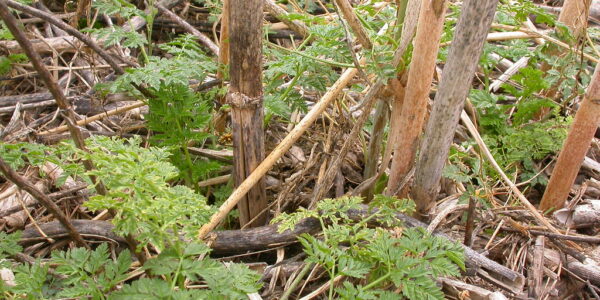
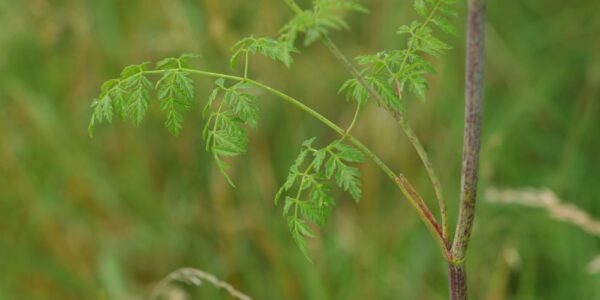
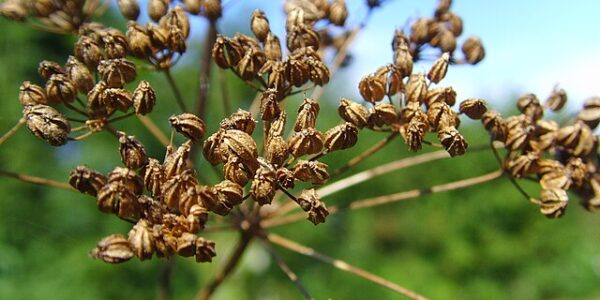
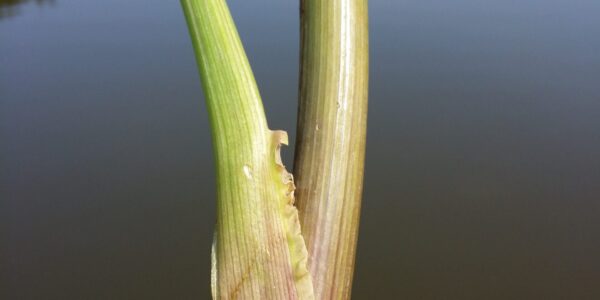
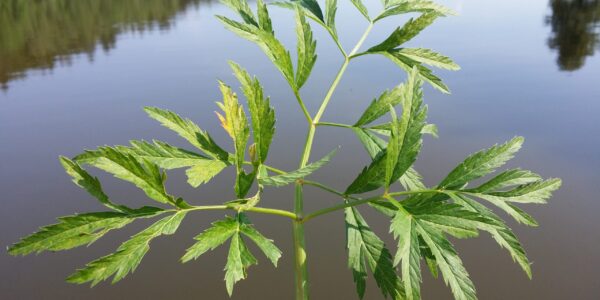
Stem: Smooth, hairless, hollow. Marked with purple or reddish splotches that look like bloodstains. This is your primary identification point – if you see these spots, DROP THE PLANT.
Scent: Smells mousy, musty, like old socks or a damp basement. Nothing clean or medicinal about it.
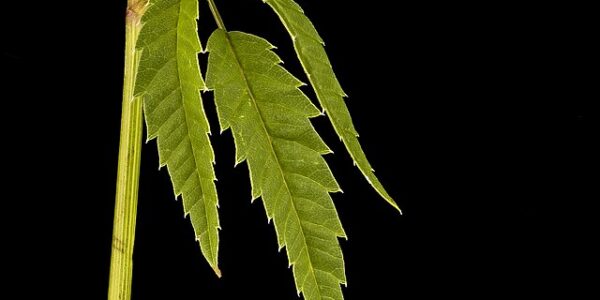
Leaves: More parsley-like than fern-like. Hairless, not fuzzy.
Habitat: Found in similar places as Yarrow, which is why the confusion happens.
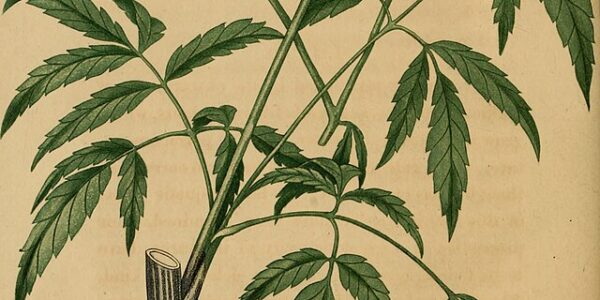
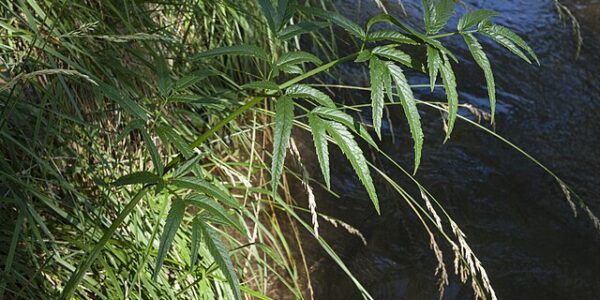
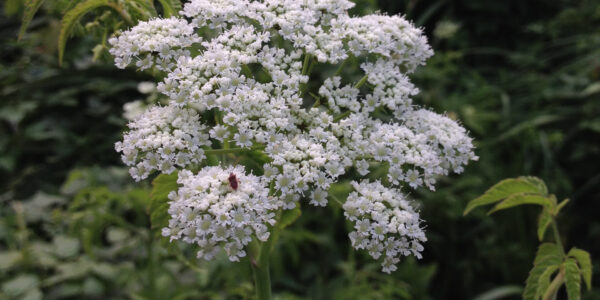
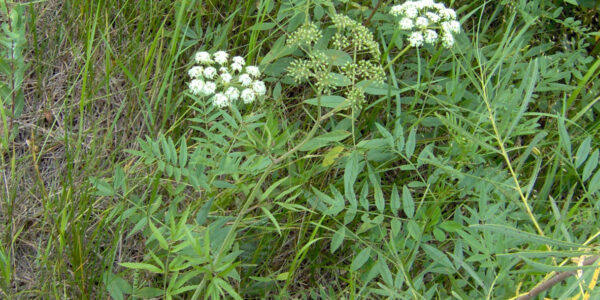
THE WET ZONE WARNING: Never harvest Yarrow-lookalikes near standing water, ditches, or marshes. That’s where Water Hemlock (Cicuta maculata) lives – and it’s even worse than Poison Hemlock. Water Hemlock contains cicutoxin, which causes immediate, violent grand mal seizures. It’s the most violently toxic plant in the Northern Hemisphere. If you uproot it, you’ll see chambered air pockets at the base that exude yellow, oily sap. If you see this, you’ve already gone too far.
COMPARISON TABLE
| Feature | Yarrow | Poison Hemlock | Water Hemlock |
|---|---|---|---|
| Stem | Fibrous, hairy, solid green | Smooth, hairless, purple-spotted | Smooth, chambered hollow base |
| Leaves | Feathery, fuzzy, fern-like | Parsley-like, hairless | Parsley-like, serrated |
| Scent | Clean, medicinal, camphor-like | Mousy, musty, unpleasant | Can smell like carrots/parsnips |
| Habitat | Dry, disturbed soil | Similar to Yarrow | Wet areas, marshes, ditches |
| Flowers | Flat-topped corymbs | True umbels | True umbels |
| Danger Level | Safe (when properly ID’d) | FATAL – neurotoxin | FATAL – most toxic plant in North America |
POISON HEMLOCK
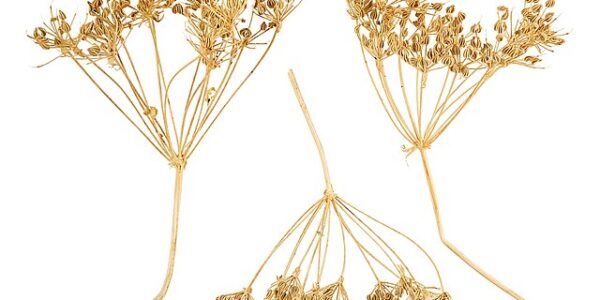
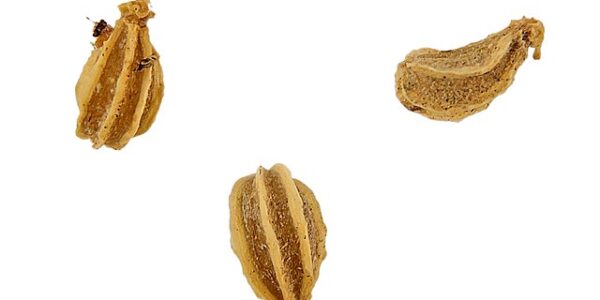
WATER HEMLOCK
GROWING YARROW
Once established, Yarrow is nearly indestructible. Drought-tolerant, cold-hardy, requires zero fertilizer. It’s a dynamic accumulator – pulls minerals from deep in the soil and makes them available to neighboring plants.
The downside? It spreads. Aggressively. Through underground runners. Plant it where you want it to stay, or be prepared to keep pulling it out of places it’s colonized.
Prefers full sun but tolerates partial shade. Tolerates poor soil. Basically, it tolerates everything except being fussed over.
SAFETY CONSIDERATIONS
Pregnancy: Absolutely not. Historical texts are very clear that Yarrow was used to stimulate uterine contractions. If you’re pregnant or trying to be, skip it entirely.
Allergies: If you’re allergic to ragweed, chrysanthemums, or anything else in the Asteraceae family, approach with caution. Cross-reactivity is a thing.
Photosensitivity: Some people develop a rash when handling Yarrow in bright sunlight. If you’re one of them, wear gloves or harvest in the shade.
Blood Thinners: If you’re on anticoagulant medications, talk to your doctor before using Yarrow internally. The name “Stanchweed” exists for a reason.
Duration: Not intended for long-term daily use. Traditional herbalism uses Yarrow acutely (short-term, when needed), not chronically.
FINAL NOTES
This is educational information based on historical use and traditional herbalism. I’m not a doctor. I’m not diagnosing, treating, or prescribing anything. If you’re bleeding heavily, running a dangerous fever, or otherwise in medical distress, seek professional medical care.
That said? Yarrow has earned its reputation over thousands of years. Learn to identify it correctly, respect its lookalikes, and you’ll have a powerful ally in your herbal toolkit.
For more information on toxic lookalikes, see the Deadly Doubles series. For detailed plant profiles, visit the Flora Archive.