
First In, Last Out
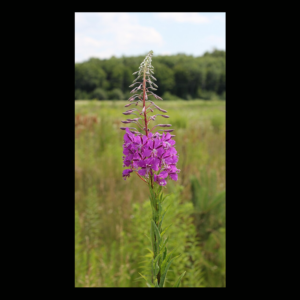
Fireweed is the plant that shows up after disaster. Forest fires, clearcuts, bulldozed land, volcanic eruptions – anywhere the ground has been scraped bare and scorched, Fireweed arrives first. Tall spikes of magenta-pink flowers that can carpet entire hillsides, turning devastation into beauty.
It’s edible, medicinal, makes excellent honey, and has been used by Indigenous peoples across the northern hemisphere for thousands of years. It’s also easy to identify once you know what to look for, though people sometimes confuse it with Purple Loosestrife (which is invasive and problematic).
Let’s talk about what makes Fireweed special, how to identify it, and why it earned its name.
WHAT IS FIREWEED?
Botanical Name: Chamerion angustifolium (formerly Epilobium angustifolium)
Common Names: Fireweed, Great Willow-herb, Rosebay Willowherb
Family: Onagraceae (Evening Primrose family)
Fireweed is a perennial herb native to temperate and boreal regions of the Northern Hemisphere. It’s called “fireweed” because it’s often the first plant to colonize burned areas – its seeds blow in on the wind, germinate in ash-enriched soil, and rapidly establish.
What It Looks Like:
- 3-6 feet tall (sometimes taller)
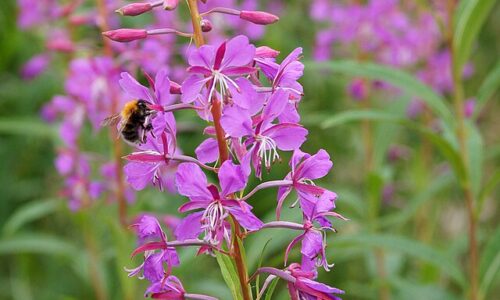
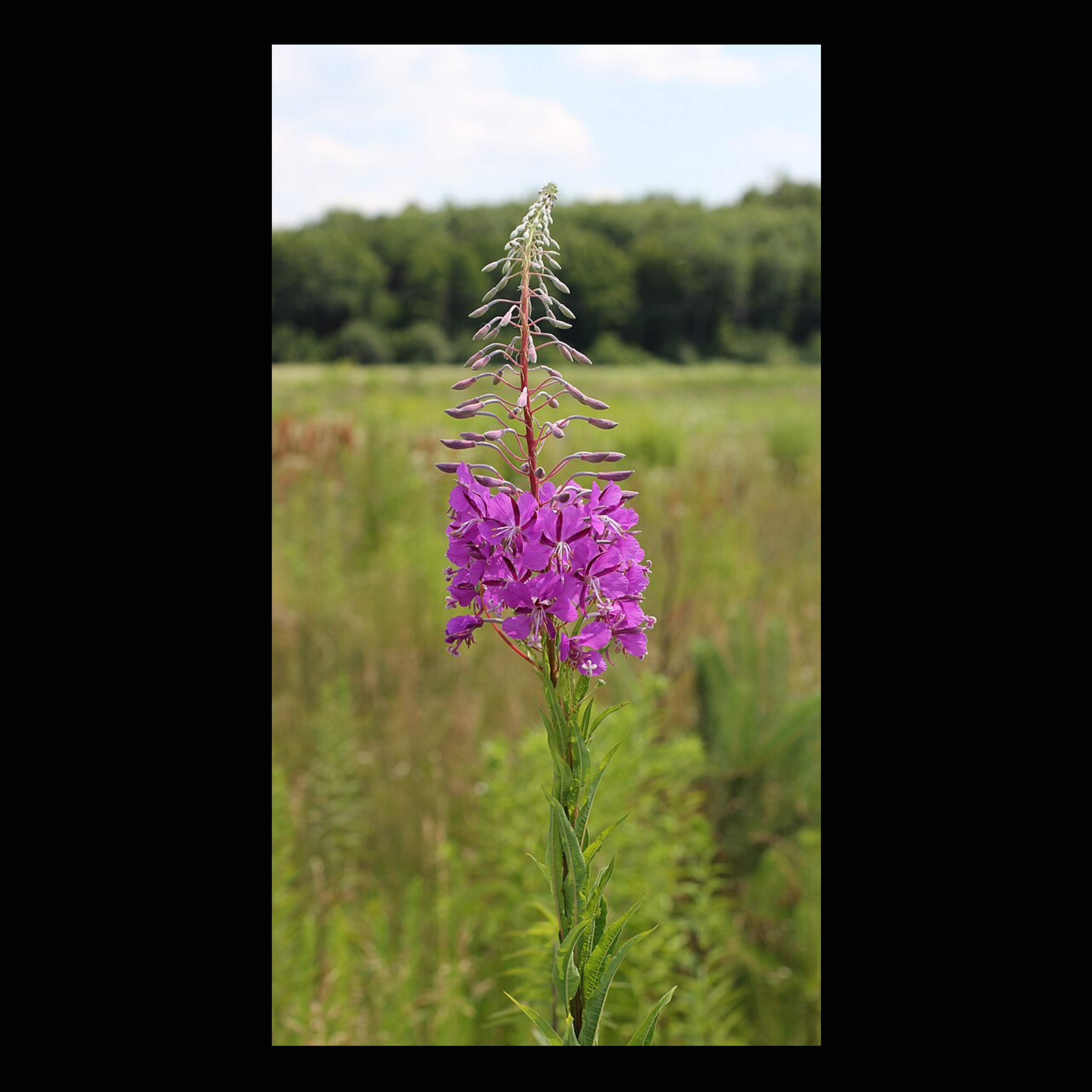
- Tall spike of showy pink-magenta flowers
- Willow-like leaves (hence “willow-herb”)
- Flowers bloom from bottom of spike upward
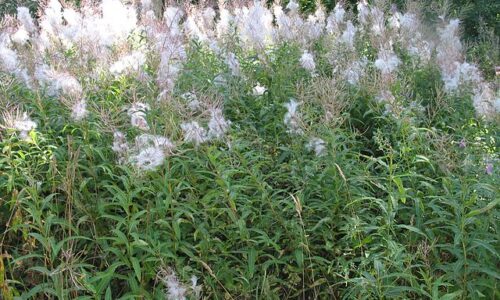
- Forms large colonies in open, disturbed areas
The Signature:
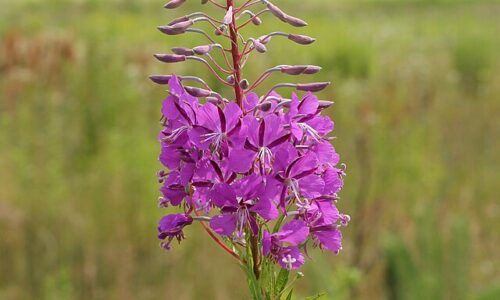
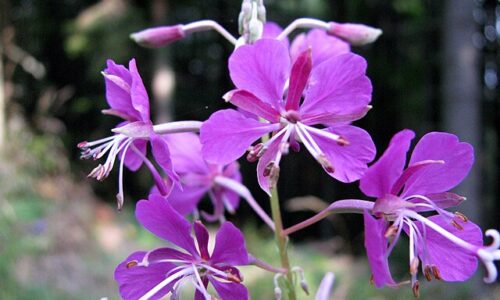
Long, narrow willow-like leaves and flowers with 4 petals (not 5-7 like Loosestrife).
IDENTIFICATION
THE FLOWERS:
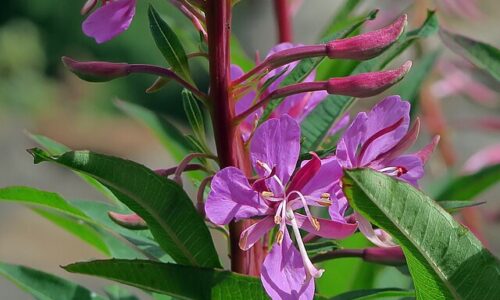
- 4 petals (this is key – count them!)
- Pink to magenta (occasionally white)
- Petals slightly notched at tip
- 1-2 inches across
- Arranged in long spike at top of plant
- Bloom progressively from bottom to top of spike
- 8 stamens (long, visible)
- Bloom June through September
THE LEAVES:
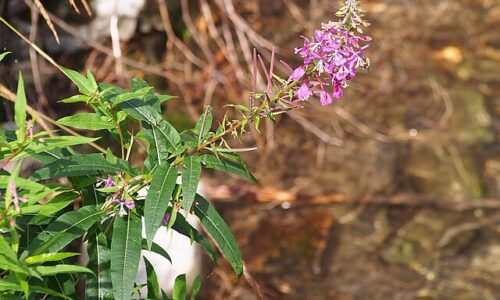
- Alternate arrangement (spiral up the stem, not opposite)
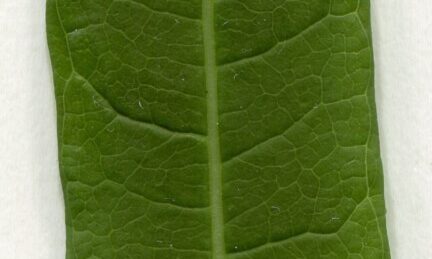
- Long, narrow, willow-like
- 2-8 inches long
- Smooth edges or very finely toothed
- Lance-shaped with pointed tips
- Prominent pale midrib
- Slightly grayish-green underneath
THE STEM:
- Round (not square)
- Smooth
- Reddish or purplish, especially toward top
- Upright, unbranched (usually)
THE SEEDPODS:
- Long, thin capsules (2-3 inches)
- Split open to release seeds
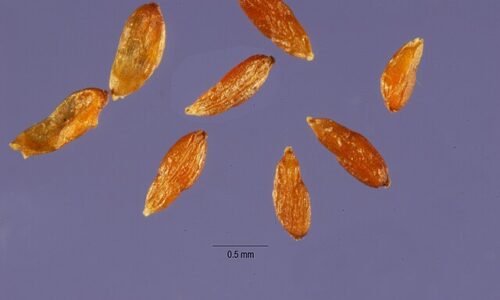
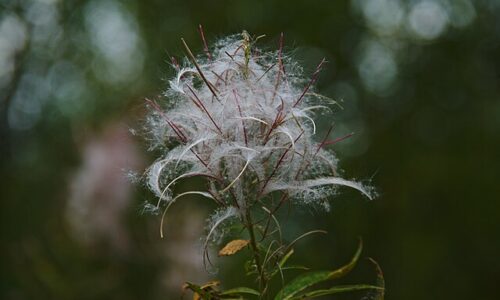
- Seeds attached to white, fluffy “parachutes” (like dandelion)
- Masses of fluffy seed heads in late summer/fall
THE HABITAT:
- Disturbed areas – burned forests, clearcuts, roadsides
- Avalanche chutes, stream banks
- Recently cleared land
- Anywhere soil has been disturbed
- Prefers full sun
- Often forms large colonies
FIREWEED VS. PURPLE LOOSESTRIFE
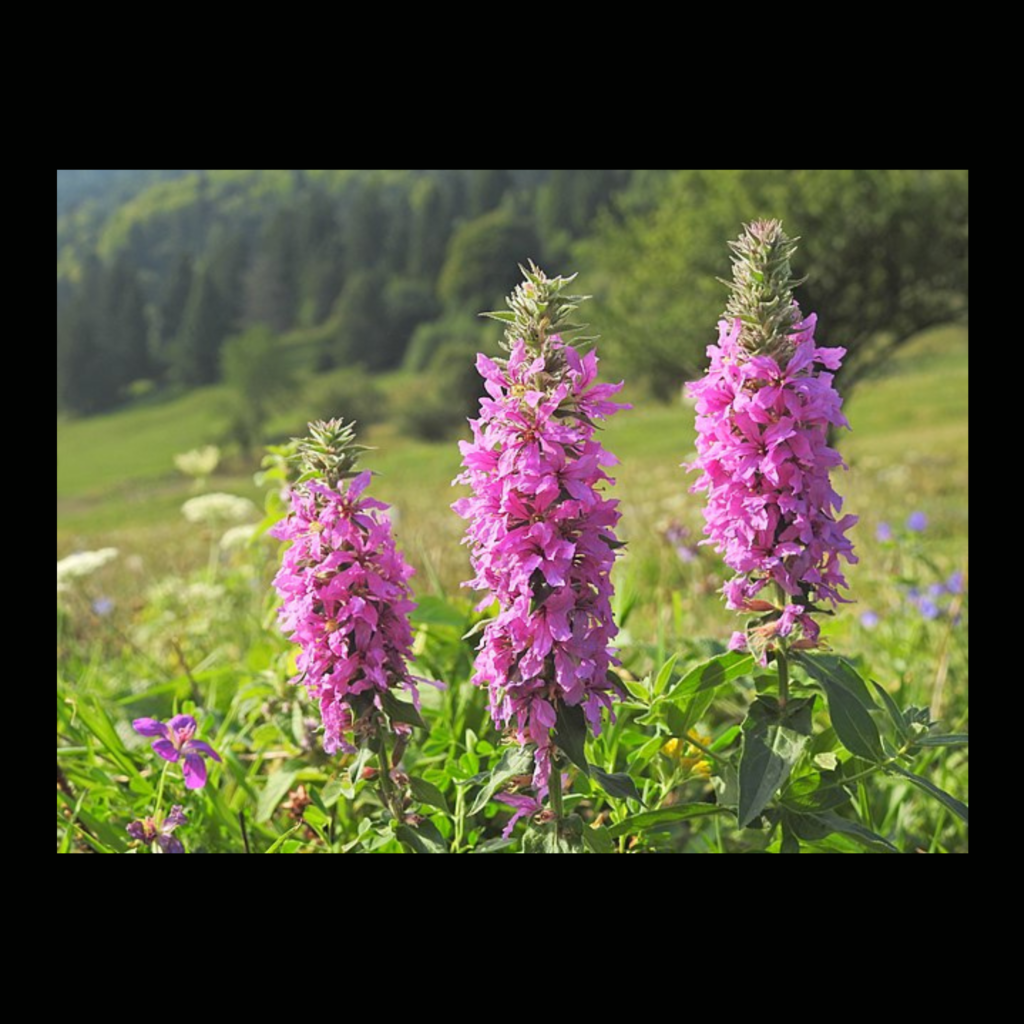
People confuse these two because both are tall with magenta flower spikes. Here’s how to tell them apart:
| Feature | FIREWEED | PURPLE LOOSESTRIFE |
|---|---|---|
| Petals | 4 petals | 5-7 petals (usually 6) |
| Leaves | Alternate, willow-like | Opposite or whorled, sessile |
| Leaf edges | Smooth or very fine teeth | Smooth |
| Stem | Round | Square to hexagonal |
| Habitat | Disturbed uplands | Wetlands, marshes |
| Native status | Native | INVASIVE |
| Leaf attachment | With short stalks | No stalks (sessile) |
The Quick Tests:
- Count petals: 4 = Fireweed, 5-7 = Loosestrife
- Check habitat: Dry disturbed land = Fireweed, Wetland = Loosestrife
- Feel stem: Round = Fireweed, Square/angular = Loosestrife
See full comparison: Deadly Doubles: The Purple Spike Trap
WHY IT’S CALLED FIREWEED
Fireweed is a pioneer species – one of the first plants to colonize bare, burned ground after fires.
How it works:
- Seeds are tiny and equipped with fluffy “parachutes”
- Wind carries seeds for miles
- Seeds land on bare, ash-enriched soil
- Germinate quickly
- Rapid growth (can reach 6 feet in one season)
- Form dense colonies
Ecological Role:
- Stabilizes soil after fires
- Prevents erosion
- Adds organic matter as it dies back
- Creates conditions for other plants to establish
- Eventually succeeded by slower-growing plants
- Part of natural forest regeneration
Historical Marker:
After major fires, you can estimate when the fire occurred by the stage of Fireweed growth. Fresh burn = no Fireweed yet. Dense Fireweed colonies = 1-3 years post-fire. Mixed vegetation = older.
Famous Example:
After the 1980 eruption of Mount St. Helens, Fireweed was one of the first plants to bloom in the blast zone, providing early nectar for returning pollinators.
WHERE TO FIND FIREWEED
Habitat:
- Burned forests (2-10 years post-fire)
- Clearcut areas
- Roadsides and railways
- Avalanche chutes
- Stream banks with disturbed soil
- Recently cleared land
- Edges of parking lots, construction sites
Season:
- Blooms mid-summer to early fall (June-September depending on elevation)
- Lower elevations bloom earlier
- Higher elevations bloom later
Distribution:
- Circumpolar – found across northern hemisphere
- North America: Alaska to California, across Canada, northern U.S.
- Also throughout Europe and Asia
- Prefers temperate to subarctic climates
Elevation:
- Sea level to alpine (very adaptable)
- Common along roadsides in mountain areas
EDIBILITY AND TRADITIONAL USES
Fireweed is edible – young shoots, leaves, and flowers have all been eaten traditionally.
YOUNG SHOOTS (Spring):
When: Early spring when shoots are 4-8 inches tall and tender
Preparation:
- Harvest like asparagus
- Peel outer layer if tough
- Steam, boil, or sauté
- Taste: Mild, slightly sweet, asparagus-like
Use: Spring vegetable, add to stir-fries, soups
YOUNG LEAVES:
When: Before flowering, while leaves are still tender
Preparation:
- Steam or boil (cooking improves palatability)
- Can be eaten raw in small amounts
- Taste: Mild when young, bitter when older
Use: Cooked green, similar to spinach
FLOWERS:
When: While blooming (summer)
Preparation:
- Eat raw
- Add to salads
- Garnish
- Make jelly or syrup
- Taste: Mildly sweet, slightly spicy
Use: Edible decoration, tea, jelly
PITH (Inner stem):
When: Before flowering
Preparation:
- Split stem and scrape out inner white pith
- Eat raw or cooked
- Taste: Sweet, crunchy
Traditional Indigenous use: Sweet trail snack
FIREWEED HONEY:
Where Fireweed grows abundantly, bees make Fireweed honey:
- Light color (water-white to light amber)
- Mild, delicate flavor
- Highly prized
- Produced commercially in Alaska, Yukon, parts of Canada
The Bitterness Issue:
Older Fireweed leaves become quite bitter and astringent due to tannin content. This isn’t dangerous, just unpalatable. Stick to young growth for food.
MEDICINAL USES (Traditional)
I’m not a doctor. This is historical and traditional information.
Fireweed has been used medicinally by Indigenous peoples and in European folk medicine:
Traditional Applications:
Wound Healing:
- Leaves applied as poultice to wounds, burns, bruises
- Contains compounds that promote healing
- Anti-inflammatory properties
Digestive Issues:
- Tea made from leaves for stomach upset, diarrhea
- High tannin content (astringent)
- Used for intestinal inflammation
Prostate Health:
- Traditional European use for prostate issues (BPH)
- Modern research shows some promise
- Contains compounds that may support prostate health
- Often sold as supplements in Europe (“Willow-herb extract”)
Skin Conditions:
- Topical application for eczema, psoriasis
- Wash for skin inflammation
- Anti-inflammatory and antimicrobial
Respiratory:
- Tea for coughs and throat irritation
- Soothing, mucilaginous properties when fresh
Active Constituents:
- Tannins (astringent)
- Flavonoids (anti-inflammatory, antioxidant)
- Mucilage (soothing)
- Oenothein B (studied for prostate health)
FIREWEED TEA:
Ingredients:
- 1-2 teaspoons dried Fireweed leaves/flowers
- 1 cup boiling water
Method:
- Place herb in cup
- Pour boiling water over
- Cover and steep 10-15 minutes
- Strain
Taste: Mild, slightly grassy, pleasant (not bitter like Blue Vervain)
Traditional dose: 1-3 cups daily
FERMENTED FIREWEED TEA (Koporye Tea):
In Russia, fermented Fireweed leaves are made into “Ivan Chai” or “Koporye tea”:
Process:
- Wilt fresh leaves
- Roll/bruise leaves
- Allow to ferment (oxidize) for several hours
- Dry thoroughly
Result: Tea similar to black tea but caffeine-free
This was a popular tea substitute in Russia before modern tea imports.
POULTICE (Topical):
For wounds, burns, skin inflammation:
Method:
- Crush fresh leaves or rehydrate dried
- Apply directly to affected area
- Cover with cloth
- Leave 20-30 minutes
- Repeat as needed
HARVESTING FIREWEED
When to Harvest:
For food (shoots): Early spring, when shoots are young and tender
For food (leaves): Spring to early summer, before flowering
For medicine: During flowering (summer)
How to Harvest:
- Cut aerial parts (leaves and flowers)
- Leave roots intact (plants will regrow)
- Take from abundant patches only
- Avoid roadsides (pollution)
- Mid-morning after dew dries
Drying:
- Hang in bundles or lay on screens
- Dry in warm, dark, well-ventilated area
- Store in airtight containers away from light
- Shelf life: 1-2 years
GROWING FIREWEED
From Seed:
- Seeds need light to germinate (don’t bury)
- Press lightly onto soil surface
- Keep moist
- Germinate quickly (1-2 weeks)
- Seeds remain viable for years in soil
From Plants:
- Spreads by rhizomes (underground stems)
- Can divide established plants
- Transplant rhizome sections with buds
Growing Conditions:
- Full sun
- Well-drained soil
- Tolerates poor soil
- Prefers slightly acidic soil
- Drought-tolerant once established
Garden Considerations:
- Can be aggressive – spreads by rhizomes and seed
- May take over garden beds
- Best in wild gardens or areas where spreading is acceptable
- Difficult to contain once established
- Beautiful but potentially invasive in garden settings
Why Grow It:
- Attracts pollinators (bees, butterflies, hummingbirds)
- Beautiful display
- Edible and medicinal
- Native plant in many areas
- Pioneer species for restoration projects
Why NOT Grow It:
- Spreads aggressively
- Hard to control
- Can become weedy
- Better appreciated in the wild than in formal gardens
FIREWEED AS INDICATOR
Succession Indicator:
Fireweed’s lifecycle tracks forest regeneration:
- Years 1-5 post-fire: Dense Fireweed
- Years 5-10: Fireweed declining, shrubs increasing
- Years 10-20: Forest regenerating, Fireweed mostly gone
- Mature forest: No Fireweed (needs disturbed, open areas)
Climate Indicator:
Fireweed bloom timing is used by some northern communities as a seasonal marker:
- Bloom indicates peak summer
- When Fireweed “goes to seed” (fluffy white seedheads), summer is ending
- Traditional signal to prepare for fall/winter
Old Saying:
“When the Fireweed blooms at the top, summer is over.”
FIREWEED FLUFF
Those fluffy white seedheads in late summer aren’t just pretty – they’re functional:
Historical Uses:
- Stuffing for pillows and mattresses (mixed with other materials)
- Insulation
- Fire starter (very flammable when dry)
- Candle wicks (some sources)
Modern Interest:
- Fiber artists experiment with spinning Fireweed fluff
- Not as good as cotton or wool but usable
- Very lightweight
CULTURAL SIGNIFICANCE
Indigenous Uses:
- Important food plant for many northern tribes
- Medicinal applications
- Young shoots eaten in spring
- Part of traditional ecological knowledge
Northern Culture:
- Official flower of Yukon Territory
- Featured in northern art and literature
- Symbol of resilience and renewal
- Associated with the beauty that follows destruction
Post-War Symbol:
- After WWII, Fireweed bloomed profusely in bombed areas of London
- Became symbol of resilience and recovery
- Still associated with renewal after destruction
FINAL THOUGHTS
Fireweed is a plant of contradictions: it’s both pioneer and placeholder, beautiful but temporary, aggressive yet beneficial. It shows up uninvited after disaster, transforms barren ground into magenta carpets, feeds pollinators when little else is blooming, then gradually steps aside as the forest returns.
It’s edible, medicinal, and makes exceptional honey. It’s a marker of ecological succession and seasonal change. And it’s a reminder that even after fire, life returns – often spectacularly.
Learn to identify those 4-petaled flowers and willow-like leaves. Know the difference between Fireweed (native, beneficial) and Purple Loosestrife (invasive, problematic). Appreciate Fireweed for what it is: nature’s first responder.
And if you ever see a hillside covered in magenta Fireweed, remember – you’re looking at the plant that arrived first, held the soil together, and made way for everything that comes after.
That’s worth something.
For look-alike information, see Purple Loosestrife in the Poison Index. For comparison post, see Deadly Doubles: The Purple Spike Trap. For other edible native plants, see the Flora Archive.