
The Spring Treasure Everyone’s Fighting Over
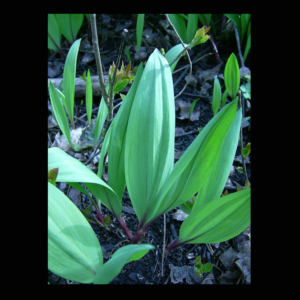
If you’ve spent any time around foragers in spring, you’ve heard the hype about ramps. People guard their ramp spots like state secrets. They call in sick to work when the conditions are right. They get into genuine arguments about sustainable harvesting. Restaurants charge premium prices for “ramp season” dishes.
All this fuss over a wild onion.
But here’s the thing: they’re worth it. Wild ramps are one of those foods that genuinely tastes better wild than anything cultivated. They’re also one of the first edible greens of spring, packed with nutrients after a long winter. And yes, they can be confused with plants that will kill you.
So let’s talk about how to find them, identify them safely, and harvest them without destroying the patch for future years.
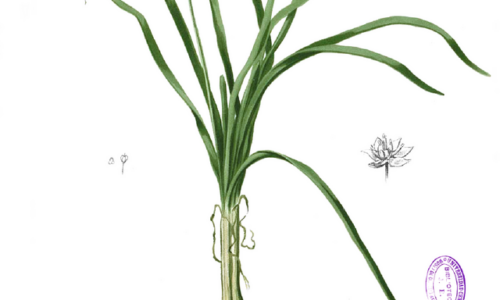
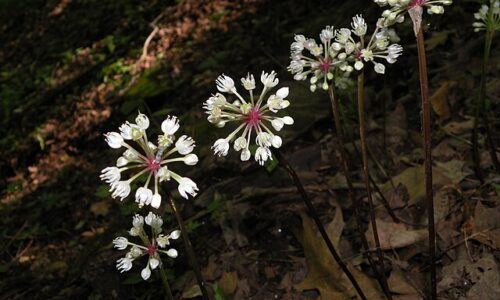
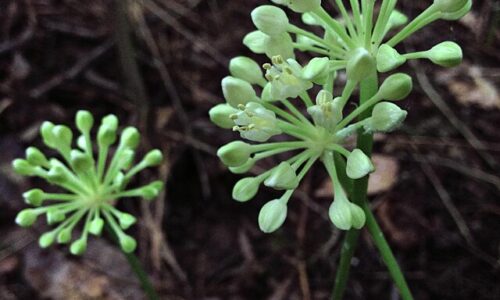
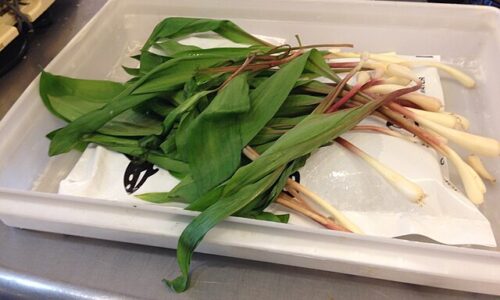
WHAT ARE WILD RAMPS?
Botanical Name: Allium tricoccum
Also Known As: Wild Leeks, Spring Onions, Ramsons (though true Ramsons are Allium ursinum, a European cousin)
Family: Amaryllidaceae (formerly Liliaceae)
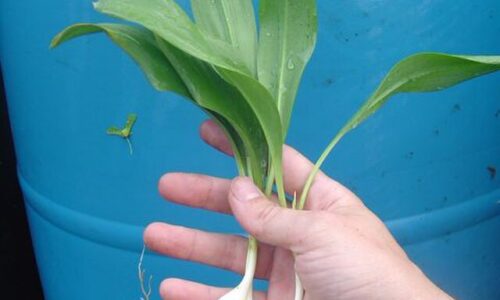
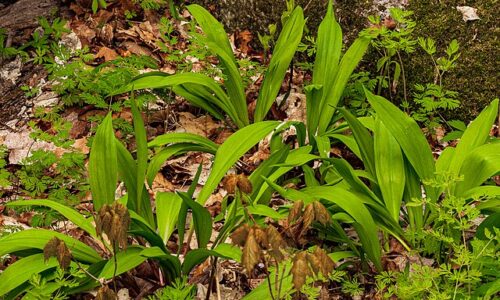
Wild ramps are native perennial plants in the onion family, found throughout eastern North America from Canada to the Carolinas. They’re slow-growing, taking 5-7 years from seed to harvestable size, which is why overharvesting is such a concern.
What They Look Like:
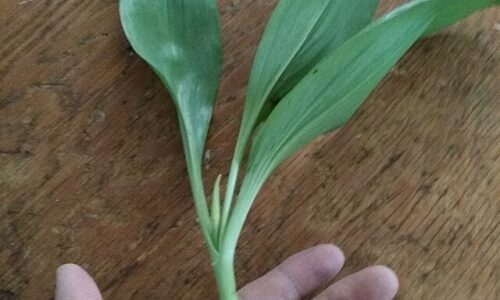
- 2-3 broad, smooth leaves per plant
- Lance-shaped to elliptical leaves
- Smooth, flat texture (NOT pleated or ribbed)
- Medium to dark green, often shiny
- Leaves emerge directly from underground bulb
- 4-12 inches tall when mature
The Signature Feature:
Purple, reddish, or burgundy coloring at the base of the leaf stems where they meet the bulb. This isn’t present on all ramps (some are entirely green), but when it’s there, it’s a great identification aid.
The Definitive Test:
SMELL. Crush or scratch a leaf. If it doesn’t smell strongly of garlic and onions, it’s NOT a ramp.
IDENTIFICATION: THE THREE-POINT CHECK
TEST 1: The Garlic Smell (CRITICAL)
This is your primary safety test and the easiest way to distinguish ramps from deadly look-alikes.
How to do it:
- Scratch the white bulb or crush a piece of leaf
- Smell it immediately
- You should get a STRONG, unmistakable garlic/onion smell
- The smell should make your eyes water if you get close enough
What it means:
- Strong garlic/onion smell = Ramps (safe)
- NO smell or slight “green plant” smell = NOT ramps (could be toxic)
- Floral or sweet smell = NOT ramps (possibly Lily of the Valley – toxic)
This test alone eliminates both deadly look-alikes. False Hellebore and Lily of the Valley do not smell like garlic. Ever. If there’s any doubt about the smell, don’t harvest.
TEST 2: The Leaf Texture
What to check:
- Run your fingers along the leaf surface
- Check both sides of the leaf
- Feel for ridges, pleats, or texture
Ramps have:
- Smooth, flat leaves
- No pleating or accordion-like ribbing
- Somewhat floppy, delicate texture
- Shiny surface
False Hellebore has:
- Deeply pleated leaves with parallel ridges
- Looks like corrugated cardboard or an accordion
- Much thicker, more robust leaves
- This is the giveaway – if it’s pleated, it’s NOT ramps
TEST 3: The Base Color (Helpful but Not Definitive)
What to check:
- Look where the leaf stems meet the ground/bulb
- Check for color variations
Ramps often have:
- Purple, burgundy, or reddish tint at the base
- This “blood-streak” is common but not universal
- Some ramps are entirely green
This is NOT definitive (some ramps lack this color), but when present, it’s a good confirmation along with the other tests.
BONUS TEST: The Seeds (Late Summer)
If you find a patch in late summer after the leaves have died back:
Ramps produce:
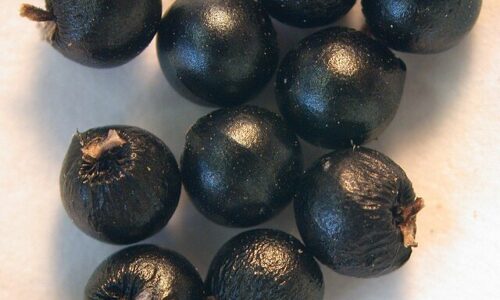
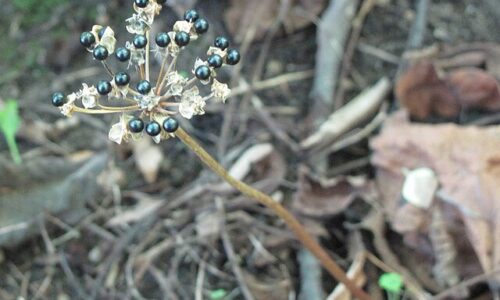
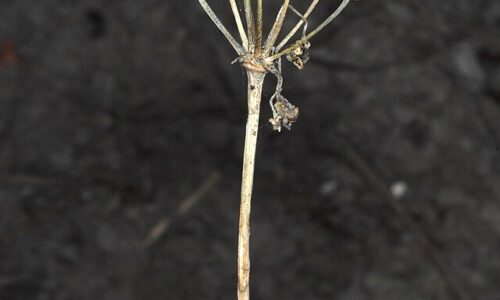
- Hard, glossy, jet-BLACK seeds
- About the size of peppercorns
- Appear on leafless stalks
- Called “black pearls” by foragers
Lily of the Valley produces:
- Bright RED or ORANGE berries
- Soft, fleshy, round
- Extremely toxic
If you see red/orange berries, it’s NOT ramps. It’s Lily of the Valley and it’s poisonous.
Marking ramp patches in late summer by their black seeds is a great way to know exactly where to look the following spring.
WHERE TO FIND WILD RAMPS
Habitat:
- Rich, moist deciduous woodlands
- North-facing slopes (cooler, moister)
- Areas with lots of leaf litter and organic matter
- Often growing with spring ephemeral wildflowers
- Near streams or in valleys
- Hardwood forests (maple, oak, poplar, beech)
When They Appear:
- Very early spring – often one of the first greens
- Timing varies by location:
- Appalachian South: Late February – March
- Mid-Atlantic: March – April
- Midwest/Northeast: April – May
- Canada: May – early June
Look for:
- Large patches forming a carpet of green
- Growing in colonies (ramps grow in communities)
- Areas that warm up early in spring
- Spots where snow melts first
Distribution:
Eastern North America, from Quebec and Ontario south to Georgia and Tennessee. Most abundant in the Appalachian mountains.
THE DEADLY LOOK-ALIKES
Wild ramps look similar to two toxic plants when young. Learn these differences – your life depends on it.
FALSE HELLEBORE (Veratrum viride) – TOXIC
How it differs from ramps:
| Feature | WILD RAMPS | FALSE HELLEBORE |
|---|---|---|
| Scent | STRONG garlic/onion | None or slightly unpleasant |
| Leaves | Smooth, flat | PLEATED/RIBBED (accordion texture) |
| Stem base | Often purple/red | Green, thick |
| Bulb | White, onion-like | Thick rhizome, no bulb |
| Habitat | Well-drained woods | Often in WET areas, seeps |
The giveaway: Those pleated, accordion-like leaves. If you see deep parallel ridges in the leaves, it’s NOT ramps.
How it poisons you:
- Contains veratrum alkaloids
- Causes violent vomiting and diarrhea (often saves people by expelling the toxin)
- Slows heart rate dangerously
- Can cause respiratory depression
- Can be fatal
See the full profile: False Hellebore in the Poison Index
LILY OF THE VALLEY (Convallaria majalis) – TOXIC
How it differs from ramps:
| Feature | WILD RAMPS | LILY OF THE VALLEY |
|---|---|---|
| Scent | STRONG garlic/onion | None or slightly sweet/floral |
| Leaves | Smooth, somewhat floppy | Smooth but RUBBERY, thicker |
| Leaf arrangement | 1-3 leaves per plant | Often appear in PAIRS |
| Stem base | Often purple/red | Green, no color variation |
| Bulb | White bulb | Spreading rhizome, no bulb |
| Berries (summer) | BLACK seeds | RED/ORANGE berries (toxic) |
The giveaway:
- NO garlic smell (ramps smell strongly of garlic)
- Rubbery, tougher leaf texture
- Red berries in summer (ramps have black seeds)
How it poisons you:
- Contains cardiac glycosides (like Digitalis)
- Causes heart arrhythmias
- Can cause heart attack
- Nausea, vomiting, confusion
- Can be fatal
See the full profile: Lily of the Valley in the Poison Index
Side-by-Side Comparison
For a detailed look-alike comparison with photos and field identification tips, see: Deadly Doubles: The Emerald Deception
THE IDENTIFICATION PROTOCOL
When you find plants you think are ramps:
STEP 1: Check the Habitat
- Rich woodland soil? → Good sign
- Very wet, seepy area? → More likely False Hellebore, be cautious
STEP 2: The Smell Test (MANDATORY)
- Scratch or crush a small piece of leaf
- Strong garlic/onion smell? → Probably ramps, proceed to next test
- No smell, floral smell, or other smell? → NOT ramps, walk away
STEP 3: The Texture Test
- Feel the leaves on both sides
- Smooth and flat? → Could be ramps or Lily of the Valley, continue testing
- Pleated/ribbed? → False Hellebore, STOP, do not harvest
STEP 4: The Base Color (if present)
- Look at leaf stems near the ground
- Purple/burgundy color? → Good confirmation for ramps
- All green? → Doesn’t rule out ramps (some are all green)
STEP 5: The Bulb Check (if still uncertain)
- Gently dig around ONE plant
- White bulb like a small onion? → Ramps
- Thick rhizome, no bulb? → NOT ramps
IF ALL TESTS PASS: Harvest sustainably
IF ANY TEST FAILS OR YOU’RE UNCERTAIN: Leave it alone
THE OVERHARVESTING PROBLEM
Here’s the uncomfortable truth: wild ramps are being loved to death.
Why ramps are vulnerable:
- Take 5-7 years to reach harvestable size from seed
- Slow-growing
- Can’t tolerate heavy harvest pressure
- Patches can be wiped out in a single season by overzealous foragers
- Commercial harvesting has decimated populations in some areas
Some jurisdictions have responded:
- Quebec: Ramps harvesting is ILLEGAL (protected species)
- Great Smoky Mountains National Park: Harvesting prohibited
- Many states: Regulations on commercial harvest
- Some areas: Complete harvest bans
The tension: Ramps are culturally significant (Appalachian heritage, traditional spring food) and economically valuable (restaurants pay premium prices). But they’re disappearing from areas where they were once abundant.
SUSTAINABLE HARVESTING GUIDELINES
If you’re going to harvest ramps, do it responsibly:
BEST PRACTICE: Leaf-Only Harvest
Method:
- Take only ONE leaf per plant
- Leave the bulb and remaining leaves
- The plant can regrow
- You can return to the same patch in future years
Advantage:
- Sustainable
- Doesn’t kill the plant
- Allows population to persist
Disadvantage:
- Less flavorful than bulbs
- Requires more plants to get a meal
IF HARVESTING BULBS:
Rules:
- Only harvest from LARGE patches (50+ plants minimum)
- Take no more than 5-10% of the patch
- Spread harvest across the patch (don’t clear one area)
- Leave smaller, younger plants
- Harvest every 2-3 years from the same patch, not annually
Method:
- Use a digging tool (trowel, hori-hori)
- Dig carefully to avoid disturbing neighboring plants
- Harvest the bulb with roots
- Fill in the hole
THE REALITY CHECK:
If you find a small patch (less than 20-30 plants), the responsible thing is to leave it alone. Small patches are vulnerable and unlikely to withstand even modest harvest pressure.
Consider:
- Is this patch in an area where other foragers will find it?
- Have I seen ramps harvested here before?
- How important is this meal compared to preserving this patch for the future?
ALTERNATIVES TO WILD HARVESTING:
- Buy from responsible commercial growers
- Transplant to your property (take a few plants from a large patch, grow them out)
- Grow from seed (slow but sustainable)
- Support ramps cultivation rather than wild harvest
CULINARY USES
So what do you actually DO with ramps once you’ve harvested them responsibly?
Flavor Profile:
- Garlic + onions + leeks combined
- Pungent when raw
- Milder and sweeter when cooked
- The bulbs are strongest
- Leaves are milder
How to Use:
BULBS:
- Pickle them (classic preservation method)
- Roast or grill whole
- Sauté with butter
- Add to scrambled eggs
- Chop into potato dishes
LEAVES:
- Use like spinach or leeks
- Sauté as a side dish
- Add to soups and stews
- Make ramps pesto
- Chop into salads (use sparingly – they’re strong)
WHOLE PLANT:
- Clean thoroughly (they grow in soil, can be gritty)
- Separate bulbs from leaves if desired
- Use bulbs for stronger flavor, leaves for milder
PRESERVATION:
Pickling (most popular):
- Quick pickle: vinegar, salt, sugar
- Fermented pickle: salt brine
- Shelf-stable for months
Freezing:
- Chop and freeze in oil (ice cube trays)
- Make pesto and freeze in portions
- Blanch leaves and freeze
Drying:
- Loses much of the flavor
- Not recommended for ramps
Infusing:
- Ramps-infused vinegar
- Ramps compound butter
NUTRITIONAL VALUE
Ramps are more than just tasty – they’re nutritious:
- Vitamin A (important after winter)
- Vitamin C (traditional spring tonic, anti-scurvy)
- Minerals: Iron, calcium, selenium
- Organosulfur compounds (like garlic – antimicrobial properties)
Traditional Use:
Native Americans and Appalachian settlers used ramps as a spring tonic – the first fresh food after a long winter of stored provisions. The vitamins and minerals helped combat deficiencies after months without fresh vegetables.
Modern Science:
The organosulfur compounds in ramps (like in garlic) have demonstrated:
- Antimicrobial properties
- Antioxidant effects
- Potential cardiovascular benefits
But let’s be honest – people don’t eat ramps for health. They eat them because they’re delicious.
THE RAMPS CULTURE
Ramps have a cultural significance beyond their culinary value:
Appalachian Tradition:
- Historical food source for mountain communities
- Spring festivals celebrating ramps season
- Family traditions of foraging and cooking together
- Economic importance (selling at farmers markets)
Ramps Festivals:
- Held throughout Appalachia every spring
- Community gatherings
- Ramps dinners, cook-offs
- Celebrating the end of winter
The Secrecy:
Ask someone where they got their ramps and you’ll get vague answers. Ramps spots are family secrets passed down through generations. This isn’t just paranoia – it’s resource protection. Tell everyone where the ramps are, and they’ll be gone next year.
The Gentrification Problem:
As ramps became fashionable in upscale restaurants, commercial harvesting increased. This has created tension:
- Traditional foragers watching “their” patches disappear
- Commercial harvesters stripping entire hillsides
- Restaurants paying premium prices driving demand
- Wealthy urban foragers traveling to rural areas
It’s complicated.
GROWING YOUR OWN
Want ramps without the ethical dilemma? Grow them yourself.
From Seed:
- Collect black seeds in late summer from existing patches
- Plant immediately (don’t let them dry out)
- Seeds need cold stratification (winter cold)
- Germination takes 6-18 months
- Plants take 5-7 years to reach harvest size
- This is the slow but sustainable way
From Bulbs:
- Take a few bulbs (5-10) from a large, healthy patch
- Transplant to your property immediately
- Plant in rich, moist soil with lots of organic matter
- Partial to full shade
- Give them time to establish
- After 2-3 years, you can begin modest harvest
Growing Conditions:
- Rich, moist, well-drained soil
- Shade to partial shade
- Lots of leaf litter and organic matter
- Hardwood forest conditions (or mimic them)
- Northern or eastern exposure
Patience Required:
Ramps are not a quick crop. If you plant seeds today, you’re looking at 2031 at the earliest before you harvest anything. But once established, you’ll have ramps for generations.
THE BLACK PEARL MARKER
Here’s a forager’s trick: in late summer (July-August), go back to the woods where you think ramps grow.
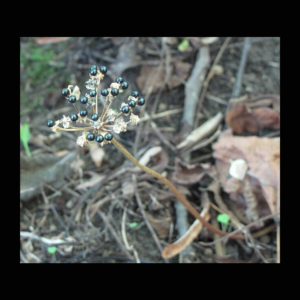
The leaves will be gone. But the seed stalks remain – bare stalks with clusters of hard, black seeds at the top. These “ghost stalks” mark exactly where the ramps are.
What to look for:
- Leafless stalks 4-12 inches tall
- Topped with clusters of small black seeds
- Hard seeds (like peppercorns)
- Often in same areas where spring ephemeral flowers grew
Why this matters:
- You can mark ramps patches for next spring
- You can collect seeds for planting
- You can distinguish from Lily of the Valley (which has red berries, not black seeds)
Red berries in late summer = Lily of the Valley (toxic)
Black seeds in late summer = Ramps (safe)
This is your confirmation that you’ve correctly identified ramps and can return next spring.
FINAL THOUGHTS
Wild ramps sit at the intersection of delicious food, cultural tradition, ecological sustainability, and conservation ethics. They’re worth seeking out. They’re worth learning to identify correctly. They’re worth the effort to harvest responsibly.
But they’re also worth leaving alone sometimes.
If you find a small patch, take a photo and walk away. If you find a large patch, take a small amount and leave the rest. If you’re unsure about identification, don’t harvest. If the patch looks stressed or overharvested, skip it.
The goal isn’t just to eat ramps this year – it’s to ensure there are ramps for next year, and the year after that, and for your grandchildren to find in the same woods.
Learn the identification cold. Master the smell test. Know your look-alikes. Harvest sustainably or not at all. And when in doubt, remember:
No garlic smell = Not ramps = Don’t eat it.
That simple rule will keep you alive. Everything else is details.
For look-alike comparisons, see Deadly Doubles: The Emerald Deception. For toxic plant information, see False Hellebore and Lily of the Valley in the Poison Index. For other wild edibles, see the Flora Archive.